


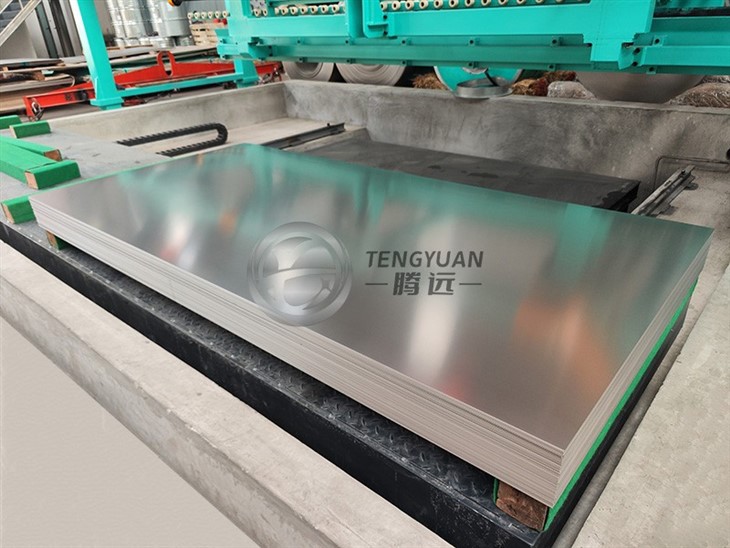
GR12 Titanium Plates for Ships – Seawater Equipment Fabrication
Plate Dimensions: Thickness 0.5–50 mm and width up to 2,000 mm. Length and dimensional tolerances are agreed with the order.
Manufacturing Route: Plate rolling or coil-and-strip rolling, depending on the required dimensions and delivery form.
Surface Options: Pickled or bright finish.
Marine Use: Plate material for seawater-handling equipment, heat-exchanger components and fabricated marine assemblies, subject to design requirements.
Standards: ASTM B265 GR12 or GB/T 3621 TA10, as specified in the purchase documents.
Packing: Arranged for the plate size, shipment and customer handling requirements.
Minimum Order: 1,000 kg. Pricing is based on plate dimensions, delivery condition and purchase quantity.
Marine Exposure Is More Than Open Seawater
A shipboard component may encounter seawater beneath a gasket, inside a narrow joint or under accumulated deposits. These local conditions can differ from those at an openly exposed surface. Temperature, restricted circulation and crevice geometry all matter when choosing the material.
GR12 contains small additions of molybdenum and nickel that improve resistance to crevice corrosion in hot chloride environments compared with unalloyed titanium. This makes it a candidate for marine equipment where the service conditions call for more than the general seawater resistance of commercially pure grades.
Plate for Fabricated Equipment
Our GR12 plates are supplied as material for subsequent cutting, forming and joining. Potential uses aboard ships include plate components in seawater cooling equipment, desalination units and other assemblies with wetted titanium surfaces.
Thickness should follow the component drawing and applicable design rules. Selecting GR12 does not, by itself, establish a pressure rating, operating depth or suitability for primary hull construction.
Define the Finished Component Before Ordering
For flat parts, specify the finished dimensions and allowances needed for cutting or machining. Where the plate will be formed, include the bend geometry and required delivery condition. Welded assemblies should identify the joining requirements and any inspection needed after fabrication.
Pickled and bright surfaces are available. If a sealing face, bonded interface or other functional area requires a defined roughness, state the acceptance value separately.
Purchase Requirements
The order should identify the material standard and edition, dimensions, tolerances and inspection documents. Mechanical acceptance values are established against that specification and the supplied condition.
For equipment combining titanium with other metals, the design should also address electrical contact and galvanic corrosion of the adjoining materials. Service life and weight savings depend on the completed equipment, its operating conditions and the material being replaced.
GR12 Titanium Plates for Ships FAQ
When should GR12 be considered instead of GR2 for seawater equipment?
GR12 is worth evaluating where hot chloride exposure and crevice conditions influence material selection. Its molybdenum and nickel additions can improve resistance to crevice attack compared with unalloyed titanium. Provide the operating temperature, water chemistry and joint configuration so the grade can be assessed for the actual component.
What information is needed for plate installed beneath gaskets or seals?
Include the gasket material, contact geometry, operating temperature and whether liquid can remain trapped during shutdown. Describe any deposits or restricted flow around the connection. These local conditions help determine whether available corrosion data represent the service environment.
Can GR12 plate be used for a pressure-retaining marine component?
It can be considered where the applicable design rules permit it. The equipment designer must establish thickness, allowable stresses, joint details and inspection requirements. Provide the relevant code and any classification-society requirements at enquiry stage so the material supply can be reviewed against them.
What should I check when replacing a steel or copper-nickel part with GR12?
Review the complete component, including loads, stiffness, mating surfaces, joining methods and contact with other metals. A material change may require different dimensions or connection details. Confirm the replacement design before using the existing part's measurements as the plate purchase specification.
Which plate dimensions matter most before forming or machining?
Specify thickness and its tolerance, blank length and width, and the allowances needed for the finished geometry. For formed parts, include bend radii and the required material condition. For machined sealing faces, identify the final roughness and minimum remaining thickness.
What documents should accompany a shipboard GR12 plate order?
State the required material certificate, chemical analysis, mechanical test results and any additional examination. If a surveyor or independent inspector must attend testing, identify the inspection stages before production. Documentation should link the supplied plate to the applicable heat or batch and purchase requirements.
Hot Tags: GR12 Titanium Plates for Ships – Seawater Equipment Fabrication, China GR12 Titanium Plates for Ships – Seawater Equipment Fabrication manufacturers, suppliers, factory
You Might Also Like




Send Inquiry