

GR2 titanium material (industrial pure titanium) is widely used in various highly corrosive environments in the chemical industry due to its excellent corrosion resistance, high specific strength, and processing performance. The following are typical application cases and technical analysis:

GR2 titanium material is used to resist the corrosion of H2S-HCl-H2O composite medium in the condensing cooling system at the top of the atmospheric and vacuum distillation tower in the refinery. For example, Japan has been using titanium materials to solve the problem of low-temperature corrosion in high sulfur crude oil processing since 1955, while the Amuay refinery in the United States has replaced copper alloy tubes in more than 60 heat exchangers with titanium tubes, significantly improving the service life of equipment in saltwater cooling and H2S containing oil and gas environments. Titanium materials are not only resistant to hydrogen sulfide stress corrosion cracking (SSCC) in such environments, but also avoid scaling problems and reduce cleaning frequency.
2. Core equipment of chlor alkali industry
The chlor alkali industry is one of the largest application areas for GR2 titanium materials, involving key processes such as chlorine gas production and wet chlorine cooling. For example, in titanium wet chlorine coolers, chlorine gas scrubbers, and ion membrane electrolyzers, GR2 titanium material replaces traditional stainless steel and copper alloys with excellent corrosion resistance to wet chlorine gas (containing Cl ⁻, HCl), and the equipment life can reach more than 30 years. According to statistics, titanium equipment accounts for about 25% of the chlor alkali industry, significantly reducing the risk of downtime caused by corrosion.
In the soda ash industry, GR2 titanium material is used in equipment such as crystallization external coolers and distillation tower top ammonia condensers. These devices are exposed to ammonium chloride mother liquor and high-temperature ammonia medium for a long time, and traditional materials are prone to pitting and crevice corrosion. However, GR2 titanium material can fully withstand ammonium chloride deposition below 93 ℃, and alloys such as TiCode12 need to be used in high-temperature environments. Domestic companies such as Dahua Alkali Factory have upgraded their titanium equipment, extending the lifespan of heat exchangers from 1-2 years for carbon steel to over 15 years.
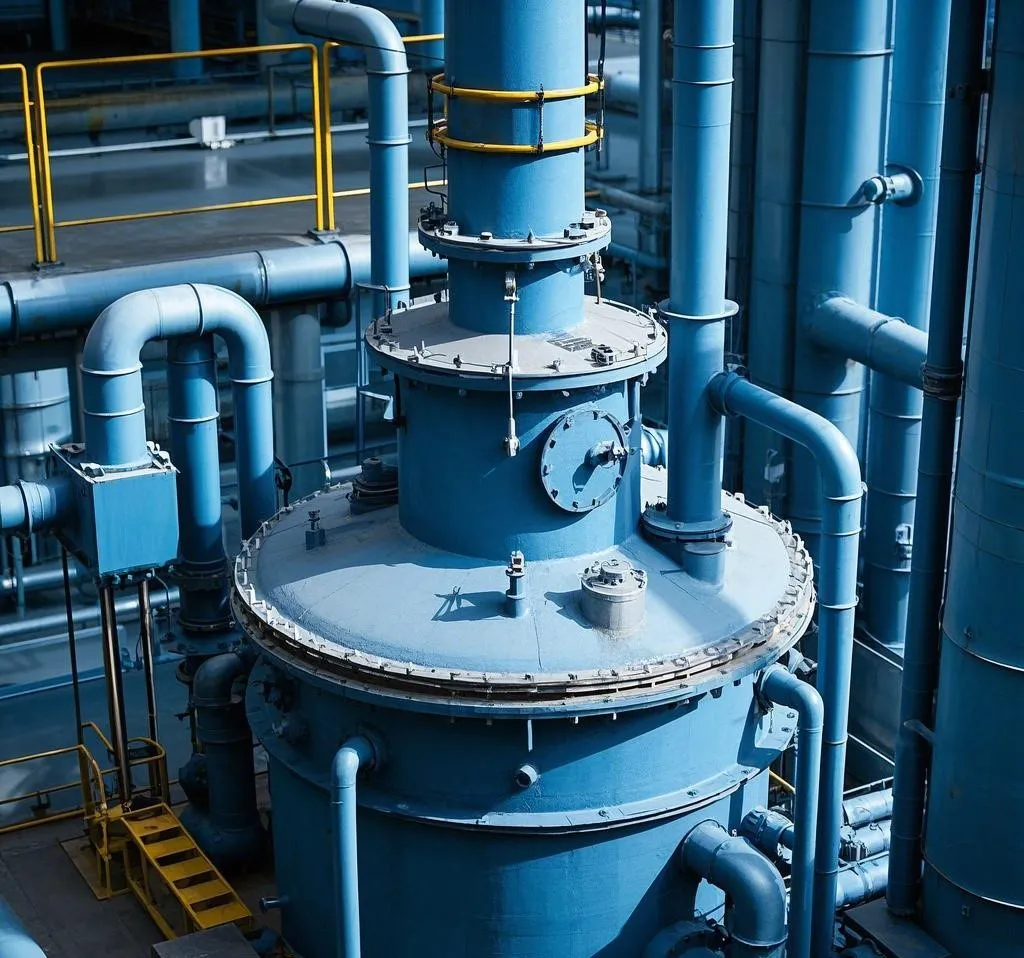
4. Seawater cooling and sewage treatment
Coastal refineries often use seawater as a cooling medium, and GR2 titanium material exhibits almost zero corrosion to seawater, brackish water, and wastewater within the temperature range of 113-121 ℃. About 50% of heat exchangers in Japanese refining companies use seawater cooling, and GR2 titanium pipes are widely used in equipment such as power plant condensers and acid water coolers. In addition, the titanium equipment in the sewage reuse system reduces water treatment costs while meeting environmental regulations.
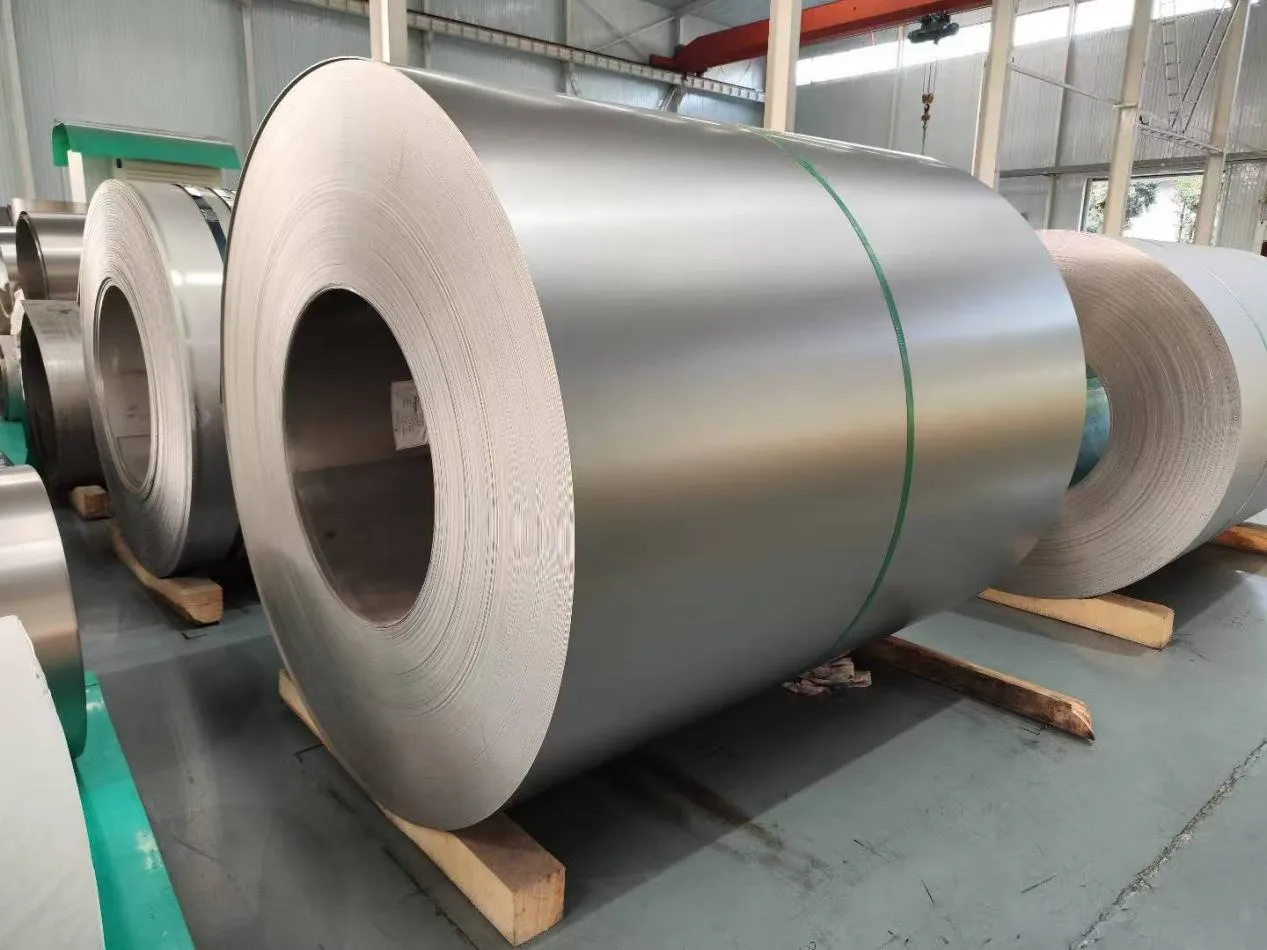
In the production of epichlorohydrin (PO), GR2 titanium material is used to treat highly corrosive media such as liquid chlorine and propylene. In the reactor of Mal Biopharmaceutical Company in Russia, the corrosion rate of titanium alloy equipment in complex media such as chloroform and acetone is less than 0.1 mm/a, significantly better than enamel equipment. In addition, titanium materials also exhibit excellent stability in equipment such as nitric acid evaporators and acetic acid distillation reactors.
Technical optimization and challenges
Attention should be paid to the risk of hydrogen embrittlement in high temperature (>230 ℃) environments for GR2 titanium materials. The oxide film should be enhanced by anodizing treatment or surface passivation (such as nitric acid hydrofluoric acid pickling) to prevent micro battery effects caused by iron pollution. Despite the high initial investment, its long lifespan and low maintenance costs result in significant overall benefits, making it particularly suitable for high sulfur, high chlorine, and complex medium environments. In the future, with the increasing demand for processing high sulfur crude oil, the application of GR2 titanium materials in refining, new energy and other fields will be further expanded.