


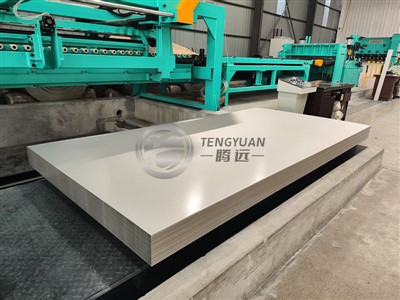
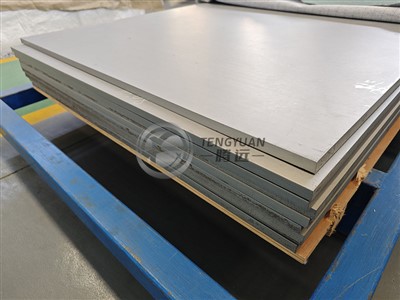
GR12 Titanium Plates for Chemical Processing Equipment
Size Range: 0.5–50 mm thick, up to 2,000 mm wide. Length and tolerances to order.
Production: Rolled plate or material produced through a coil-and-strip rolling route, according to the required specification.
Finish: Pickled or bright, with additional surface acceptance criteria agreed where needed.
Intended Fabrication: Chemical equipment linings, vessel components and heat-transfer assemblies, following material selection for the actual process.
Order Basis: ASTM B265 or GB/T 3621, with the grade, edition and delivery condition identified.
Commercial Terms: Minimum quantity 1,000 kg. Packing and quotations are arranged against the plate dimensions and order requirements.
GR12 for the Process Side
The liquid inside chemical equipment determines the material requirement. A plate exposed to a circulating process solution may face different conditions during shutdown, cleaning or concentration changes.
GR12 is a titanium alloy containing nominal additions of 0.3% molybdenum and 0.8% nickel. These additions extend its usefulness beyond unalloyed titanium in certain hot chloride and mildly reducing environments. Its resistance to crevice attack is particularly relevant where equipment contains narrow gaps or retained liquid.
Identify Every Exposure
A material enquiry is more useful when it describes the complete operating cycle:
During production - identify the chemicals, concentrations, impurities and normal and maximum temperatures.
During cleaning - include cleaning agents and exposure times. Compatibility with the process liquid does not automatically establish compatibility with the cleaning solution.
During idle periods - consider residual liquid, deposits and locations where drainage is incomplete.
GR12 is not universally resistant to hydrochloric or sulfuric acid. Where published data do not represent the actual mixture, corrosion testing or specialist assessment may be needed.
From Plate to Wetted Component
Plate can be selected for fabricated vessel sections, internal linings and heat-exchanger components. Each use brings different requirements: a lining depends on its attachment and joint details, while a pressure-retaining section requires thickness and mechanical acceptance values established by the equipment design.
Drawings should distinguish the ordered plate size from the finished component dimensions. Forming allowances, weld preparation and functional surface requirements can then be included in the purchase specification.
We quote against the agreed material and inspection requirements. Please provide the equipment duty or a process datasheet alongside the dimensions so that the supply requirements can be reviewed before production.
GR12 Titanium Plates for Chemical Equipment FAQ
Is GR12 suitable for equipment handling several different chemicals?
Assess every stage in which chemicals contact the plate, including production, cleaning and standby. A material suitable for one solution may respond differently to a mixture or cleaning residue. Provide the chemical compositions, concentration ranges, temperatures and contact durations so the complete exposure can be reviewed.
Can GR12 plate be specified for hydrochloric or sulfuric acid?
Selection requires data for the actual acid concentration, temperature and impurities. Oxidizing species and other constituents can substantially affect titanium's behaviour. Submit the process composition for assessment and identify any representative corrosion testing needed before confirming the material.
Why does the metal temperature matter in a heat exchanger?
The plate surface can operate at a different temperature from the bulk process liquid. Heating, evaporation and deposits may also alter conditions close to the surface. Include temperatures on both sides of the heat-transfer component and any expected concentration changes when defining the service requirements.
What changes when the plate is used as a lining?
A lining forms the process-contact surface within a supported construction. Its attachment, seams, openings and transitions need to accommodate the equipment geometry and operating conditions. State the backing material, joining arrangement and inspection requirements so the plate supply can be matched to the lining design.
How should I specify corrosion testing for a new process mixture?
Agree the test solution, temperature, duration, specimen condition and acceptance criteria with the responsible materials engineer. Where crevices or deposits are expected, the test arrangement should represent those features. Identify how the results will be used to approve the proposed material.
What information helps produce an accurate GR12 plate quotation?
Provide the material standard, grade, thickness, blank dimensions and quantity. Add the delivery condition, forming or machining allowances, surface requirements and inspection documents. For chemical equipment, include the process datasheet and any applicable pressure-equipment requirements.
Hot Tags: GR12 Titanium Plates for Chemical Processing Equipment, China GR12 Titanium Plates for Chemical Processing Equipment manufacturers, suppliers, factory
You Might Also Like




Send Inquiry