As a supplier of GR1 Titanium Welding Wire, I often encounter questions from customers about the performance of our product, especially whether it is easy to break during welding. In this blog, I will delve into this issue, combining scientific knowledge and practical experience to provide a comprehensive answer.

Understanding GR1 Titanium Welding Wire
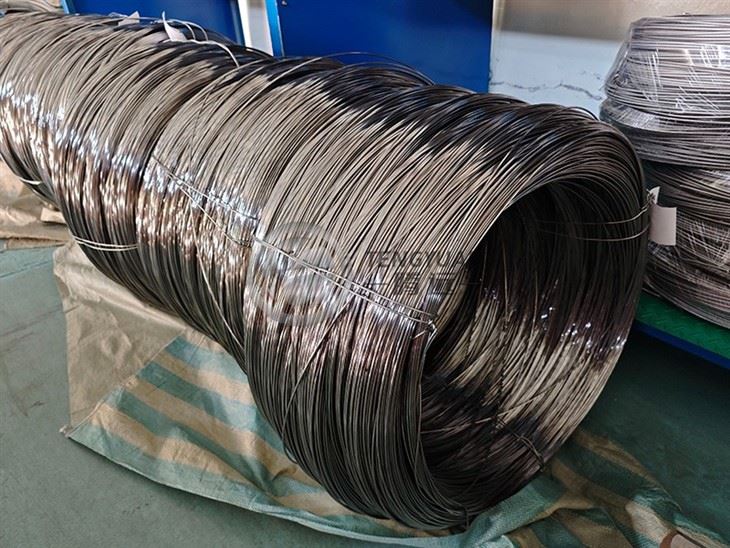
GR1 Titanium Welding Wire is a type of industrial pure titanium wire with excellent corrosion resistance, low density, and high strength - to - weight ratio. It is widely used in various industries such as aerospace, chemical engineering, and marine engineering for welding titanium components. You can learn more about GR1 Titanium Wire on our website.
Factors Affecting the Breakage of GR1 Titanium Welding Wire during Welding
1. Material Properties
GR1 titanium has relatively high ductility and toughness compared to some other titanium alloys. In theory, it should not break easily during normal welding processes. Its chemical composition, mainly composed of pure titanium with a small amount of impurities, gives it a stable atomic structure that can withstand the stress generated during welding. However, if the wire has inclusions or defects during the manufacturing process, it may increase the risk of breakage.
2. Welding Parameters
- Current and Voltage: Incorrect welding current and voltage settings can have a significant impact on the wire. If the current is too high, the wire will melt too quickly, causing excessive heat input. This can lead to thermal stress and may cause the wire to break. On the other hand, if the current is too low, the wire may not melt properly, resulting in poor fusion and potential breakage due to insufficient bonding.
- Welding Speed: A very high welding speed can cause the wire to experience sudden stress changes. The wire may not have enough time to fully melt and integrate with the base metal, leading to breakage. Conversely, a very slow welding speed can over - heat the wire and the surrounding area, also increasing the risk of breakage.
3. Welding Environment
- Shielding Gas: Titanium is highly reactive with oxygen, nitrogen, and hydrogen at high temperatures. Therefore, proper shielding gas is crucial during welding. If the shielding gas is not pure enough or the shielding is not effective, the wire can react with the surrounding atmosphere, forming brittle compounds on its surface. These compounds can reduce the ductility of the wire and make it more prone to breakage.
- Contamination: Any contamination on the wire surface, such as oil, dirt, or rust, can affect the welding quality. Contaminants can change the chemical properties of the wire and cause uneven melting, which may lead to breakage.
4. Handling and Storage
- Physical Damage: Rough handling of the wire before welding, such as bending it too sharply or dropping it, can create micro - cracks on the wire surface. These micro - cracks can propagate during welding and eventually lead to breakage.
- Storage Conditions: If the wire is stored in a humid or corrosive environment, it may corrode over time. Corrosion can weaken the wire's structure and increase the likelihood of breakage during welding.
Preventive Measures to Avoid Wire Breakage
1. Quality Control of the Wire
As a supplier, we implement strict quality control measures during the manufacturing process. We use advanced inspection techniques to detect any inclusions or defects in the wire. For example, non - destructive testing methods such as ultrasonic testing and X - ray inspection are used to ensure the internal quality of the wire. By providing high - quality wire, we can minimize the risk of breakage caused by manufacturing defects.
2. Optimal Welding Parameter Settings
- Calibration: Welding equipment should be regularly calibrated to ensure accurate current, voltage, and speed settings. Welders should follow the recommended welding parameters provided by the wire manufacturer. For GR1 Titanium Welding Wire, the typical welding current ranges from [X] to [Y] amperes, and the voltage should be maintained between [A] and [B] volts, depending on the thickness of the base metal and the welding process.
- Testing: Before starting a large - scale welding project, it is advisable to conduct test welds with different parameter settings. This allows the welder to find the optimal parameters for the specific application and reduces the risk of wire breakage.
3. Proper Welding Environment
- Shielding Gas Management: Use high - purity argon as the shielding gas. The purity of the argon should be at least 99.99%. Ensure that the shielding gas flow rate is appropriate, usually between [M] and [N] liters per minute, to provide effective protection for the wire and the weld pool.
- Cleanliness: Keep the welding area clean. Clean the wire surface before welding using a suitable cleaning agent to remove any contaminants. The base metal should also be cleaned to ensure good fusion.
4. Correct Handling and Storage
- Gentle Handling: Train workers to handle the wire gently. Avoid sharp bending or rough treatment of the wire. When unwinding the wire from the spool, do it slowly and steadily to prevent any damage.
- Proper Storage: Store the wire in a dry and clean environment. Keep it in a sealed container or a humidity - controlled storage room to prevent corrosion.
Comparison with GR2 Titanium Welding Wire
GR2 Titanium Welding Wire is another commonly used industrial pure titanium welding wire. Compared with GR1, GR2 has a slightly higher strength due to a slightly higher content of impurities. In terms of breakage during welding, GR2 may be more resistant to breakage under certain high - stress welding conditions because of its higher strength. However, the general principles of preventing breakage, such as proper welding parameters, shielding gas, and handling, are similar for both GR1 and GR2 Titanium Wire.
Conclusion
In general, GR1 Titanium Welding Wire is not easy to break during welding if the manufacturing quality is good, the welding parameters are properly set, and the welding environment is well - controlled. By understanding the factors that can affect wire breakage and taking appropriate preventive measures, we can ensure a smooth and successful welding process.
If you are interested in purchasing our GR1 Titanium Welding Wire or have any further questions about its performance and application, please feel free to contact us for a detailed discussion. We are committed to providing high - quality products and professional technical support to meet your welding needs.
References
- ASM Handbook, Volume 6: Welding, Brazing, and Soldering. ASM International.
- Welding Metallurgy of Titanium Alloys. Various research papers from academic journals in the field of materials science and welding engineering.