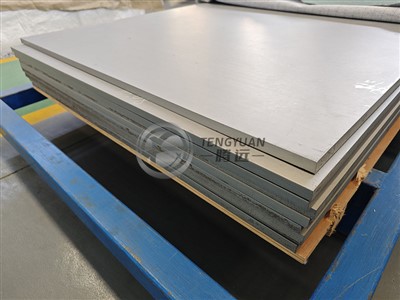
Hey there! As a supplier of GR2 Titanium Welding Wire, I'm super excited to take you through the production processes of this amazing product. Titanium welding wire, especially GR2, is widely used in various industries due to its excellent corrosion resistance, high strength - to - weight ratio, and good weldability. So, let's dive right in!
Raw Material Selection
The first step in making GR2 Titanium Welding Wire is choosing the right raw materials. GR2 titanium is an unalloyed titanium grade, which means it's mainly made up of pure titanium with a small amount of impurities. We source high - quality titanium sponge, which is the primary raw material for titanium production. This sponge is produced through the Kroll process, where titanium tetrachloride is reduced by magnesium.

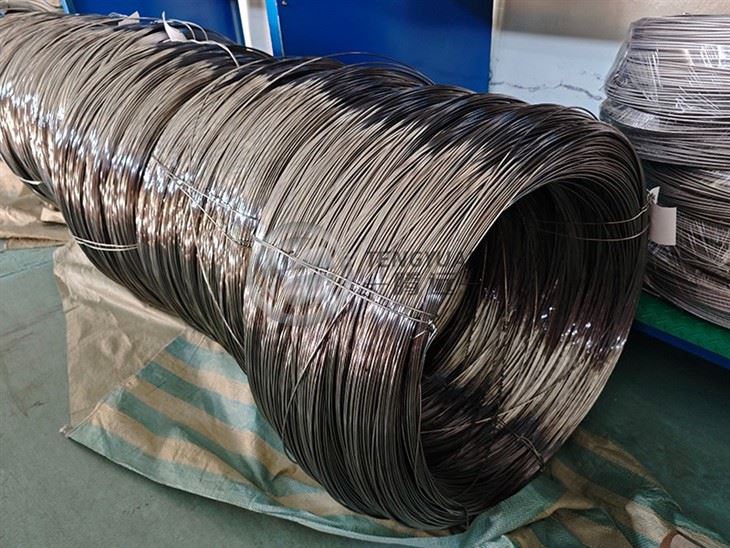
The quality of the titanium sponge is crucial as it directly affects the properties of the final welding wire. We carefully inspect the chemical composition of the sponge to ensure it meets the strict standards for GR2 titanium. The key elements we look at include iron, oxygen, carbon, nitrogen, and hydrogen. For example, the iron content should be less than 0.3%, and the oxygen content should be within a specific range to maintain the wire's ductility and strength.
Melting and Ingot Formation
Once we have the right raw materials, it's time to melt them. We use a vacuum arc remelting (VAR) furnace for this process. The titanium sponge is placed in the furnace, and an electric arc is struck between the electrode and the titanium. The high - temperature arc melts the titanium, and the molten metal is collected in a water - cooled copper crucible.
The VAR process is carried out in a vacuum environment to prevent contamination from oxygen, nitrogen, and other gases. This is important because even a small amount of contamination can significantly affect the properties of the titanium. During melting, the impurities in the titanium sponge are removed, and the chemical composition is further refined.
After the melting process, the molten titanium solidifies into an ingot. The ingot is then subjected to non - destructive testing, such as ultrasonic testing, to check for any internal defects like porosity or cracks. If any defects are found, the ingot may be remelted or discarded.
Forging and Rolling
The next stage is forging and rolling the ingot into a more workable shape. Forging involves using a hammer or a press to apply high - pressure forces to the ingot. This process helps to break down the large grains in the ingot and improve its mechanical properties. The forging is usually done at elevated temperatures to make the titanium more malleable.
After forging, the titanium is rolled into a bar. Rolling is a process where the titanium is passed through a series of rollers to reduce its thickness and increase its length. The rolling process is carefully controlled to ensure the bar has a uniform cross - section and good surface finish. The temperature, speed, and reduction ratio during rolling are all important parameters that need to be optimized.
Wire Drawing
Once we have the titanium bar, it's time to draw it into wire. Wire drawing is a multi - step process that involves pulling the bar through a series of dies with progressively smaller diameters. Each die reduces the diameter of the wire and increases its length.
Before the wire drawing process, the bar is usually annealed to relieve any internal stresses and make it more ductile. Annealing is a heat - treatment process where the titanium is heated to a specific temperature and then slowly cooled. This helps to recrystallize the grains in the titanium and improve its formability.
During wire drawing, lubricants are used to reduce friction between the wire and the dies. This not only helps to prevent damage to the wire but also improves the surface finish. The wire is drawn through the dies at a controlled speed to ensure a uniform reduction in diameter.
Surface Treatment
After wire drawing, the GR2 Titanium Welding Wire undergoes surface treatment. This is an important step to improve the wire's corrosion resistance and weldability. One common surface treatment method is pickling. Pickling involves immersing the wire in an acid solution to remove any oxide layers or contaminants on the surface.
Another surface treatment option is coating. We can apply a thin layer of a special coating to the wire to protect it from oxidation and improve its handling characteristics. The coating can also help to reduce spatter during the welding process.
Quality Control
Throughout the entire production process, quality control is of utmost importance. We have a team of experienced quality control engineers who use a variety of testing methods to ensure the GR2 Titanium Welding Wire meets the highest standards.
Some of the tests we perform include chemical analysis, mechanical property testing, and weldability testing. Chemical analysis is done using techniques like spectrometry to verify the chemical composition of the wire. Mechanical property testing includes tensile testing, hardness testing, and bend testing to check the wire's strength, ductility, and flexibility. Weldability testing involves welding the wire under specific conditions and evaluating the quality of the weld.
Packaging and Storage
Once the GR2 Titanium Welding Wire passes all the quality control tests, it's time to package it. We use high - quality packaging materials to protect the wire during transportation and storage. The wire is usually wound onto spools or coils and then placed in sealed containers.
Proper storage is also crucial to maintain the quality of the wire. The wire should be stored in a dry, cool environment to prevent corrosion. We recommend storing the wire at a temperature below 25°C and a relative humidity below 60%.
Conclusion
Well, that's the entire production process of GR2 Titanium Welding Wire from start to finish. As you can see, it's a complex and carefully controlled process that requires a lot of expertise and attention to detail.
If you're in the market for high - quality GR2 Titanium Welding Wire, or if you're interested in our other products like GR1 Titanium Welding Wire, GR1 Titanium Wire, or GR2 Titanium Wire, don't hesitate to reach out. We're always ready to have a chat about your specific needs and provide you with the best solutions. Whether you're in the aerospace, automotive, or chemical industry, our GR2 Titanium Welding Wire can meet your requirements. So, let's start a conversation and see how we can work together!
References
- ASM Handbook, Volume 2: Properties and Selection: Nonferrous Alloys and Special - Purpose Materials.
- Titanium: A Technical Guide, Second Edition by John C. Williams.
- Welding Metallurgy and Weldability of Stainless Steels and Other Alloys by John C. Lippold and David J. Kotecki.