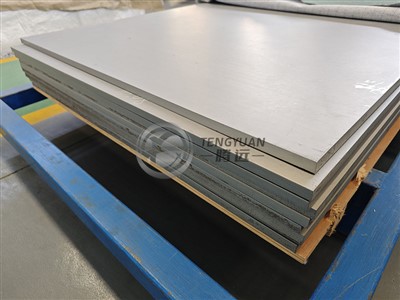
Hey there! As a supplier of GR5 Titanium Plates, I often get asked about the source of raw materials for these plates. So, I thought I'd write a blog post to share some insights on this topic.
First off, let's talk a bit about GR5 Titanium Plates. GR5 Titanium Plates, also known as Ti-6Al-4V, are one of the most widely used titanium alloys in the world. They're super versatile and are used in a whole bunch of industries, like aerospace, automotive, medical, and marine. The reason they're so popular is because they have a great combination of high strength, low density, and excellent corrosion resistance. You can check out more about them GR5 Titanium Plates.
Now, let's dive into the source of the raw materials for these plates. The main raw material for GR5 Titanium Plates is titanium sponge. Titanium sponge is a porous form of titanium that's produced through a complex chemical process called the Kroll process.
The Kroll Process
The Kroll process is the primary method for producing titanium sponge. It was developed in the 1940s by William J. Kroll, and it's still the most widely used method today. Here's a simplified breakdown of how it works:
Step 1: Chlorination
The process starts with titanium ore, usually ilmenite (FeTiO₃) or rutile (TiO₂). These ores are first crushed and then reacted with chlorine gas at high temperatures. This reaction produces titanium tetrachloride (TiCl₄), which is a volatile liquid at room temperature. The chemical equation for this reaction is:
TiO₂ + 2Cl₂ + 2C → TiCl₄ + 2CO
Step 2: Reduction
The titanium tetrachloride is then purified and reduced to titanium sponge using magnesium or sodium. In most cases, magnesium is used because it's more cost - effective. The reaction takes place in a sealed reactor at high temperatures. The chemical equation for the reduction with magnesium is:
TiCl₄ + 2Mg → Ti + 2MgCl₂
After the reaction is complete, the magnesium chloride by - product is removed through a series of steps, leaving behind the titanium sponge.
Sources of Titanium Ore
There are several countries around the world that are major producers of titanium ore.
Australia
Australia is one of the largest producers of titanium ore. It has large deposits of both ilmenite and rutile. The mines in Western Australia and Queensland are particularly well - known. The ore from these mines is of high quality and is exported to many countries for further processing.
South Africa
South Africa also has significant titanium ore reserves. The mines in the Eastern Cape and KwaZulu - Natal regions are important sources of ilmenite. The country has a well - established mining industry, and the titanium ore produced here is used in the production of titanium sponge for various titanium alloys, including GR5.
China
China is another major player in the titanium ore market. It has large reserves of ilmenite and rutile, and its domestic production meets a significant portion of its own demand for titanium products. Chinese titanium ore is also exported to other countries, especially for the production of high - grade titanium products.
Other Elements in GR5 Titanium Plates
Apart from titanium, GR5 Titanium Plates also contain aluminum and vanadium.
Aluminum
Aluminum is added to the titanium sponge to improve its strength and heat resistance. The aluminum used in the production of GR5 Titanium Plates is usually obtained from bauxite ore. Bauxite is mined in many countries, including Australia, Guinea, and Brazil. After mining, the bauxite is refined through the Bayer process to produce alumina (Al₂O₃), which is then smelted using the Hall - Héroult process to obtain aluminum metal.
Vanadium
Vanadium is added to enhance the alloy's strength and toughness. Vanadium is usually obtained as a by - product of other mining operations, such as iron and uranium mining. Countries like South Africa, Russia, and China are major producers of vanadium.
Quality Control in Raw Material Sourcing
As a GR5 Titanium Plates supplier, quality control is of utmost importance when it comes to sourcing raw materials. We work closely with our suppliers to ensure that the titanium sponge, aluminum, and vanadium we use meet strict quality standards.

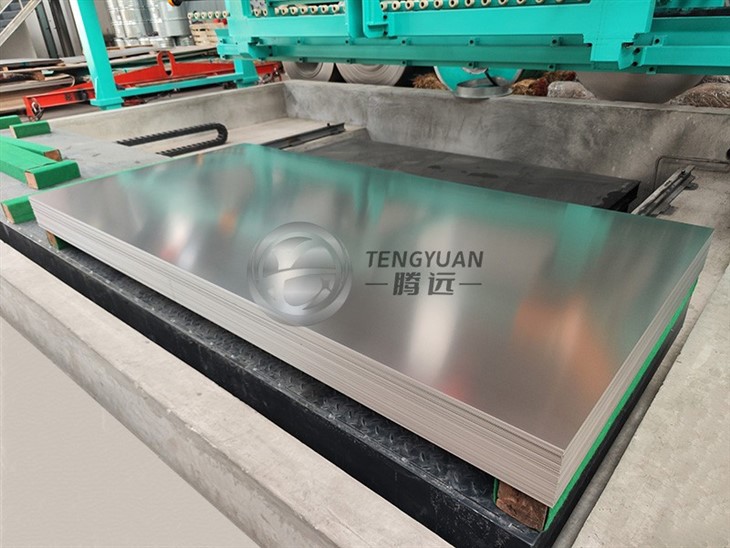
We conduct regular inspections and tests on the raw materials. For example, the titanium sponge is tested for its purity, particle size, and chemical composition. The aluminum and vanadium are also tested to ensure that they have the right properties for the production of high - quality GR5 Titanium Plates.
Related Products
In addition to GR5 Titanium Plates, we also supply other types of titanium plates, such as GR12 Titanium Plates for Chemical Industry and GR12 Titanium Plates for Ships. These plates are also made from high - quality raw materials and are suitable for specific applications.
Why Choose Our GR5 Titanium Plates
Our GR5 Titanium Plates are known for their excellent quality and performance. We use only the best raw materials and follow strict manufacturing processes to ensure that our plates meet the highest standards. Whether you're in the aerospace, automotive, medical, or marine industry, our GR5 Titanium Plates are a great choice for your projects.
If you're interested in purchasing GR5 Titanium Plates or any of our other titanium products, don't hesitate to reach out. We're always ready to discuss your specific requirements and provide you with the best solutions. Contact us for more information and to start a procurement negotiation.
References
- "Titanium: Technology, Production, and Applications" by Y. Waseda, T. Okabe, and D. R. G. Mitchell
- "The Chemistry of Titanium, Zirconium and Hafnium" by D. C. Bradley, R. C. Mehrotra, and D. P. Gaur
- Various industry reports on titanium ore production and titanium alloy manufacturing.