

Titanium seamless pipes are renowned for their exceptional properties, with hardness being one of the key characteristics that set them apart in various industrial applications. As a leading supplier of titanium seamless pipes, I am delighted to delve into the intricacies of their hardness characteristics and explore how these features make them a top choice for numerous sectors.
Understanding the Basics of Titanium's Hardness
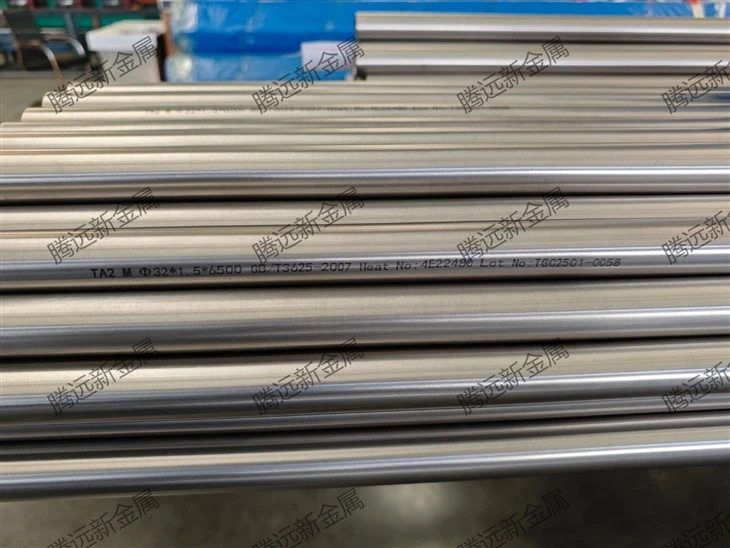
Titanium is a unique metal with a combination of high strength and relatively low density. The hardness of titanium seamless pipes is influenced by several factors, including the alloy composition, heat treatment, and manufacturing processes. Pure titanium (Grade 1) has a relatively low hardness compared to its alloyed counterparts. However, it still offers good corrosion resistance, which makes it suitable for applications where chemical resistance is a priority. For instance, Titanium Seamless Pipe for Corrosion Resistant is often made from pure titanium or low - alloyed grades.
When titanium is alloyed with other elements such as aluminum, vanadium, or molybdenum, its hardness can be significantly enhanced. These alloying elements form intermetallic compounds within the titanium matrix, which strengthen the material and increase its resistance to deformation. For example, Grade 5 titanium alloy (Ti - 6Al - 4V) is one of the most widely used titanium alloys due to its excellent combination of high strength, good ductility, and enhanced hardness. It is commonly used in aerospace, medical, and chemical industries.
Hardness Testing Methods for Titanium Seamless Pipes
There are several methods used to measure the hardness of titanium seamless pipes. The most common ones include the Brinell hardness test, Rockwell hardness test, and Vickers hardness test.
The Brinell hardness test involves pressing a hard steel or carbide ball into the surface of the titanium pipe under a specific load. The diameter of the indentation left on the surface is measured, and the Brinell hardness number (BHN) is calculated based on the load and the surface area of the indentation. This method is suitable for measuring the hardness of relatively large - grained and thick - walled titanium pipes.
The Rockwell hardness test uses a diamond cone or a hardened steel ball indenter. A minor load is first applied to seat the indenter, followed by a major load. The difference in the depth of penetration between the minor and major loads is measured, and the Rockwell hardness number is determined. This test is quick and can be used for a wide range of titanium pipe thicknesses.
The Vickers hardness test uses a square - based diamond pyramid indenter. A load is applied to the indenter, and the diagonal lengths of the resulting indentation are measured. The Vickers hardness number (HV) is calculated based on the load and the surface area of the indentation. This method is very accurate and can be used for measuring the hardness of thin - walled titanium pipes and small - scale samples.
Impact of Hardness on the Performance of Titanium Seamless Pipes
The hardness of titanium seamless pipes has a profound impact on their performance in different applications.
Wear Resistance
In applications where the titanium pipes are subject to abrasion or friction, such as in mining, oil and gas extraction, and pulp and paper industries, high hardness is crucial. A harder titanium pipe can withstand the wear and tear caused by the flow of abrasive materials, such as sand, gravel, or chemicals, for a longer period. This reduces the frequency of pipe replacement and maintenance costs. For example, Titanium Seamless Pipe for Chemical Industry often needs to resist the abrasive action of corrosive chemicals, and a harder pipe will have better long - term performance.
Fatigue Resistance
Titanium seamless pipes are often subjected to cyclic loading in many engineering applications. High hardness can improve the fatigue resistance of the pipes. When a pipe is under cyclic stress, the harder material is less likely to develop cracks and fractures. This is especially important in applications such as aerospace components, where the pipes need to withstand repeated stress during flight.
Pressure Resistance
In high - pressure applications, such as in hydraulic systems or deep - sea pipelines, the hardness of the titanium pipe is essential. A harder pipe can better resist the internal pressure without undergoing plastic deformation or bursting. The high - strength and high - hardness properties of titanium alloys make them suitable for these demanding applications.
Influence of Manufacturing Processes on Hardness
The manufacturing process of titanium seamless pipes also plays a significant role in determining their hardness.
Hot - Rolling Process
The hot - rolling process is commonly used to produce titanium seamless pipes. During hot - rolling, the titanium billet is heated to a high temperature and passed through a series of rolling mills. The high temperature during hot - rolling allows the titanium to be easily deformed, but it also affects the final hardness of the pipe. If the cooling rate after hot - rolling is too slow, the titanium may undergo grain growth, which can reduce its hardness. On the other hand, a controlled cooling process can help to achieve the desired hardness by promoting the formation of fine - grained microstructures.
Cold - Drawing Process
The cold - drawing process is often used to further refine the dimensions and improve the surface finish of titanium seamless pipes. Cold - drawing involves pulling the pipe through a die at room temperature. This process work - hardens the titanium, increasing its hardness and strength. However, excessive cold - drawing can lead to reduced ductility, so a balance needs to be struck between hardness and ductility.
Applications Based on Hardness Requirements
Different industries have specific hardness requirements for titanium seamless pipes.
Aerospace Industry
In the aerospace industry, titanium seamless pipes need to have high hardness and strength to withstand the extreme conditions of flight. GR1 Titanium Seamless Pipe and other high - strength titanium alloys are used in aircraft hydraulic systems, fuel lines, and structural components. The high hardness of these pipes ensures their reliability and safety during flight.
Medical Industry
In the medical field, titanium seamless pipes are used in surgical instruments and implants. The hardness of the pipes is important for maintaining their shape and integrity during surgical procedures. Titanium's biocompatibility, combined with its appropriate hardness, makes it an ideal material for medical applications.
Chemical Industry
The chemical industry requires titanium seamless pipes with good corrosion resistance and sufficient hardness to withstand the harsh chemical environment. Pipes used in chemical processing plants, such as those for transporting acids, alkalis, or other corrosive substances, need to be able to resist both chemical attack and mechanical wear.
Conclusion
The hardness characteristics of titanium seamless pipes are a result of a complex interplay between alloy composition, manufacturing processes, and heat treatment. As a supplier of titanium seamless pipes, we understand the importance of these factors in meeting the diverse needs of our customers. Whether you need pipes for corrosion - resistant applications, high - pressure environments, or specific industrial sectors, we can provide you with the right titanium seamless pipes with the appropriate hardness.
If you are interested in purchasing titanium seamless pipes or have any questions regarding their hardness and other properties, please feel free to contact us. We are ready to assist you in finding the best solutions for your specific requirements.

References
- ASM Handbook, Volume 1: Properties and Selection: Irons, Steels, and High - Performance Alloys. ASM International.
- Titanium: A Technical Guide. Second Edition. ASM International.
- "Hardness Testing of Metals" by ASTM International.


