As a supplier of GR1 Titanium Welding Wire, I often get asked about the surface finish of our product. The surface finish of GR1 Titanium Welding Wire is a crucial aspect that can significantly impact its performance and usability in various welding applications. In this blog post, I'll delve into what the surface finish of GR1 Titanium Welding Wire entails, its importance, and how it relates to the overall quality of the wire.
Understanding GR1 Titanium Welding Wire
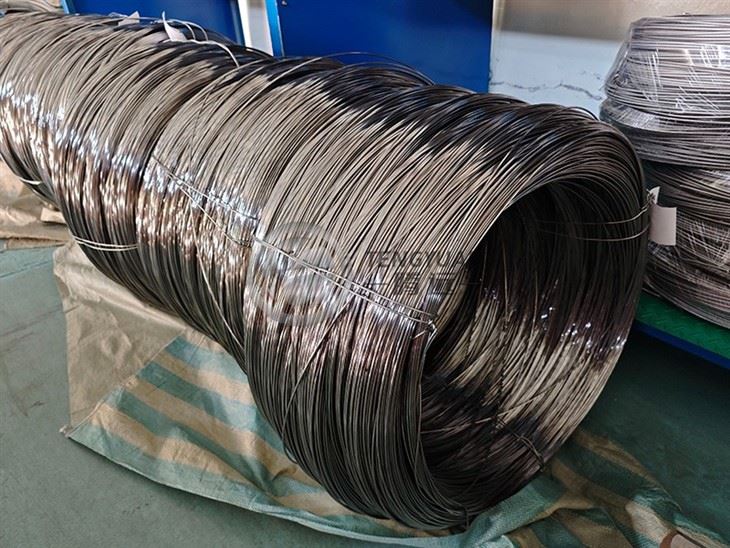
Before we discuss the surface finish, let's briefly touch on what GR1 Titanium Welding Wire is. GR1 Titanium is an industrial pure titanium grade known for its excellent corrosion resistance, high strength - to - weight ratio, and good formability. GR1 Titanium Welding Wire GR1 Titanium Welding Wire is widely used in industries such as aerospace, chemical processing, and marine engineering for joining titanium components.

What is Surface Finish?
Surface finish refers to the characteristics of the surface of the welding wire, including its texture, smoothness, and the presence of any contaminants or irregularities. A good surface finish on GR1 Titanium Welding Wire is essential for several reasons.
Smoothness
A smooth surface finish on the wire is vital for consistent wire feeding during the welding process. When the wire has a rough surface, it can cause friction as it passes through the welding gun and feeder system. This friction can lead to inconsistent wire feed rates, which in turn can result in poor weld quality, such as uneven bead formation, porosity, and lack of fusion. A smooth surface allows the wire to glide easily through the feeding mechanism, ensuring a steady and reliable welding process.
Cleanliness
The surface of the GR1 Titanium Welding Wire should be free from contaminants such as oil, grease, dirt, and oxides. Titanium is highly reactive to oxygen, nitrogen, and hydrogen at elevated temperatures. If the wire surface is contaminated, these elements can be introduced into the weld pool during welding, leading to the formation of brittle intermetallic compounds and reducing the mechanical properties of the weld. For example, oxygen contamination can cause the weld to become hard and brittle, reducing its ductility and toughness.
Surface Texture
The texture of the wire surface can also affect the welding process. A uniform surface texture helps in maintaining a stable arc during welding. An inconsistent texture can cause fluctuations in the arc, leading to spatter and an unstable weld bead. Additionally, a proper surface texture can enhance the wetting and spreading of the molten metal on the base material, improving the fusion between the wire and the workpiece.
Our Surface Finish Standards
As a supplier, we adhere to strict quality control measures to ensure that our GR1 Titanium Welding Wire has an excellent surface finish.
Cleaning Process
We start by thoroughly cleaning the wire to remove any surface contaminants. This involves a multi - step cleaning process that may include degreasing, pickling, and rinsing. Degreasing removes oil and grease from the wire surface, while pickling helps to remove oxides and other surface impurities. After pickling, the wire is rinsed with clean water to ensure that no residual chemicals are left on the surface.
Surface Inspection
Once the wire is cleaned, it undergoes a rigorous surface inspection. We use advanced inspection techniques such as visual inspection, microscopy, and surface roughness measurement. Visual inspection allows us to detect any visible defects such as scratches, cracks, or foreign particles on the wire surface. Microscopy is used to examine the surface at a microscopic level to identify any fine - scale irregularities. Surface roughness measurement helps us to ensure that the wire meets the specified smoothness requirements.
Coating (if applicable)
In some cases, we may apply a thin coating to the wire surface. This coating can serve several purposes, such as improving the wire's corrosion resistance, reducing friction during wire feeding, and enhancing the arc stability. However, the coating must be carefully selected to ensure that it does not introduce any contaminants into the weld pool during welding.
Comparison with Other Titanium Wires
When comparing the surface finish of GR1 Titanium Welding Wire with other grades, such as GR2 Titanium Welding Wire or GR2 Titanium Wire, there are some similarities and differences.
Both GR1 and GR2 are industrial pure titanium grades, so they generally require a high - quality surface finish for optimal welding performance. However, GR2 has a slightly higher strength and hardness compared to GR1 due to its slightly higher impurity content. This may result in some differences in the surface treatment processes and the final surface characteristics. For example, the pickling process for GR2 may need to be adjusted slightly to account for its different chemical composition.
Impact on Weld Quality
The surface finish of GR1 Titanium Welding Wire has a direct impact on the quality of the weld. A wire with a good surface finish can produce high - quality welds with excellent mechanical properties, such as high strength, ductility, and corrosion resistance.
Mechanical Properties
As mentioned earlier, a clean and smooth wire surface helps to prevent the introduction of contaminants into the weld pool. This results in a weld with fewer defects and a more homogeneous microstructure, which in turn improves the mechanical properties of the weld. For example, a weld made with a wire having a proper surface finish will have better tensile strength and elongation compared to a weld made with a contaminated or rough - surfaced wire.
Corrosion Resistance
Titanium is known for its excellent corrosion resistance, but the surface finish of the welding wire can affect the corrosion resistance of the weld. A clean and smooth surface reduces the likelihood of crevices and pits forming on the weld surface, which can act as sites for corrosion initiation. Additionally, a well - finished wire helps to ensure a proper fusion between the wire and the base material, which is essential for maintaining the integrity of the corrosion - resistant oxide layer on the titanium surface.
Conclusion
In conclusion, the surface finish of GR1 Titanium Welding Wire is a critical factor that can significantly affect its performance and the quality of the welds it produces. As a supplier, we are committed to providing high - quality GR1 Titanium Welding Wire with an excellent surface finish. Our strict quality control measures ensure that our wire meets the highest standards in terms of smoothness, cleanliness, and surface texture.
If you are in the market for GR1 Titanium Welding Wire and are looking for a reliable supplier, we would be more than happy to discuss your requirements. Whether you need a small quantity for a research project or a large volume for industrial production, we can provide you with the right product. Contact us today to start the procurement process and experience the difference in quality that our GR1 Titanium Welding Wire can offer.
References
- ASM Handbook Volume 6: Welding, Brazing, and Soldering.
- Titanium: A Technical Guide, Second Edition by John C. Williams.
- Welding Metallurgy and Weldability of Titanium Alloys by John C. Lippold and David J. Kotecki.