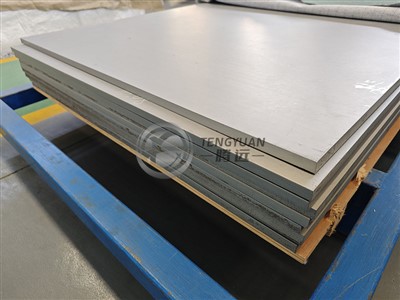
The shelf life of GR12 titanium rods is a topic that concerns many in the industry, especially for those who rely on these high - performance materials for various applications. As a supplier of GR12 Titanium Rods, I have encountered numerous inquiries regarding this matter. In this blog, I will delve into the factors that influence the shelf life of GR12 titanium rods and provide a comprehensive understanding of this crucial aspect.
Understanding GR12 Titanium Rods
GR12 titanium rods are a type of titanium alloy rod that combines excellent mechanical properties with good corrosion resistance. They are composed of titanium with specific alloying elements, typically molybdenum and nickel. This unique composition gives GR12 titanium rods their distinct characteristics, making them suitable for a wide range of applications, including in the chemical industry and for corrosion - resistant purposes. You can find more information about GR12 Titanium Rods on our website.
Factors Affecting the Shelf Life of GR12 Titanium Rods
1. Storage Conditions
The way GR12 titanium rods are stored plays a significant role in determining their shelf life. Ideally, these rods should be stored in a dry, clean, and well - ventilated environment. Moisture is one of the biggest enemies of titanium alloys. When exposed to high humidity, titanium rods can develop surface oxidation, which may gradually degrade their performance over time.
For example, if GR12 titanium rods are stored in a warehouse with poor ventilation and high humidity levels, water vapor can condense on the surface of the rods. This can lead to the formation of a thin layer of titanium oxide. Although titanium oxide is generally considered a protective layer, excessive oxidation can cause the surface to become rough and may affect the rod's dimensional accuracy and mechanical properties.
Temperature also matters. Extreme temperatures, either too high or too low, can have adverse effects on the structure of the titanium alloy. High temperatures can accelerate the diffusion of alloying elements, potentially altering the material's composition and properties. On the other hand, very low temperatures can make the rods more brittle, increasing the risk of cracking during handling or subsequent processing.


2. Surface Protection
The surface condition of GR12 titanium rods at the time of storage is crucial. If the rods have a proper surface finish and are protected from scratches and abrasions, their shelf life can be extended. A smooth surface is less likely to accumulate contaminants and is more resistant to corrosion.
Some suppliers apply a protective coating to the surface of GR12 titanium rods before storage. This coating can act as a barrier between the rod and the surrounding environment, preventing moisture and other corrosive substances from coming into direct contact with the titanium alloy. However, the effectiveness of the coating depends on its quality and durability. Over time, the coating may wear off or become damaged, exposing the rod to potential corrosion.
3. Alloy Purity and Homogeneity
The purity and homogeneity of the GR12 titanium alloy also impact the shelf life. High - quality GR12 titanium rods with a uniform distribution of alloying elements are more stable and less prone to degradation. Impurities in the alloy can act as sites for corrosion initiation. For instance, if there are small inclusions of other metals or non - metallic substances in the rod, these areas may corrode preferentially, leading to the formation of pits and cracks on the surface.
Estimating the Shelf Life
It is difficult to provide an exact figure for the shelf life of GR12 titanium rods because it varies depending on the factors mentioned above. Under ideal storage conditions, with proper surface protection and high - quality alloy, GR12 titanium rods can have a shelf life of several years, perhaps up to 5 - 10 years.
However, if the storage conditions are sub - optimal, the shelf life can be significantly reduced. For example, in a humid and polluted environment, the rods may start to show signs of corrosion within a few months to a year.
Applications and Shelf Life Considerations
1. Chemical Industry
GR12 titanium rods are widely used in the chemical industry due to their excellent corrosion resistance. In this application, the shelf life of the rods is of utmost importance. Any degradation in the rod's properties can lead to equipment failure, which can be both costly and dangerous. You can learn more about GR12 Titanium Rods for Chemical Industry on our website.
Before using GR12 titanium rods in chemical processing equipment, it is essential to inspect their surface condition and mechanical properties. If the rods have been stored for a long time and there are signs of corrosion or other damage, they may need to be re - evaluated or even replaced to ensure the safety and efficiency of the chemical processes.
2. Corrosion - Resistant Applications
In applications where corrosion resistance is the primary requirement, such as in marine environments or in the construction of corrosion - resistant structures, the shelf life of GR12 titanium rods is a critical factor. GR12 Titanium Rods for Corrosion Resistant applications need to maintain their integrity over an extended period.
When selecting GR12 titanium rods for these applications, customers should consider the storage history of the rods. Rods that have been stored in a proper environment and have been regularly inspected are more likely to meet the long - term corrosion resistance requirements.
Ensuring the Long - Term Quality of GR12 Titanium Rods
As a supplier, we take several measures to ensure the long - term quality of our GR12 titanium rods. Firstly, we conduct strict quality control during the manufacturing process to ensure the high purity and homogeneity of the alloy. We also pay close attention to the surface finish of the rods, using advanced machining techniques to achieve a smooth and defect - free surface.
During storage, our warehouses are equipped with environmental control systems to maintain optimal temperature and humidity levels. We also regularly inspect the stored rods to detect any signs of degradation early. If necessary, we can re - apply protective coatings to the rods to extend their shelf life.
Contact for Procurement and Consultation
If you are interested in purchasing GR12 titanium rods or have any questions regarding their shelf life, applications, or quality, please feel free to contact us. Our team of experts is always ready to provide you with detailed information and assist you in making the right choice for your specific needs.
References
- "Titanium and Titanium Alloys: Fundamentals and Applications" by J. C. Williams and E. W. Collings
- "Corrosion of Titanium Alloys" by G. L. Doll and R. C. Newman