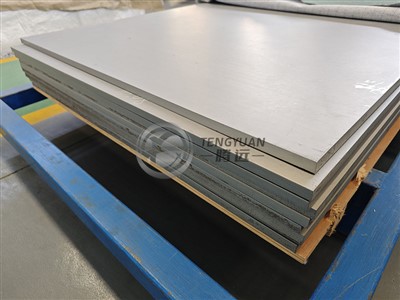
Titanium alloy rods are highly sought-after materials in various industries, including aerospace, automotive, and marine, due to their excellent strength-to-weight ratio, corrosion resistance, and high-temperature performance. As a reliable titanium alloy rod supplier, we understand the importance of ensuring these valuable products are transported safely and efficiently. In this blog post, I'll share some key considerations and best practices for transporting titanium alloy rods.
Pre - transport Preparation
Inspection and Packaging
Before transportation, a thorough inspection of the titanium alloy rods is essential. Check for any surface defects, scratches, or dents that could have occurred during the manufacturing process. Any such issues should be addressed immediately to avoid potential problems during use.
Once inspected, proper packaging is crucial to protect the rods from damage. For smaller rods, individual plastic or foam sleeves can be used to prevent scratching and abrasion. Larger rods may require custom - made wooden crates or steel containers. These containers should be designed to securely hold the rods in place, preventing movement during transit. Additionally, moisture - resistant materials can be used to protect the rods from rust and corrosion. For example, we often use desiccant packets inside the packaging to absorb any excess moisture.
Documentation
Accurate documentation is a must for transporting titanium alloy rods. This includes a detailed bill of lading that lists the quantity, size, grade, and destination of the rods. The grade of the titanium alloy is particularly important, as different grades have different properties and applications. For instance, GR12 Titanium Rod for Ships and GR12 Titanium Rods for Chemical Industry have specific characteristics that are suitable for their respective industries.
Certificates of origin, quality control reports, and any relevant safety data sheets should also be included. These documents not only ensure compliance with regulations but also provide the customer with important information about the product.
Choosing the Right Transportation Mode
Road Transport
Road transport is a common choice for short - to medium - distance shipments of titanium alloy rods. It offers flexibility in terms of pick - up and delivery locations. Trucks can be equipped with specialized racks or holders to secure the rods during transit. However, road conditions need to be carefully considered. Bumpy roads can cause the rods to move and potentially damage each other. Additionally, extreme weather conditions such as heavy rain or snow can pose risks to the rods if the truck is not properly sealed.
Rail Transport
For longer - distance domestic shipments, rail transport can be a cost - effective option. Trains can carry large volumes of titanium alloy rods at once. Similar to road transport, proper securing of the rods is necessary. Rail transport is generally more stable than road transport, but it may have limitations in terms of delivery times and the need for additional handling at transfer points.
Sea Transport
When shipping titanium alloy rods internationally, sea transport is often the preferred option. Containers can be used to protect the rods from the harsh marine environment. However, sea transport has a longer transit time, and proper ventilation and moisture control inside the containers are crucial. Saltwater corrosion is a significant concern, so the rods should be well - protected. For example, we use anti - corrosion coatings on the rods and ensure that the containers are sealed to prevent seawater from entering.


Air Transport
Air transport is the fastest option but also the most expensive. It is suitable for urgent orders or high - value shipments. Specialized air freight carriers have strict regulations regarding the packaging and handling of titanium alloy rods. The rods need to be packed in a way that meets the airline's safety requirements.
Safety Considerations
Handling
During loading and unloading, proper handling equipment should be used. Forklifts with soft - padded forks can be used to lift the crates or containers without damaging the rods. Workers should be trained on the correct handling procedures to avoid dropping or mishandling the rods.
Storage During Transit
If there are any intermediate storage points during transit, the rods should be stored in a dry, clean, and well - ventilated area. They should be kept away from other materials that could cause damage or contamination. For example, storing the rods near chemicals or abrasive materials should be avoided.
Security
Security is also an important aspect of transporting titanium alloy rods. The transportation vehicles should be equipped with proper locking mechanisms to prevent theft. In some cases, tracking devices can be installed to monitor the location of the shipment in real - time.
Regulatory Compliance
International Regulations
When transporting titanium alloy rods across international borders, compliance with international regulations is essential. This includes regulations related to customs, trade, and environmental protection. For example, some countries may have restrictions on the import of certain grades of titanium alloy. It is important to work with a freight forwarder who is familiar with these regulations to ensure a smooth transit.
Local Regulations
In addition to international regulations, local regulations in the origin and destination countries also need to be followed. These may include weight limits for road transport, safety requirements for rail transport, and environmental regulations for sea transport.
Monitoring and Tracking
Real - time Monitoring
With the advancement of technology, real - time monitoring of the shipment has become possible. Sensors can be installed on the packaging to monitor factors such as temperature, humidity, and shock. This allows us to detect any potential issues during transit and take appropriate measures in a timely manner.
Tracking Systems
Most transportation companies offer tracking systems that allow us and our customers to track the location and status of the shipment. This provides transparency and peace of mind, as we can keep our customers informed about the progress of their order.
Conclusion
Transporting titanium alloy rods requires careful planning, proper packaging, and strict adherence to safety and regulatory requirements. As a titanium alloy rod supplier, we are committed to ensuring that our products reach our customers in the best possible condition. Whether it's GR12 Titanium Rod for Ships, GR12 Titanium Rods for Chemical Industry, or GR5 Titanium Rods, we take every step to guarantee a safe and efficient transportation process.
If you are interested in purchasing titanium alloy rods or have any questions about our transportation services, please feel free to contact us for further discussion and procurement negotiation.
References
- "Handbook of Titanium Alloys" by Yuri Estrin, et al.
- International Maritime Organization (IMO) regulations for sea transport.
- Federal Motor Carrier Safety Administration (FMCSA) regulations for road transport.