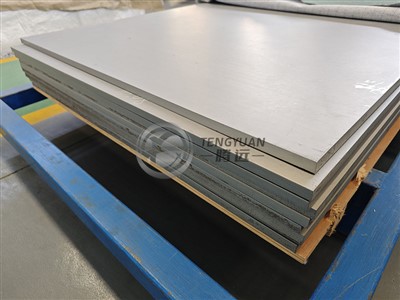
Hey there! As a supplier of titanium alloy plates, I've been getting a lot of questions lately about the creep resistance of these bad boys. So, I thought I'd take a few minutes to break it down for you and explain what it means, why it matters, and how it affects the performance of our titanium alloy plates.
First off, let's talk about what creep is. Creep is the gradual deformation of a material over time when it's under a constant load at an elevated temperature. Think of it like stretching a rubber band and leaving it stretched for a long time. Eventually, it won't go back to its original shape. That's creep in a nutshell.
Now, when it comes to titanium alloy plates, creep resistance is super important. Why? Well, titanium alloys are often used in high-stress, high-temperature environments, like in aerospace, chemical processing, and power generation. In these applications, even a small amount of creep can lead to big problems, like component failure or reduced efficiency.
So, how do we measure the creep resistance of titanium alloy plates? There are a few different ways, but one of the most common is to use a creep test. In a creep test, a sample of the titanium alloy is subjected to a constant load at a specific temperature for a set period of time. The amount of deformation that occurs over that time is then measured, and the creep rate is calculated.
The creep rate is usually expressed in terms of strain per unit time, like millimeters per hour or inches per year. A lower creep rate means better creep resistance, which is what we're looking for in our titanium alloy plates.
But what factors affect the creep resistance of titanium alloy plates? Well, there are a few things to consider. First, the composition of the alloy plays a big role. Different alloying elements can have different effects on creep resistance. For example, adding elements like aluminum, vanadium, and molybdenum can improve the creep resistance of titanium alloys.
Another factor is the microstructure of the alloy. The way the atoms are arranged in the alloy can affect how it deforms under load. For example, a fine-grained microstructure can provide better creep resistance than a coarse-grained microstructure.
The temperature and stress level also play a role. Generally speaking, the higher the temperature and the higher the stress, the more likely the alloy is to creep. That's why it's important to choose the right titanium alloy for the specific application and to make sure it's used within its recommended temperature and stress limits.
At our company, we offer a range of titanium alloy plates with different compositions and properties to meet the needs of different applications. For example, our GR12 Titanium Plates for Chemical Industry are designed to have excellent corrosion resistance and good creep resistance, making them ideal for use in chemical processing plants.
Our GR5 Titanium Plates are another popular choice. They're known for their high strength, good ductility, and excellent creep resistance, making them suitable for a wide range of applications, including aerospace and automotive.
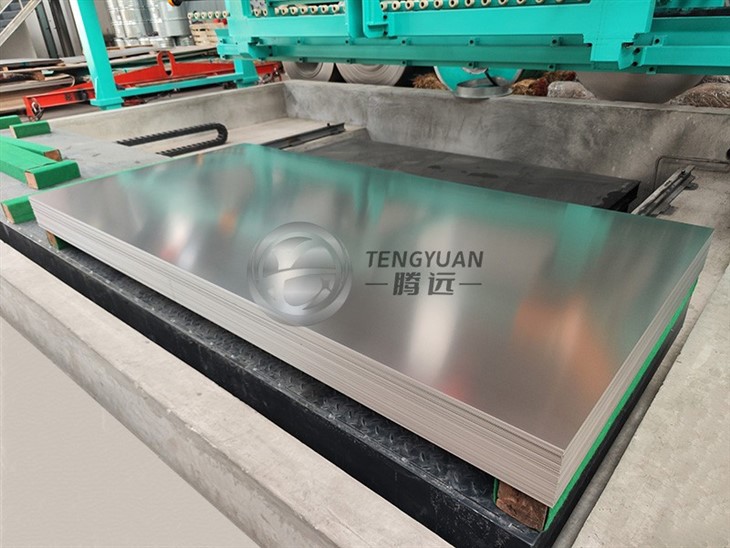

And if you're looking for titanium alloy plates for use in ships, our GR12 Titanium Plates for Ships are a great option. They have good corrosion resistance and creep resistance, as well as high strength and toughness, making them ideal for use in marine environments.
So, there you have it. That's a basic overview of the creep resistance of titanium alloy plates. If you have any questions or if you're interested in learning more about our products, don't hesitate to reach out. We're here to help you find the right titanium alloy plates for your specific needs. Whether you're in the aerospace industry, chemical processing, or any other field that requires high-performance materials, we've got you covered.
Let's work together to ensure your projects are a success. Contact us today to start the conversation about your titanium alloy plate requirements. We look forward to hearing from you and helping you find the perfect solution for your application.
References
- "Titanium and Titanium Alloys: Fundamentals and Applications" by John C. Williams
- "Creep of Engineering Materials" by B. Wilshire and D. R. Woodford
- "Materials Science and Engineering: An Introduction" by William D. Callister, Jr. and David G. Rethwisch