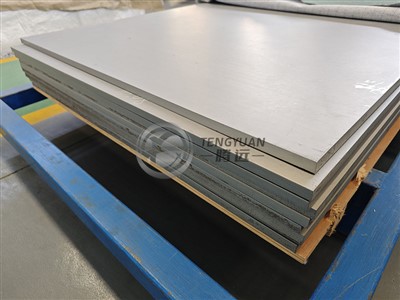
Titanium wire is a remarkable material with a wide range of applications across various industries, from aerospace and marine engineering to medical and jewelry making. One question that often arises among potential buyers and enthusiasts is: What is the color of titanium wire? In this blog post, I'll delve into this topic as a titanium wire supplier, providing a detailed scientific explanation and exploring how the color can vary based on different factors.
The Natural Color of Titanium Wire
Pure titanium in its natural state has a distinctive metallic gray color. This color is a result of its atomic structure and the way it interacts with light. Titanium has a relatively high reflectivity in the visible light spectrum, which gives it a shiny, silver - gray appearance similar to other metals like stainless steel. When you first see a piece of pure titanium wire, you'll notice its sleek, modern look that exudes a sense of durability and strength.
For example, our GR1 Titanium Wire is made from industrial - pure titanium. It showcases this classic silver - gray color right out of the production line. This natural color is not only aesthetically pleasing but also an indicator of its high - quality and purity.
Factors Affecting the Color of Titanium Wire
Surface Finish
The surface finish of titanium wire can significantly alter its apparent color. A smooth, polished surface will enhance the reflectivity of the wire, making it look brighter and more lustrous. On the other hand, a wire with a rough or matte finish will scatter light in different directions, resulting in a duller, less reflective appearance.
For instance, in some cases where a more subdued look is desired, we can provide titanium wire with a matte finish. This can be achieved through processes like sandblasting or chemical etching. The matte - finished wire will have a darker, less shiny gray color compared to its polished counterpart.
Oxidation
Titanium is a highly reactive metal when it comes to oxygen. When exposed to air, a thin layer of titanium dioxide (TiO₂) forms on the surface of the wire. This oxide layer can cause the wire to change color, a phenomenon known as anodizing.
Anodizing can produce a variety of colors on titanium wire, depending on the thickness of the oxide layer. Thinner oxide layers result in colors like pale yellow, gold, and blue, while thicker layers can produce colors such as purple, magenta, and even black.
We can perform anodizing on our titanium wires according to the customer's requirements. For example, in the jewelry industry, anodized titanium wire with vibrant colors is very popular. Designers can use these colorful wires to create unique and eye - catching pieces.
Alloying Elements
When titanium is alloyed with other elements, the color of the resulting wire can also change. Different alloying elements have different effects on the atomic structure of titanium, which in turn affects how the wire interacts with light.
For example, adding small amounts of aluminum and vanadium to titanium creates a common titanium alloy. This alloy may have a slightly different color compared to pure titanium. The alloyed wire might appear to have a slightly warmer or cooler shade of gray, depending on the specific composition of the alloy.
Applications and Color Considerations
Aerospace Industry
In the aerospace industry, the color of titanium wire is usually not a primary concern. The focus is more on the mechanical properties such as strength - to - weight ratio, corrosion resistance, and fatigue resistance. However, the natural silver - gray color of titanium wire is often preferred as it is in line with the overall aesthetic of aerospace components.
Marine Industry
In the marine environment, titanium wire is used for various applications, including shipbuilding. Our L - shaped Titanium Profile for Ships and GR12 Titanium Plates for Ships are examples of products used in this sector. The natural color of titanium is suitable for marine applications as it blends well with the overall appearance of ships and other marine structures. Additionally, the corrosion - resistant properties of titanium ensure that the color remains stable over time in the harsh salt - water environment.
Medical Industry
In the medical field, titanium wire is used for implants, surgical instruments, and dental applications. The color of the wire is usually required to be as close to the natural color of the surrounding tissues as possible. The silver - gray color of pure titanium is generally acceptable in most medical applications, as it is non - reactive and biocompatible.
Jewelry Industry
The jewelry industry is one of the sectors where the color of titanium wire is of great importance. Designers often look for unique and vibrant colors to create one - of - a - kind pieces. Anodized titanium wire with its wide range of colors offers endless possibilities for jewelry design. From delicate necklaces to bold rings, the colorful titanium wire can add a modern and trendy touch to any jewelry collection.
Conclusion
In conclusion, the color of titanium wire can vary depending on several factors, including its natural state, surface finish, oxidation, and alloying elements. While the natural color of pure titanium wire is a classic silver - gray, anodizing can produce a beautiful spectrum of colors for decorative purposes.


As a titanium wire supplier, we understand the diverse needs of our customers in different industries. Whether you are looking for the natural - colored wire for its strength and durability or the anodized wire for its vibrant colors, we have the expertise and capabilities to meet your requirements.
If you are interested in purchasing titanium wire for your specific application, we invite you to contact us for more information and to start a procurement discussion. Our team of experts will be happy to assist you in selecting the right type of titanium wire and provide you with all the necessary technical support.
References
- "Titanium: A Technical Guide" by J. R. Davis
- "The Science and Engineering of Materials" by Donald R. Askeland and Pradeep P. Phule