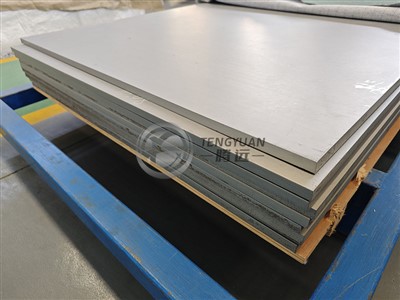
As a supplier of titanium alloy plates, ensuring that these high - performance materials maintain their quality during storage is of utmost importance. Titanium alloy plates are widely used in various industries due to their excellent properties such as high strength - to - weight ratio, corrosion resistance, and good biocompatibility. In this blog, we will explore the storage conditions required to preserve the performance of titanium alloy plates.
Temperature and Humidity Control
One of the most critical factors in storing titanium alloy plates is controlling the temperature and humidity of the storage environment. Titanium alloys are generally stable under normal conditions, but extreme temperatures and high humidity can have adverse effects on their performance.
High temperatures can cause the titanium alloy to undergo phase changes or oxidation. For example, if the storage temperature exceeds 400°C, the surface of the titanium alloy plate may start to form an oxide layer at an accelerated rate. This oxide layer can change the surface properties of the plate, potentially reducing its corrosion resistance and mechanical properties. Therefore, it is recommended to store titanium alloy plates in an environment where the temperature is kept below 50°C.
Humidity is another key consideration. High humidity levels can lead to the formation of moisture on the surface of the plates, which may initiate corrosion. Titanium alloys are known for their good corrosion resistance, but in the presence of prolonged exposure to moisture and certain contaminants, corrosion can still occur. A relative humidity level of less than 60% is ideal for storing titanium alloy plates. This can be achieved by using dehumidifiers in the storage facility or by choosing a location with a naturally dry climate.
Protection from Physical Damage
Titanium alloy plates are relatively hard and strong, but they can still be damaged during storage. Physical damage such as scratches, dents, or impacts can compromise the integrity of the plates and affect their performance.
When storing titanium alloy plates, it is essential to stack them properly. The plates should be stacked on a flat and clean surface to prevent warping. A layer of soft material, such as rubber or felt, can be placed between each plate to avoid direct contact and reduce the risk of scratches. Additionally, the stacks should be stable to prevent them from toppling over, which could cause significant damage to the plates.


Handling the plates with care is also crucial. When moving or lifting the plates, appropriate lifting equipment, such as cranes or forklifts with soft - padded forks, should be used. Sharp objects should be kept away from the plates to prevent accidental scratches.
Protection from Chemical Contamination
Titanium alloy plates can be affected by chemical contamination. Exposure to certain chemicals can cause corrosion or other chemical reactions that degrade the performance of the plates.
It is important to store titanium alloy plates away from sources of chemical contaminants. This includes areas where acids, alkalis, or other corrosive substances are stored or used. In addition, the storage area should be clean and free from dust and debris, as these can contain trace amounts of chemicals that may react with the titanium alloy.
If the plates are to be stored for an extended period, they can be coated with a protective film or a corrosion - inhibiting compound. This can provide an additional layer of protection against chemical contamination. However, it is important to ensure that the coating material is compatible with the titanium alloy to avoid any adverse reactions.
Isolation from Other Metals
Titanium alloy plates should be stored separately from other metals. When different metals come into contact in the presence of an electrolyte (such as moisture), galvanic corrosion can occur. Titanium has a different electrochemical potential compared to many other metals, so when it is in contact with a more active metal, the titanium can act as a cathode and the other metal as an anode. This can lead to accelerated corrosion of the other metal and potentially damage the titanium alloy plate as well.
Therefore, it is recommended to store titanium alloy plates in a dedicated storage area away from steel, aluminum, or other metal products. If it is necessary to store them in the same facility, a physical barrier, such as a plastic sheet or a wooden partition, should be used to separate the titanium alloy plates from other metals.
Monitoring and Inspection
Regular monitoring and inspection of the stored titanium alloy plates are essential to ensure that their performance is maintained. This includes checking the temperature and humidity levels in the storage area on a regular basis to ensure that they are within the recommended ranges.
Visual inspections of the plates should also be carried out periodically. Look for signs of corrosion, such as rust spots or discoloration, as well as any physical damage. If any issues are detected, appropriate measures should be taken immediately. For example, if corrosion is found, the affected area can be cleaned and treated with a corrosion - inhibiting compound.
Specific Considerations for Different Grades of Titanium Alloy Plates
Different grades of titanium alloy plates have different properties and may require slightly different storage conditions. For example, GR12 Titanium Plates for Corrosion Resistant are specifically designed for applications where high corrosion resistance is required. These plates may be more sensitive to chemical contamination and should be stored in an even more strictly controlled environment.
GR12 Titanium Plates for Chemical Industry are often used in harsh chemical environments. During storage, extra care should be taken to ensure that they are protected from any chemical spills or fumes.
GR5 Titanium Plates are one of the most widely used titanium alloys due to their excellent combination of strength and ductility. They also need to be stored under proper conditions to maintain these properties. Although GR5 has good corrosion resistance, it is still subject to the general storage requirements mentioned above.
Conclusion
In conclusion, proper storage conditions are crucial for maintaining the performance of titanium alloy plates. By controlling the temperature and humidity, protecting the plates from physical damage and chemical contamination, isolating them from other metals, and conducting regular monitoring and inspection, we can ensure that the titanium alloy plates remain in good condition and meet the high - quality standards required by our customers.
If you are interested in purchasing high - quality titanium alloy plates or have any questions about their storage and usage, please feel free to contact us for further discussions and negotiations. We are committed to providing you with the best products and services.
References
- ASM Handbook Volume 2: Properties and Selection: Nonferrous Alloys and Special - Purpose Materials. ASM International.
- Titanium: A Technical Guide. Second Edition. J. R. Davis, ed. ASM International.