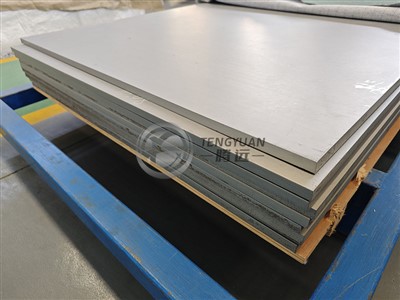
When dealing with titanium alloy wire, safety should always be the top priority. As a trusted titanium alloy wire supplier, we understand the importance of providing comprehensive safety guidelines to ensure the well - being of our customers and end - users. In this blog, we will explore the essential safety precautions that should be taken when handling titanium alloy wire.
Personal Protective Equipment (PPE)
Wearing appropriate personal protective equipment is the first line of defense when handling titanium alloy wire.
Eye Protection
Safety glasses or goggles are a must. Titanium alloy wire can produce sharp fragments during cutting, grinding, or other machining processes. Even a small piece of flying debris can cause serious eye injuries. Ensure that the eye protection you choose meets the relevant safety standards and provides adequate side protection to prevent particles from entering from the sides.
Hand Protection
Heavy - duty gloves are essential. Titanium alloy wire can have sharp edges, and handling it can cause cuts and abrasions. Gloves also protect your hands from any chemicals that may be used in the processing of the wire. For example, if the wire is being cleaned with solvents, gloves can prevent skin contact and potential chemical burns.
Respiratory Protection
When cutting, grinding, or welding titanium alloy wire, fine dust and fumes are generated. Inhaling these particles can be harmful to your respiratory system. A respirator with appropriate filters is required to protect against the inhalation of these contaminants. The type of respirator should be selected based on the specific operations and the level of dust and fumes produced.


Body Protection
Wear long - sleeved shirts and long pants to protect your skin from cuts and splashes. In addition, if you are working in an environment where there is a risk of molten metal splashing, such as during welding operations, a flame - resistant apron or a welding suit should be worn.
Storage and Handling Precautions
Proper storage and handling of titanium alloy wire are crucial to prevent physical damage and ensure its quality.
Storage Conditions
Titanium alloy wire should be stored in a dry, clean, and well - ventilated area. High humidity can cause corrosion on the wire surface, which will affect its performance and integrity. The storage area should also be protected from direct sunlight and extreme temperatures. It is advisable to store the wire on racks or in containers to prevent it from being damaged by other objects.
Handling Procedures
When moving titanium alloy wire, use appropriate lifting equipment. Avoid dragging the wire on rough surfaces, as this can cause scratches and damage to the wire. If the wire is in a coil form, be careful when unwinding it to prevent kinks and tangles. Kinked wire may lead to uneven stress distribution during further processing, which can affect the final product quality.
Fire and Explosion Safety
Titanium alloy wire is a combustible material under certain conditions, so fire and explosion safety measures are of utmost importance.
Hazardous Conditions
Titanium alloy can burn in the presence of oxygen at high temperatures. During machining operations such as grinding, the heat generated can cause the fine titanium dust to ignite if there is a sufficient oxygen supply. In addition, welding operations can also create a high - temperature environment that poses a fire risk.
Preventive Measures
Keep the work area clean and free of accumulated titanium dust. Vacuuming is a better option than sweeping, as sweeping can stir up the dust and make it more likely to ignite. Install proper fire - prevention equipment, such as fire extinguishers suitable for metal fires, in the work area. Also, ensure that the ventilation system in the area can effectively remove any combustible dust and fumes.
Machining and Welding Precautions
When machining and welding titanium alloy wire, specific safety precautions need to be taken.
Machining Safety
When cutting or grinding titanium alloy wire, use sharp tools. Dull tools can cause excessive heat generation, which not only affects the machining quality but also increases the risk of fire. Use a coolant during machining to reduce the temperature and prevent the formation of harmful dust. Adjust the machining parameters, such as cutting speed and feed rate, according to the characteristics of the titanium alloy wire to ensure safe and efficient processing.
Welding Safety
Welding titanium alloy wire requires special attention. Titanium is highly reactive with oxygen, nitrogen, and hydrogen at high temperatures. Therefore, welding should be carried out in an inert gas shielded environment, usually using argon gas, to prevent oxidation and contamination of the weld. Before welding, clean the wire surface thoroughly to remove any dirt, oil, or oxide layer. Check the welding equipment regularly to ensure its normal operation and safety.
Chemical and Environmental Safety
Some chemicals may be used in the processing of titanium alloy wire, so chemical and environmental safety should not be ignored.
Chemical Use and Storage
If chemicals such as cleaning solvents are used, follow the manufacturer's instructions carefully. Store these chemicals in a dedicated area away from the titanium alloy wire storage area. Ensure that the storage containers are properly labeled and sealed to prevent leakage.
Environmental Protection
When disposing of waste materials generated from the processing of titanium alloy wire, such as scraps and used chemicals, comply with relevant environmental regulations. Recycling of titanium alloy scraps is not only environmentally friendly but also cost - effective.
Training and Education
All personnel involved in handling titanium alloy wire should receive proper training and education.
Training Programs
Provide comprehensive training programs that cover the properties of titanium alloy wire, safety precautions, handling procedures, and emergency response measures. Regularly update the training content to ensure that workers are aware of the latest safety requirements.
Emergency Response Training
Train workers on how to respond in case of emergencies such as fires, chemical spills, or injuries. Conduct emergency drills regularly to improve the workers' ability to handle emergencies effectively.
As a professional titanium alloy wire supplier, we offer a variety of high - quality products, including GR5 Titanium Welding Wire, GR5 Titanium Wire, and GR12 Titanium Wire. We are committed to providing our customers with not only excellent products but also reliable safety information.
If you are interested in our titanium alloy wire products or have any questions about safety precautions, please feel free to contact us for procurement and further discussions. We look forward to serving you and helping you achieve your business goals safely and efficiently.
References
- ASM Handbook Committee. ASM Handbook Volume 2: Properties and Selection: Nonferrous Alloys and Special - Purpose Materials. ASM International, 2019.
- ASTM International. ASTM Standards Related to Titanium and Titanium Alloys. ASTM International, 2022.
- National Fire Protection Association (NFPA). NFPA 484: Standard for Combustible Metals. NFPA, 2021.