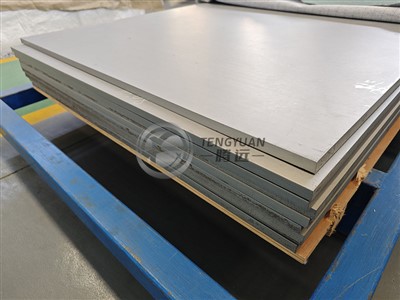
As a supplier of GR5 titanium wire, I've witnessed firsthand the increasing demand for this remarkable material across various industries. GR5 titanium wire, also known as Ti-6Al-4V, is a versatile and high-performance alloy celebrated for its exceptional strength-to-weight ratio, corrosion resistance, and biocompatibility. However, like any material, using GR5 titanium wire comes with its own set of challenges. In this blog post, I'll delve into some of the key challenges that users may encounter when working with GR5 titanium wire and explore potential solutions.
Machinability Challenges
One of the primary challenges in using GR5 titanium wire is its poor machinability. Titanium alloys, including GR5, have a high chemical reactivity with cutting tools, which can lead to rapid tool wear and reduced cutting efficiency. The high strength and low thermal conductivity of GR5 titanium wire also contribute to increased cutting forces and heat generation during machining operations. As a result, achieving precise dimensions and surface finishes can be difficult, and machining costs can be significantly higher compared to other materials.
To overcome these challenges, it's essential to use the right cutting tools and machining parameters. Carbide cutting tools with a sharp edge and a high rake angle are recommended for machining GR5 titanium wire. Coolant or lubricant should be used to reduce heat generation and improve chip evacuation. Additionally, optimizing the cutting speed, feed rate, and depth of cut can help minimize tool wear and improve machining efficiency.
Welding Challenges
Welding GR5 titanium wire can also be challenging due to its high reactivity with oxygen, nitrogen, and hydrogen at elevated temperatures. When exposed to these elements during welding, titanium can form brittle compounds that can reduce the strength and ductility of the weld joint. In addition, the high thermal conductivity of titanium can cause rapid heat dissipation, making it difficult to maintain a stable welding arc and achieve proper fusion.


To ensure successful welding of GR5 titanium wire, it's crucial to use a shielding gas to protect the weld area from atmospheric contamination. Argon is the most commonly used shielding gas for titanium welding, as it provides excellent protection against oxidation and nitrogen absorption. Welding parameters, such as the welding current, voltage, and travel speed, should be carefully controlled to ensure proper fusion and minimize the formation of defects. Preheating the workpiece can also help reduce the risk of cracking and improve the quality of the weld joint.
Heat Treatment Challenges
Heat treatment is often used to improve the mechanical properties of GR5 titanium wire, such as its strength and hardness. However, heat treating titanium alloys can be complex and requires careful control of the heating and cooling rates to avoid the formation of undesirable phases and microstructures. Overheating or rapid cooling can lead to the formation of alpha case, a brittle layer on the surface of the titanium that can reduce its corrosion resistance and fatigue life.
To achieve the desired mechanical properties and avoid the formation of alpha case, it's important to follow a well-defined heat treatment process. This typically involves heating the GR5 titanium wire to a specific temperature range, holding it at that temperature for a specified time, and then cooling it at a controlled rate. The heat treatment process should be carefully monitored and documented to ensure consistency and repeatability.
Cost Challenges
Another challenge in using GR5 titanium wire is its relatively high cost compared to other materials. Titanium is a rare and expensive metal, and the production process for GR5 titanium wire is complex and energy-intensive. As a result, the cost of GR5 titanium wire can be significantly higher than that of steel, aluminum, or other common metals.
To mitigate the cost challenges, it's important to carefully evaluate the specific requirements of your application and determine if GR5 titanium wire is the most suitable material. In some cases, alternative materials may be able to provide similar performance at a lower cost. Additionally, working with a reliable supplier who can offer competitive pricing and high-quality products can help reduce the overall cost of using GR5 titanium wire.
Corrosion Resistance Challenges
While GR5 titanium wire is known for its excellent corrosion resistance, it can still be susceptible to certain types of corrosion under specific conditions. For example, titanium can be prone to crevice corrosion in areas where there is a stagnant electrolyte, such as in bolted joints or under gaskets. Pitting corrosion can also occur in the presence of chloride ions, such as in seawater or saltwater environments.
To prevent corrosion of GR5 titanium wire, it's important to take appropriate measures to protect the material. This may include using coatings or surface treatments to provide an additional layer of protection against corrosion. Regular inspection and maintenance of the titanium components can also help detect and address any signs of corrosion early on.
Conclusion
In conclusion, using GR5 titanium wire offers many benefits, including high strength, corrosion resistance, and biocompatibility. However, it also comes with its own set of challenges, such as poor machinability, welding difficulties, heat treatment complexities, high cost, and potential corrosion issues. By understanding these challenges and taking appropriate measures to address them, users can ensure the successful use of GR5 titanium wire in their applications.
If you're interested in learning more about GR5 titanium wire or other titanium products, such as GR12 Titanium Wire or GR12 Titanium Welding Wire, please visit our website GR5 Titanium Wire. Our team of experts is always available to provide you with technical support and assistance in selecting the right titanium product for your needs. We look forward to the opportunity to discuss your requirements and explore potential partnerships.
References
- "Titanium: A Technical Guide," ASM International
- "Machining of Titanium Alloys," Society of Manufacturing Engineers
- "Welding of Titanium and Titanium Alloys," American Welding Society