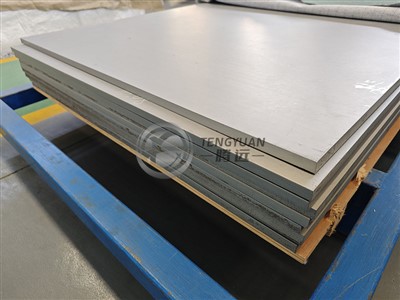
Hey there! As a supplier of GR1 Titanium Plates, I've seen firsthand how contamination during processing can mess things up. In this blog, I'll share some tips on how to prevent the contamination of GR1 Titanium Plates during processing.
Understanding the Risks of Contamination
Before we dive into prevention methods, let's talk about why contamination is such a big deal. GR1 Titanium Plates are known for their excellent corrosion resistance, high strength - to - weight ratio, and biocompatibility. However, when they get contaminated during processing, these properties can be compromised.
Contamination can come from various sources. It could be in the form of foreign particles like dust, dirt, or metal shavings from other materials. Chemical contamination is also a concern, such as exposure to certain acids or alkalis that can react with the titanium surface. Even improper handling can lead to contamination, for example, when hands with oils or other substances touch the plates.
Pre - processing Precautions
Clean Storage
First off, proper storage is crucial. When the GR1 Titanium Plates arrive at our facility, we make sure to store them in a clean and dry environment. A dedicated storage area with controlled humidity and temperature is ideal. This helps prevent the formation of rust or other contaminants on the surface. We also use racks or pallets to keep the plates off the ground, reducing the risk of picking up dirt or debris.
Surface Inspection
Before starting any processing, a thorough surface inspection is a must. We visually check the plates for any visible signs of damage, scratches, or existing contaminants. If we find any issues, we take appropriate measures, like cleaning the affected area or even rejecting the plate if the damage is too severe. This step ensures that only high - quality plates enter the processing stage.
Processing - stage Prevention
Equipment Cleaning
The equipment used for processing GR1 Titanium Plates needs to be clean. All cutting tools, grinding wheels, and machining centers should be thoroughly cleaned before use. We use specialized cleaning agents that are safe for titanium. For example, we'll use a mild detergent to remove any grease or oil from the equipment, followed by a rinse with clean water and a dry - off with a lint - free cloth. This helps prevent cross - contamination between different batches of plates.
Isolation from Other Materials
During processing, it's important to isolate the GR1 Titanium Plates from other materials. For instance, if we're using a multi - purpose machining center, we make sure to clean the area thoroughly after processing other metals before starting on the titanium plates. We also use dedicated fixtures and jigs for titanium processing to avoid any contact with materials that could contaminate the plates.
Protective Coatings
Applying a temporary protective coating can be a great way to prevent contamination. There are various types of coatings available, such as wax - based or polymer - based coatings. These coatings act as a barrier between the plate and the environment during processing. They can protect the plate from dust, moisture, and some chemical contaminants. After processing, the coating can be easily removed without leaving any residue on the plate.
Handling and Transportation
Gloves and Clean Tools
When handling GR1 Titanium Plates, we always wear clean gloves. Latex or nitrile gloves are commonly used because they don't leave behind oils or other contaminants. All tools used for handling, like hoists, clamps, and tongs, are also kept clean. We regularly clean these tools to prevent the transfer of dirt or other substances to the plates.
Packaging
Proper packaging is essential for protecting the plates during transportation and further handling. We use plastic sheeting or paper wraps to cover the plates. This not only protects them from physical damage but also from environmental contaminants. For larger orders, we may use custom - made wooden crates lined with protective materials to ensure the plates arrive at the customer's site in perfect condition.


Post - processing Checks
Final Cleaning
After all the processing is done, a final cleaning is carried out. We use a combination of ultrasonic cleaning and rinsing with deionized water. Ultrasonic cleaning helps remove any small particles or contaminants that may have adhered to the surface during processing. The deionized water rinse ensures that no cleaning agents are left on the plate.
Quality Assurance
We conduct a final quality assurance check. This includes both visual inspection and some non - destructive testing methods. We use techniques like eddy - current testing to detect any hidden contaminants or defects in the plate. Only plates that pass these strict quality checks are sent to our customers.
Related Products
If you're interested in other types of titanium plates, we also offer GR2 Titanium Plates for Corrosion Resistant, GR2 Titanium Plates for Ships, and GR2 Titanium Plates. These plates have their own unique properties and applications, and we can provide more information upon request.
Conclusion
Preventing the contamination of GR1 Titanium Plates during processing is a multi - step process that requires attention to detail at every stage. From pre - processing precautions to post - processing checks, each step plays a vital role in ensuring the quality of the final product. By following these guidelines, we can provide our customers with high - quality GR1 Titanium Plates that meet their requirements.
If you're in the market for GR1 Titanium Plates or have any questions about our products and services, don't hesitate to reach out. We're always here to help you with your procurement needs and have in - depth discussions about your specific requirements.
References
- ASM Handbook Volume 2: Properties and Selection: Nonferrous Alloys and Special - Purpose Materials
- Titanium: A Technical Guide, Second Edition by David Eylon