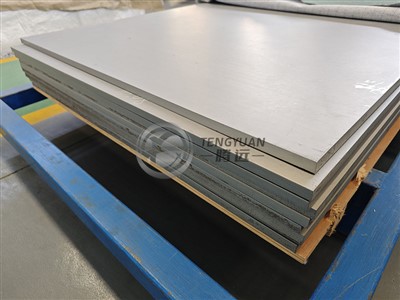
In the realm of industrial materials, titanium alloy plates stand out for their remarkable properties such as high strength, low density, and excellent corrosion resistance. These attributes make them indispensable in various sectors, including aerospace, marine, and chemical industries. However, the market is rife with counterfeit products, which can pose significant risks to projects and safety. As a trusted titanium alloy plates supplier, I understand the importance of being able to distinguish genuine from fake titanium alloy plates. In this blog, I will share some practical methods and insights to help you make informed decisions when purchasing these materials.
Understanding Titanium Alloy Plates
Before delving into the identification methods, it's crucial to have a basic understanding of titanium alloy plates. Titanium alloys are mixtures of titanium with other chemical elements, which are designed to enhance specific properties for different applications. For example, GR12 Titanium Plates for Ships are formulated to withstand the harsh marine environment, offering excellent corrosion resistance and high strength-to-weight ratio. Similarly, GR12 Titanium Plates for Chemical Industry are engineered to resist corrosion from various chemicals, ensuring long-term durability in chemical processing plants. And GR12 Titanium Plates for Corrosion Resistant are widely used in applications where corrosion protection is of utmost importance.
Visual Inspection
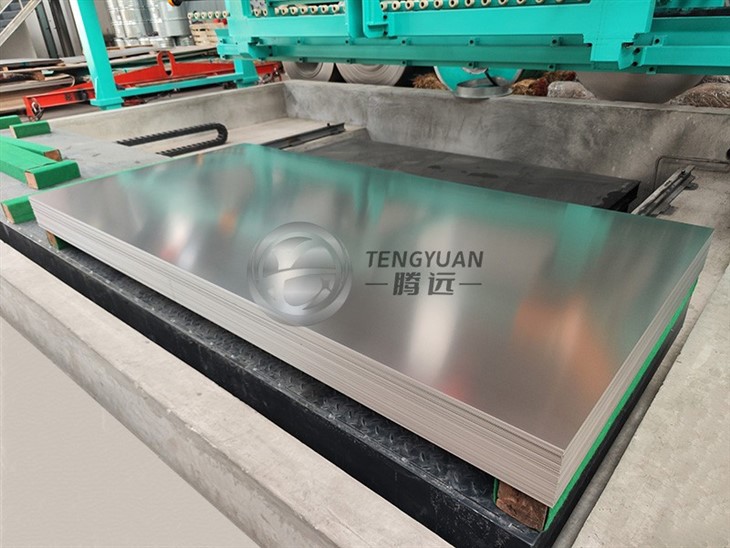
One of the simplest ways to start distinguishing genuine and fake titanium alloy plates is through visual inspection. Genuine titanium alloy plates typically have a smooth and uniform surface finish. The color of pure titanium is a distinctive silver-gray, which may vary slightly depending on the alloy composition and surface treatment. If the plate has a rough surface, visible cracks, or an inconsistent color, it could be a sign of a counterfeit product.
Additionally, look for any signs of poor manufacturing, such as uneven edges or misaligned markings. Reputable manufacturers usually stamp their products with clear and precise markings, including the alloy grade, thickness, and production batch number. These markings should be legible and consistent with the product specifications. If the markings are模糊 (oops, that's a Chinese word, let me correct it - unclear) or easily removable, it's likely that the plate is not genuine.
Density Test
Titanium alloy plates have a specific density range, which can be used as a reliable indicator of their authenticity. The density of pure titanium is approximately 4.5 g/cm³, and the density of titanium alloys may vary slightly depending on the alloying elements. To perform a density test, you will need a scale and a container filled with water.
First, weigh the titanium alloy plate accurately. Then, carefully submerge the plate in the water and measure the volume of water displaced. The density can be calculated by dividing the mass of the plate by the volume of water displaced. Compare the calculated density with the known density range of the specific titanium alloy. If the measured density deviates significantly from the standard range, it could indicate that the plate is either a counterfeit or has an incorrect alloy composition.
Chemical Analysis
Chemical analysis is a more accurate and reliable method for determining the authenticity of titanium alloy plates. This method involves analyzing the chemical composition of the plate to ensure that it contains the correct alloying elements in the right proportions. There are several techniques available for chemical analysis, including spectroscopy and wet chemical analysis.
Spectroscopy is a non-destructive method that uses light to analyze the elemental composition of the material. It can quickly and accurately identify the presence and concentration of different elements in the titanium alloy. Wet chemical analysis, on the other hand, involves dissolving a small sample of the plate in a chemical solution and analyzing the resulting solution using various chemical techniques. This method is more time-consuming and destructive but provides more detailed information about the chemical composition.

It's important to note that chemical analysis requires specialized equipment and expertise. Therefore, it's recommended to send the sample to a certified laboratory for analysis. The laboratory will provide a detailed report of the chemical composition, which can be used to verify the authenticity of the titanium alloy plate.
Hardness Test
Hardness is another important property of titanium alloy plates, which can be used to distinguish genuine from fake products. Genuine titanium alloy plates have a specific hardness range, which is determined by the alloy composition and heat treatment. A hardness test can be performed using a hardness tester, such as a Rockwell or Brinell hardness tester.
To perform a hardness test, the tester applies a specific load to the surface of the titanium alloy plate using an indenter. The depth of the indentation is then measured, and the hardness value is calculated based on the applied load and the size of the indentation. Compare the measured hardness value with the known hardness range of the specific titanium alloy. If the hardness value is significantly different from the standard range, it could indicate that the plate is either a counterfeit or has been heat-treated incorrectly.
Manufacturer Reputation
One of the most effective ways to ensure the authenticity of titanium alloy plates is to purchase them from a reputable manufacturer. Reputable manufacturers have strict quality control measures in place to ensure that their products meet the highest standards of quality and performance. They also provide detailed product documentation, including certificates of conformity and test reports, which can be used to verify the authenticity of the products.
Before purchasing titanium alloy plates, do some research on the manufacturer's reputation. Look for customer reviews and testimonials, and check if the manufacturer has any certifications or awards for quality and excellence. You can also contact the manufacturer directly to inquire about their production processes and quality control measures.
Conclusion
Distinguishing genuine and fake titanium alloy plates is crucial for ensuring the safety and performance of your projects. By using a combination of visual inspection, density test, chemical analysis, hardness test, and considering the manufacturer's reputation, you can make an informed decision when purchasing these materials.
As a trusted titanium alloy plates supplier, I am committed to providing high-quality products that meet the strictest industry standards. If you have any questions or need further assistance in distinguishing genuine and fake titanium alloy plates, or if you are interested in purchasing our products, please feel free to contact us for a detailed discussion and procurement negotiation.
References
- "Titanium: A Technical Guide" by John C. Williams
- "Handbook of Titanium Alloys" edited by Yuri Estrin, M. A. Meyers, and Yuntian T. Zhu
- Industry standards and specifications for titanium alloy plates