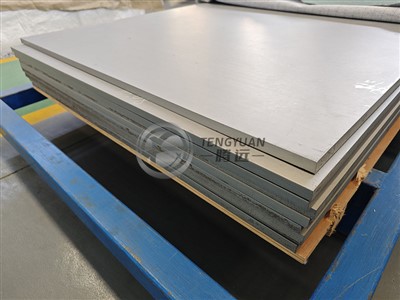
Hey there! As a supplier of GR12 Titanium Plates, I often get asked if these plates can be used in the construction industry. Well, let's dive right into it and find out!
First off, what exactly are GR12 Titanium Plates? GR12 titanium is an alloy that contains about 0.3% molybdenum and 0.8% nickel. This unique combination gives it some pretty awesome properties. It has excellent corrosion resistance, especially in environments where there are chlorides present. It also has good weldability and formability, which are important factors when considering its use in construction.
Corrosion Resistance in Construction
One of the biggest challenges in the construction industry is dealing with corrosion. Buildings and structures are constantly exposed to the elements, including rain, snow, and humidity. In coastal areas, the presence of salt in the air can accelerate the corrosion process. This is where GR12 Titanium Plates shine.
The corrosion resistance of GR12 titanium makes it a great choice for construction projects in harsh environments. For example, in buildings near the ocean, the plates can be used for exterior cladding, roofing, or even structural components. They won't rust or corrode like traditional steel or iron, which means they'll last longer and require less maintenance. You can check out more about GR12 Titanium Plates for Corrosion Resistant on our website.
Strength and Durability
In addition to its corrosion resistance, GR12 titanium also has good strength and durability. It has a high strength - to - weight ratio, which means that it can support heavy loads while being relatively lightweight. This is beneficial in construction because it can reduce the overall weight of the structure, which in turn can save on foundation costs.
For high - rise buildings, using GR12 Titanium Plates in the structural framework can help distribute the weight more evenly and make the building more stable. They can also withstand high winds and seismic activity, providing an extra layer of safety for the occupants.
Weldability and Formability
Another advantage of GR12 Titanium Plates in construction is their weldability and formability. Welding is a common process in construction, and the ability to weld the plates easily is crucial. GR12 titanium can be welded using standard welding techniques, which makes it convenient for construction workers.
Formability is also important because it allows the plates to be shaped into different forms according to the design requirements of the building. Whether it's curved facades or complex architectural features, GR12 Titanium Plates can be formed to fit the vision of the architects.

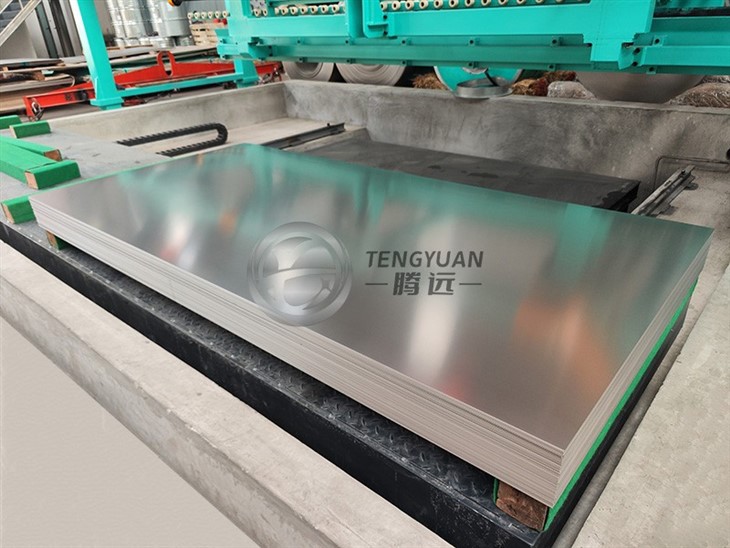
Applications in Construction
Now, let's talk about some specific applications of GR12 Titanium Plates in the construction industry.
Bridges
Bridges are constantly exposed to the elements and heavy traffic loads. GR12 titanium can be used for bridge decks, girders, and other structural components. Its corrosion resistance ensures that the bridge will last longer, and its strength can handle the weight of vehicles passing over it.
Architectural Features
As mentioned earlier, GR12 Titanium Plates can be used for exterior cladding and roofing. They can give a building a modern and sleek look. The plates can be finished in different ways, such as polished or brushed, to achieve the desired aesthetic effect. You can find more details about GR12 Titanium Plates on our site.
Marine - Related Construction
In ports and marinas, where there is a high concentration of saltwater, GR12 titanium is an ideal material for constructing docks, piers, and seawalls. It can resist the corrosive effects of saltwater and provide long - term stability. Check out GR12 Titanium Plates for Ships to understand its suitability in marine - related applications.
Cost Considerations
Of course, one of the things that might hold back the widespread use of GR12 Titanium Plates in construction is the cost. Titanium is generally more expensive than traditional construction materials like steel and concrete. However, when you consider the long - term benefits, such as reduced maintenance costs and longer lifespan, the initial investment can be justified.
In some high - end construction projects where quality and durability are top priorities, the use of GR12 Titanium Plates can add value to the building. It can also be a selling point for commercial buildings, as it shows that the building is built to last.
Conclusion
So, can GR12 Titanium Plates be used in the construction industry? Absolutely! With their excellent corrosion resistance, strength, weldability, and formability, they have a lot to offer in terms of construction applications. From bridges to architectural features, these plates can enhance the quality and longevity of buildings.
If you're involved in a construction project and are considering using GR12 Titanium Plates, I encourage you to reach out to us. We can provide you with detailed information about our products, including specifications, pricing, and availability. Let's have a chat and see how we can work together to make your construction project a success!
References
- ASM Handbook Volume 2: Properties and Selection: Nonferrous Alloys and Special - Purpose Materials.
- Titanium: A Technical Guide, Second Edition.