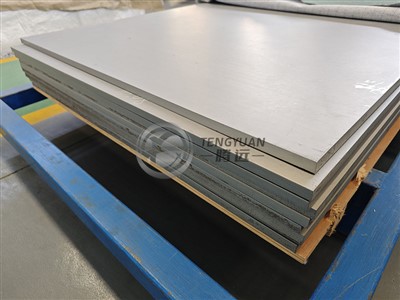
As a supplier of GR5 Titanium Plates, I understand the importance of maintaining the quality and appearance of these high - performance materials. GR5 Titanium Plates, also known as Ti - 6Al - 4V, are widely used in various industries such as aerospace, medical, and automotive due to their excellent strength - to - weight ratio, corrosion resistance, and biocompatibility. However, like any other metal product, they require proper cleaning to ensure optimal performance and longevity. In this blog, I will share some effective methods on how to clean GR5 titanium plates.
Understanding the Surface Contaminants
Before diving into the cleaning process, it's essential to understand the types of contaminants that can accumulate on GR5 titanium plates. These contaminants can range from simple dust and dirt to more stubborn substances such as grease, oil, and oxidation products.
Dust and dirt are the most common contaminants, which can be easily removed with basic cleaning methods. Grease and oil, on the other hand, are often introduced during the manufacturing, handling, or usage processes. Oxidation products can form over time, especially when the plates are exposed to high temperatures or corrosive environments. Understanding the nature of these contaminants will help you choose the most appropriate cleaning method.
Pre - Cleaning Inspection
Before starting the cleaning process, it's crucial to conduct a thorough inspection of the GR5 titanium plates. Look for any visible damage, scratches, or signs of corrosion. If there are any deep scratches or severe corrosion, it may be necessary to consult a professional for further treatment. Additionally, note the location and type of contaminants on the plates. This information will guide you in selecting the right cleaning agents and techniques.
Basic Cleaning with Mild Detergent
For light dirt and dust, a simple cleaning with mild detergent and water can be sufficient. Start by preparing a solution of mild detergent in warm water. Make sure the detergent is non - abrasive and does not contain any harsh chemicals that could damage the titanium surface.
Dip a soft, lint - free cloth or sponge into the detergent solution and gently wipe the surface of the GR5 titanium plates. Work in small sections, applying light pressure to remove the dirt. Avoid using excessive force as it may cause scratches. After wiping the entire surface, rinse the plates thoroughly with clean water to remove any remaining detergent residue.
Removing Grease and Oil
Grease and oil can be more challenging to remove than dust and dirt. In such cases, you can use a specialized degreaser. There are many commercial degreasers available on the market that are specifically formulated for cleaning metal surfaces.
Before applying the degreaser, test it on a small, inconspicuous area of the plate to ensure it does not cause any discoloration or damage. Once you've confirmed its compatibility, apply the degreaser to a clean, lint - free cloth and gently rub the greasy or oily areas. Allow the degreaser to penetrate the contaminants for a few minutes, then wipe it off with a clean cloth. Rinse the plate thoroughly with water to remove any degreaser residue.
Another effective method for removing grease and oil is using isopropyl alcohol. Isopropyl alcohol is a mild solvent that can dissolve grease and oil without damaging the titanium surface. Apply a small amount of isopropyl alcohol to a cloth and wipe the affected areas. Like with the degreaser, rinse the plate with water after cleaning.
Removing Oxidation Products
Oxidation products on GR5 titanium plates can sometimes be removed using a mild abrasive cleaner. However, it's essential to use caution when using abrasive materials as they can scratch the titanium surface.
Start by selecting a fine - grained abrasive cleaner. You can find these cleaners at most hardware stores. Apply a small amount of the cleaner to a soft cloth and gently rub the oxidized areas in a circular motion. Use light pressure and avoid scrubbing too hard. After removing the oxidation products, rinse the plate thoroughly with water and dry it with a clean, soft cloth.
In some cases, if the oxidation is severe, you may need to use a chemical pickling solution. Chemical pickling should be done in a well - ventilated area and with proper safety equipment, such as gloves and goggles. There are specific pickling solutions available for titanium that can effectively remove oxidation. Follow the manufacturer's instructions carefully when using these solutions.
Ultrasonic Cleaning
Ultrasonic cleaning is a highly effective method for cleaning GR5 titanium plates, especially when dealing with small, intricate parts or hard - to - reach areas. Ultrasonic cleaners use high - frequency sound waves to create tiny bubbles in a cleaning solution. These bubbles collapse near the surface of the plate, creating a scrubbing action that can remove contaminants.
To use an ultrasonic cleaner, fill the tank with an appropriate cleaning solution. You can use a mild detergent or a specialized ultrasonic cleaning solution. Place the GR5 titanium plates in the cleaner and set the appropriate cleaning time and temperature according to the manufacturer's instructions. After the cleaning cycle is complete, remove the plates from the cleaner and rinse them thoroughly with water.
Drying and Post - Cleaning Care
After cleaning the GR5 titanium plates, it's essential to dry them thoroughly to prevent water spots and corrosion. Use a clean, soft, lint - free cloth to dry the plates. Make sure to remove all moisture from the surface, including any crevices or corners.


Once the plates are dry, you can apply a thin layer of protective coating to prevent future contamination and oxidation. There are various types of protective coatings available for titanium, such as clear lacquers or corrosion - resistant sprays. Follow the manufacturer's instructions when applying the coating.
Conclusion
Proper cleaning of GR5 Titanium Plates is essential to maintain their performance and appearance. By understanding the types of contaminants and using the appropriate cleaning methods, you can ensure that your GR5 titanium plates remain in excellent condition for a long time.
If you are interested in purchasing high - quality GR5 Titanium Plates, we also offer GR12 Titanium Plates and GR12 Titanium Plates for Ships. We are committed to providing our customers with the best products and services. If you have any questions or would like to discuss your specific requirements, please feel free to contact us for further procurement negotiations.
References
- ASM Handbook, Volume 2: Properties and Selection: Nonferrous Alloys and Special - Purpose Materials. ASM International.
- Titanium: A Technical Guide. Don Eylon, W. C. Boyer, and G. W. Welsch. ASM International.
- Surface Treatment and Finishing of Titanium and Its Alloys. George E. Totten and Ming - Shin Wei. CRC Press.