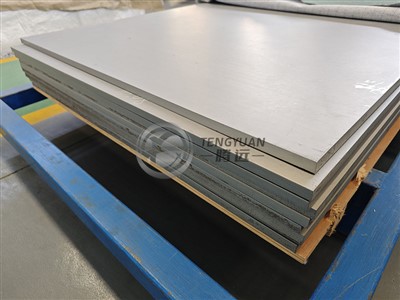
In the realm of industrial materials, GR5 titanium plates stand out as a cornerstone for numerous high - performance applications. As a trusted supplier of GR5 Titanium Plates, I am often asked about the tolerance range for the dimensions of these plates. Understanding these tolerances is crucial for ensuring that the plates meet the exacting requirements of various industries, from aerospace to medical devices.
Understanding GR5 Titanium Plates
GR5 titanium, also known as Ti - 6Al - 4V, is a two - phase alpha + beta titanium alloy. It is renowned for its high strength - to - weight ratio, excellent corrosion resistance, and good weldability. These properties make GR5 titanium plates highly sought after in industries where reliability and performance are non - negotiable. Our GR5 Titanium Plates are produced using state - of - the - art manufacturing processes to guarantee the highest quality and consistency.
Dimensions and Tolerance Basics
When we talk about the dimensions of GR5 titanium plates, we primarily refer to three key aspects: thickness, width, and length. Each of these dimensions has specific tolerance ranges that are determined by industry standards and customer requirements.
Thickness Tolerance
The thickness of GR5 titanium plates can vary depending on the application. In general, for thinner plates (less than 6mm), the thickness tolerance is typically more stringent. According to ASTM B265, the standard specification for titanium and titanium alloy plate, sheet, and strip, the thickness tolerance for plates less than 6mm can be within ± 0.1mm to ± 0.2mm. For thicker plates (6mm - 25mm), the tolerance may increase to ± 0.2mm to ± 0.5mm. For plates thicker than 25mm, the tolerance can range from ± 0.5mm to ± 1mm.
These tolerances are important because they directly affect the mechanical properties and performance of the plates. For example, in aerospace applications, where weight and strength are critical, precise thickness control is essential to ensure that the plates meet the design requirements.
Width Tolerance
The width of GR5 titanium plates also has specific tolerance ranges. For standard widths, the tolerance is usually within ± 1mm to ± 3mm. However, for custom - sized plates, the tolerance may be adjusted based on the manufacturing capabilities and the customer's needs. A tighter width tolerance is often required for applications where the plates need to fit precisely into a specific assembly or structure.
Length Tolerance
Similar to width, the length tolerance of GR5 titanium plates is typically within ± 1mm to ± 5mm. The exact tolerance depends on the length of the plate and the manufacturing process. Longer plates may have a slightly larger tolerance due to the challenges associated with maintaining straightness and dimensional accuracy during production.
Factors Affecting Tolerance Range
Several factors can influence the tolerance range for the dimensions of GR5 titanium plates.
Manufacturing Process
The manufacturing process plays a significant role in determining the achievable tolerance. Processes such as hot rolling, cold rolling, and precision machining can all affect the final dimensions of the plates. Hot rolling, for example, can result in slightly larger tolerances due to the thermal expansion and contraction during the process. On the other hand, cold rolling and precision machining can achieve tighter tolerances but may be more expensive and time - consuming.


Material Properties
The properties of the GR5 titanium alloy itself can also impact the tolerance range. Titanium is a relatively hard and brittle material compared to some other metals. During the manufacturing process, the material's response to deformation and stress can cause variations in the dimensions. For example, if the material is not properly annealed after cold working, it may experience internal stresses that can lead to dimensional changes over time.
Customer Requirements
Ultimately, the customer's requirements are the most important factor in determining the tolerance range. Some industries, such as aerospace and medical, have very strict quality and dimensional requirements. In these cases, we work closely with the customers to understand their specific needs and ensure that the plates are manufactured to meet or exceed their expectations.
Importance of Tolerance Control
Maintaining tight tolerance ranges for the dimensions of GR5 titanium plates is crucial for several reasons.
Quality Assurance
Tight tolerances ensure that the plates meet the required quality standards. This is essential for applications where the performance and reliability of the plates are critical. For example, in the aerospace industry, a single plate with incorrect dimensions can compromise the safety and functionality of an entire aircraft.
Compatibility
Proper tolerance control ensures that the GR5 titanium plates are compatible with other components in an assembly. This is particularly important in industries such as automotive and machinery, where the plates need to fit precisely with other parts to ensure smooth operation.
Cost - Efficiency
While achieving tight tolerances may require more precise manufacturing processes and quality control measures, it can ultimately lead to cost - efficiency. By reducing the need for rework and ensuring that the plates meet the design requirements on the first try, we can save both time and money for our customers.
Other Related Titanium Plates
In addition to GR5 titanium plates, we also offer GR12 Titanium Plates for Corrosion Resistant and GR12 Titanium Plates for Chemical Industry. These plates have their own unique properties and tolerance ranges, which are tailored to their specific applications.
Contact for Purchase and Negotiation
If you are in the market for high - quality GR5 titanium plates or any of our other titanium products, we invite you to contact us. Our team of experts is ready to assist you in selecting the right plates for your application and discussing the specific tolerance requirements. We understand that every project is unique, and we are committed to providing customized solutions that meet your needs. Whether you need standard - sized plates or custom - made products, we have the capabilities and experience to deliver.
References
- ASTM B265, Standard Specification for Titanium and Titanium Alloy Plate, Sheet, and Strip
- Titanium: A Technical Guide, Second Edition by John C. Williams