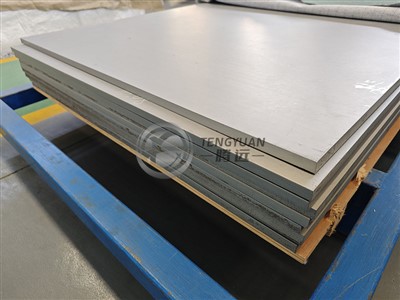
The surface texture of GR1 titanium plates is a crucial aspect that significantly impacts their performance, application, and overall quality. As a trusted supplier of GR1 titanium plates, I am well - versed in the details of their surface characteristics and how they contribute to various industrial uses.
Understanding GR1 Titanium Plates
GR1 titanium plates are made from commercially pure titanium, which is known for its excellent corrosion resistance, high strength - to - weight ratio, and good formability. These plates are widely used in industries such as aerospace, marine, chemical processing, and medical equipment manufacturing. The specific properties of GR1 titanium, combined with its surface texture, make it a preferred choice for many applications. You can learn more about GR1 Titanium Plates on our website.
Factors Influencing Surface Texture
Manufacturing Process
The manufacturing process of GR1 titanium plates plays a vital role in determining their surface texture. The initial step often involves melting and casting the titanium, followed by hot rolling or cold rolling. Hot rolling is typically used to achieve the desired thickness and shape of the plates. During hot rolling, the high temperature can cause the formation of a scale on the surface. This scale is a layer of oxidized titanium that needs to be removed through subsequent processes such as pickling or grinding.
Cold rolling, on the other hand, is used to improve the dimensional accuracy and surface finish of the plates. It can produce a smoother surface compared to hot rolling. After cold rolling, the plates may undergo annealing to relieve internal stresses and further enhance their mechanical properties. The annealing process can also have an impact on the surface texture, as it can change the grain structure of the titanium, which in turn affects the surface appearance.
Surface Treatment
Surface treatment is another key factor that affects the surface texture of GR1 titanium plates. There are several common surface treatment methods, including pickling, polishing, and coating.
Pickling is a chemical process that involves immersing the plates in an acid solution to remove the scale and other impurities from the surface. This process can create a relatively clean and smooth surface. However, the pickling process needs to be carefully controlled to avoid over - etching, which can damage the surface and affect the corrosion resistance of the plates.
Polishing is used to achieve a mirror - like or satin - like finish on the surface of the plates. There are different polishing methods, such as mechanical polishing, chemical polishing, and electrochemical polishing. Mechanical polishing uses abrasive materials to remove the surface irregularities and create a smooth surface. Chemical polishing and electrochemical polishing rely on chemical reactions to dissolve the surface layer and achieve a smooth finish. The choice of polishing method depends on the specific requirements of the application.
Coating can be applied to the surface of GR1 titanium plates to improve their corrosion resistance, wear resistance, or other properties. There are various types of coatings, such as ceramic coatings, polymer coatings, and metal coatings. The coating process can change the surface texture of the plates, depending on the type of coating and the application method.
Characteristics of Different Surface Textures
Smooth Surface
A smooth surface texture is often desired in applications where aesthetics, low friction, or easy cleaning are important. For example, in the medical equipment industry, GR1 titanium plates with a smooth surface are used to manufacture surgical instruments and implants. The smooth surface reduces the risk of bacterial adhesion and makes the instruments easier to clean and sterilize.


In the aerospace industry, smooth - surfaced GR1 titanium plates are used in the construction of aircraft components. The smooth surface reduces air resistance, which can improve the fuel efficiency of the aircraft. Additionally, a smooth surface can enhance the fatigue resistance of the components, as it reduces the stress concentration points on the surface.
Rough Surface
A rough surface texture can be beneficial in some applications. In the marine industry, GR1 Titanium Plates for Ships with a rough surface are used to improve the adhesion of anti - fouling coatings. The rough surface provides more surface area for the coating to adhere to, which can enhance the durability of the coating and protect the ship's hull from corrosion and marine organisms.
In the chemical processing industry, a rough surface can increase the contact area between the titanium plate and the chemical substances, which can improve the reaction efficiency. However, the roughness of the surface needs to be carefully controlled to ensure that it does not cause excessive corrosion or damage to the plates.
Impact of Surface Texture on Performance
Corrosion Resistance
The surface texture of GR1 titanium plates can have a significant impact on their corrosion resistance. A smooth surface is generally more resistant to corrosion than a rough surface, as it reduces the area where corrosive agents can accumulate. However, the surface treatment and the presence of a protective coating can also play an important role in determining the corrosion resistance of the plates. For example, a well - applied coating on a rough - surfaced plate can provide excellent corrosion protection.
Mechanical Properties
The surface texture can also affect the mechanical properties of GR1 titanium plates. A smooth surface can improve the fatigue resistance of the plates, as it reduces the stress concentration points. On the other hand, a rough surface can increase the friction coefficient, which can be beneficial in applications where a high friction is required, such as in some mechanical joints.
Comparison with Other Titanium Grades
Compared with other titanium grades, such as GR2 Titanium Plates for Corrosion Resistant, GR1 titanium plates generally have similar surface texture characteristics. However, GR2 titanium has a slightly higher strength and better corrosion resistance in some environments. The surface treatment and texture requirements may also vary depending on the specific application of each grade.
Application - Specific Surface Texture Requirements
Different applications have different requirements for the surface texture of GR1 titanium plates. In the automotive industry, for example, GR1 titanium plates used in engine components may require a smooth surface to reduce friction and improve the efficiency of the engine. In the architectural industry, the surface texture may be chosen for aesthetic reasons, such as a brushed or polished finish to match the design of the building.
Conclusion
The surface texture of GR1 titanium plates is a complex characteristic that is influenced by the manufacturing process, surface treatment, and application requirements. As a supplier of GR1 titanium plates, we understand the importance of providing plates with the right surface texture to meet the specific needs of our customers. Whether you need a smooth surface for medical applications or a rough surface for marine use, we can offer high - quality GR1 titanium plates with the appropriate surface texture.
If you are interested in purchasing GR1 titanium plates or have any questions about their surface texture and application, please feel free to contact us for a detailed discussion. We are committed to providing you with the best products and services to meet your industrial needs.
References
- ASM Handbook Volume 2: Properties and Selection: Nonferrous Alloys and Special - Purpose Materials
- Titanium: A Technical Guide, Second Edition by J. R. Davis