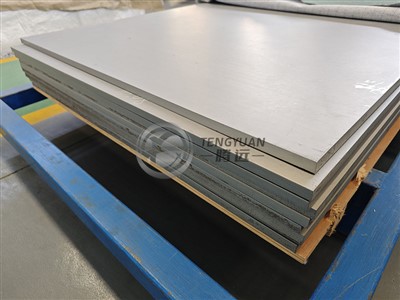
Surface roughness is a critical parameter in the manufacturing and application of GR1 Titanium Plates. As a reliable supplier of GR1 Titanium Plates, I understand the significance of surface roughness in various industries and applications. In this blog, I will delve into what surface roughness is, how it affects GR1 Titanium Plates, and its implications for different sectors.
Understanding Surface Roughness
Surface roughness refers to the irregularities present on the surface of a material. These irregularities can be microscopic peaks and valleys, which are measured in terms of height, spacing, and shape. The surface roughness of a material is typically quantified using parameters such as Ra (arithmetical mean deviation of the assessed profile), Rz (mean height of the profile irregularities), and Rq (root mean square deviation of the assessed profile).
In the case of GR1 Titanium Plates, surface roughness plays a crucial role in determining the plate's performance and functionality. A smooth surface can enhance the corrosion resistance, fatigue strength, and aesthetic appeal of the plates, while a rough surface may lead to issues such as increased friction, reduced wear resistance, and potential for corrosion initiation.
Factors Affecting the Surface Roughness of GR1 Titanium Plates
Several factors can influence the surface roughness of GR1 Titanium Plates during the manufacturing process. One of the primary factors is the machining method used. Different machining processes, such as milling, turning, and grinding, can result in varying levels of surface roughness. For example, grinding generally produces a smoother surface compared to milling or turning.
The cutting tools employed also have a significant impact on surface roughness. High - quality cutting tools with sharp edges can create a smoother surface finish, while dull or worn - out tools may cause more significant surface irregularities. Additionally, the cutting parameters, including cutting speed, feed rate, and depth of cut, need to be carefully optimized to achieve the desired surface roughness.
The material properties of GR1 titanium itself can also affect surface roughness. Titanium is known for its high strength - to - weight ratio and excellent corrosion resistance, but it can be difficult to machine due to its low thermal conductivity and high chemical reactivity. These properties can lead to issues such as built - up edge formation during machining, which can increase surface roughness.
Measuring the Surface Roughness of GR1 Titanium Plates
To ensure the quality of GR1 Titanium Plates, it is essential to accurately measure the surface roughness. There are several methods available for measuring surface roughness, including contact and non - contact methods.
Contact methods involve using a stylus profilometer, which traces the surface of the plate and measures the height variations of the surface profile. This method provides highly accurate measurements but can be time - consuming and may cause damage to the surface in some cases.
Non - contact methods, such as optical profilometry, use light to measure the surface topography. These methods are fast, non - destructive, and can provide detailed 3D information about the surface. However, they may be more expensive and require specialized equipment.
Importance of Surface Roughness in Different Applications
Aerospace Industry
In the aerospace industry, GR1 Titanium Plates are widely used due to their high strength, low weight, and excellent corrosion resistance. Surface roughness is of utmost importance in aerospace applications as it can affect the aerodynamic performance of components. A smooth surface can reduce drag, improving fuel efficiency and overall aircraft performance. Additionally, a smooth surface can enhance the fatigue life of the plates, which is crucial for ensuring the safety and reliability of aerospace structures.
Chemical Industry
For the chemical industry, GR2 Titanium Plates for Chemical Industry and GR1 Titanium Plates are often used in equipment such as reactors, heat exchangers, and storage tanks. Surface roughness can significantly impact the corrosion resistance of these plates. A rough surface provides more sites for corrosion initiation, while a smooth surface can prevent the accumulation of corrosive substances and improve the overall durability of the equipment.
Medical Industry
In the medical field, GR1 Titanium Plates are used in orthopedic implants and dental applications. The surface roughness of these plates can affect the biocompatibility and osseointegration process. A surface with an appropriate level of roughness can promote cell adhesion and growth, which is essential for the successful integration of the implant with the surrounding bone tissue. However, an overly rough surface may cause inflammation and other complications.
Controlling and Optimizing Surface Roughness
As a supplier of GR1 Titanium Plates, we take several measures to control and optimize the surface roughness of our products. We use advanced machining techniques and high - quality cutting tools to ensure a consistent and smooth surface finish. Our manufacturing processes are carefully monitored, and we conduct regular quality checks using state - of - the - art measurement equipment.


We also work closely with our customers to understand their specific requirements for surface roughness. Depending on the application, we can adjust our manufacturing processes to achieve the desired surface finish. For example, if a customer requires a very smooth surface for a high - precision aerospace component, we can use additional finishing operations such as polishing or lapping.
Comparison with Other Titanium Grades
When comparing GR1 Titanium Plates with other grades, such as GR2 Titanium Plates for Corrosion Resistant, the surface roughness requirements may vary depending on the application. GR2 titanium has slightly higher strength and different chemical composition compared to GR1. In some applications where higher strength is required, the surface roughness requirements may be more relaxed, as long as the overall performance of the plate is not compromised. However, in applications where corrosion resistance is the primary concern, a smooth surface finish is equally important for both grades.
Conclusion
In conclusion, the surface roughness of GR1 Titanium Plates is a critical factor that can significantly impact their performance and suitability for various applications. As a supplier, we are committed to providing high - quality GR1 Titanium Plates with optimal surface roughness. By understanding the factors affecting surface roughness, using appropriate measurement methods, and implementing strict quality control measures, we ensure that our products meet the highest standards.
If you are in need of GR1 Titanium Plates for your specific application, we invite you to contact us for a detailed discussion and to explore the best solutions for your requirements. Our team of experts is ready to assist you in finding the right products with the ideal surface finish.
References
- ASME B46.1 - 2009, "Surface Texture (Surface Roughness, Waviness, and Lay)"
- ISO 4287:1997, "Geometrical Product Specifications (GPS) - Surface texture: Profile method - Terms, definitions and surface texture parameters"
- "Titanium: A Technical Guide" by J. R. Davis