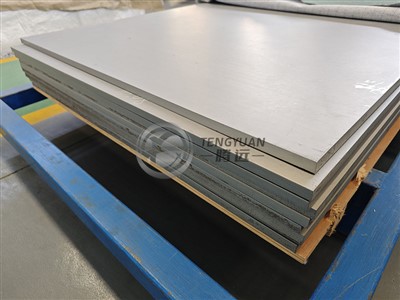
Radiographic inspection is a critical quality control measure in the production and supply of GR1 Titanium Plates. As a trusted supplier of GR1 Titanium Plates, I understand the importance of adhering to strict radiographic inspection standards to ensure the quality and reliability of our products. In this blog post, I will delve into the radiographic inspection standards for GR1 Titanium Plates, explaining why they are essential and how they contribute to the overall quality of the plates.
Why Radiographic Inspection for GR1 Titanium Plates?
GR1 Titanium Plates are widely used in various industries, including the chemical industry, shipbuilding, and applications requiring high corrosion resistance. GR1 Titanium Plates for Chemical Industry are often exposed to harsh chemical environments, while GR2 Titanium Plates for Ships need to withstand the corrosive effects of seawater. Ensuring the integrity of these plates is crucial to prevent failures that could lead to significant safety hazards and economic losses.
Radiographic inspection is a non - destructive testing (NDT) method that uses X - rays or gamma rays to penetrate the titanium plates. This allows inspectors to detect internal flaws such as cracks, porosity, and inclusions that may not be visible on the surface. By identifying these defects early in the production process, we can take corrective actions to ensure that only high - quality plates are delivered to our customers.
International Standards for Radiographic Inspection
There are several international standards that govern the radiographic inspection of GR1 Titanium Plates. One of the most widely recognized standards is ASTM E94, which provides general requirements for radiographic testing. This standard covers the basic principles of radiographic testing, including the equipment used, the techniques for image production, and the requirements for personnel qualification.
Another important standard is ISO 17636, which is a European standard for radiographic testing of welds in metallic materials. Although GR1 Titanium Plates may not always involve welding, this standard can still be relevant when inspecting plates with welded joints or when the plates are used in welded structures. ISO 17636 specifies the requirements for image quality, defect evaluation, and the acceptance criteria for radiographic inspection.
Key Elements of Radiographic Inspection Standards
Image Quality
The quality of the radiographic image is crucial for accurate defect detection. Standards such as ASTM E94 and ISO 17636 define the requirements for image quality indicators (IQIs). IQIs are devices that are placed on the surface of the titanium plate during the radiographic inspection. They help to ensure that the image has sufficient contrast, sharpness, and sensitivity to detect small defects.
The size and type of IQI used depend on the thickness of the titanium plate and the specific requirements of the inspection. For example, for thinner GR1 Titanium Plates, a finer - grained IQI may be used to detect smaller defects. The IQI must be clearly visible on the radiographic image, and its position and orientation must comply with the standard requirements.


Defect Evaluation
Once the radiographic image is obtained, the next step is to evaluate the defects. Standards provide guidelines on how to classify and measure different types of defects. For example, cracks are typically considered more serious than porosity or inclusions. The size, shape, and location of the defect also play a role in determining its severity.
Standards define the acceptance criteria for different types of defects. In general, the acceptance criteria are based on the intended use of the GR1 Titanium Plates. For applications where safety is of utmost importance, such as in the aerospace or nuclear industries, the acceptance criteria for defects may be more stringent compared to less critical applications.
Personnel Qualification
The personnel conducting the radiographic inspection must be qualified and certified. Standards such as ASTM E94 and ISO 9712 specify the requirements for personnel qualification in non - destructive testing. These requirements typically include a combination of theoretical knowledge, practical training, and experience.
Qualified inspectors are trained to operate the radiographic equipment correctly, interpret the radiographic images accurately, and apply the relevant standards and acceptance criteria. They must also be aware of the safety procedures associated with radiographic testing, as X - rays and gamma rays can be harmful if not handled properly.
Our Commitment to Quality
As a supplier of GR1 Titanium Plates for Corrosion Resistant, we are committed to meeting and exceeding the radiographic inspection standards. We have a state - of - the - art inspection facility equipped with the latest radiographic testing equipment. Our inspectors are highly qualified and regularly undergo training to stay updated with the latest industry standards and techniques.
Before delivering any GR1 Titanium Plates to our customers, we conduct thorough radiographic inspections to ensure that the plates are free from any internal defects. We also provide detailed inspection reports to our customers, which include information about the inspection method, the results, and the compliance with the relevant standards.
Conclusion
Radiographic inspection is an essential part of the quality control process for GR1 Titanium Plates. By adhering to international standards such as ASTM E94 and ISO 17636, we can ensure that our plates meet the highest quality and safety requirements. Whether you need GR1 Titanium Plates for the chemical industry, shipbuilding, or corrosion - resistant applications, you can trust us to provide you with high - quality products.
If you are interested in purchasing GR1 Titanium Plates or have any questions about our products and the radiographic inspection process, please feel free to contact us. We are always ready to assist you with your procurement needs and provide you with the best solutions for your projects.
References
- ASTM E94 - Standard Practice for Radiographic Testing
- ISO 17636 - Non - destructive testing of welds — Radiographic testing
- ISO 9712 - Non - destructive testing — Qualification and certification of personnel