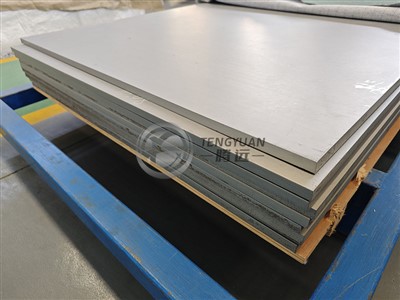
What is the Hardness of GR1 Titanium Welding Wire?
As a supplier of GR1 Titanium Welding Wire, I've received numerous inquiries regarding its hardness. This topic is crucial for customers as the hardness of the welding wire significantly impacts its performance in various applications. In this blog, I'll delve into the details of the hardness of GR1 Titanium Welding Wire, exploring its influencing factors and practical implications.
GR1 Titanium Welding Wire is a widely used industrial material known for its excellent corrosion resistance, high strength - to - weight ratio, and good weldability. Before discussing its hardness, it's important to understand the nature of GR1 titanium. GR1 is an unalloyed titanium grade, which means it consists mainly of titanium with only a small amount of impurities. This purity gives it unique properties compared to alloyed titanium grades.
The hardness of GR1 Titanium Welding Wire is typically measured using standard hardness testing methods such as the Rockwell hardness test or the Brinell hardness test. In general, the hardness of GR1 titanium can range from approximately 130 - 180 HV (Vickers hardness). This relatively low hardness is one of the characteristics that make GR1 titanium suitable for many applications, especially those where formability and ease of machining are important.
One of the key factors influencing the hardness of GR1 Titanium Welding Wire is its chemical composition. Although GR1 is an unalloyed grade, the presence of trace elements can have an impact on its hardness. For example, small amounts of oxygen, nitrogen, and carbon can increase the hardness of titanium. Oxygen, in particular, has a significant effect. As the oxygen content in GR1 titanium increases, the hardness also tends to rise. This is because oxygen atoms can dissolve in the titanium lattice, causing lattice distortion and increasing the resistance to deformation.
The processing history of the GR1 Titanium Welding Wire also plays a vital role in determining its hardness. During the manufacturing process, operations such as hot rolling, cold drawing, and annealing can alter the microstructure of the wire, thereby affecting its hardness. For instance, cold drawing involves deforming the wire at room temperature, which can work - harden the material. This process increases the dislocation density within the titanium, making it more difficult for the material to deform and thus increasing its hardness. On the other hand, annealing is a heat - treatment process that can relieve internal stresses and recrystallize the microstructure, leading to a decrease in hardness and an improvement in ductility.
When it comes to welding applications, the hardness of GR1 Titanium Welding Wire can have several implications. In some cases, a lower hardness is desirable as it allows for better fusion with the base metal during welding. This is particularly important when welding GR1 titanium to itself or to other similar - grade titanium materials. A wire with appropriate hardness ensures a smooth and defect - free weld joint. However, in certain high - stress applications, a slightly higher hardness might be preferred to enhance the strength and wear resistance of the weld.
Comparing GR1 Titanium Welding Wire with GR2 Titanium Welding Wire, GR2 is a slightly higher - strength grade. GR2 titanium generally has a higher hardness compared to GR1, typically ranging from about 160 - 210 HV. The difference in hardness between GR1 and GR2 is mainly due to the slightly higher content of interstitial elements in GR2. This makes GR2 more suitable for applications where higher strength and hardness are required, such as in some aerospace and marine components.
In practical applications, the choice between GR1 Titanium Welding Wire and GR2 depends on the specific requirements of the project. If the application demands high formability, corrosion resistance, and relatively low hardness, GR1 is the better option. For example, in the chemical processing industry, where corrosion resistance is crucial and parts often need to be formed into complex shapes, GR1 Titanium Welding Wire is widely used. Conversely, if the application requires higher strength and hardness, such as in structural components in the automotive or aerospace industries, GR2 Titanium Welding Wire might be more appropriate.
It's also important to note that the hardness of the welded joint can be different from that of the original welding wire. During the welding process, the heat input can cause changes in the microstructure of the welded area. The rapid heating and cooling cycles can lead to the formation of different phases and microstructures, which can either increase or decrease the hardness of the joint. Therefore, when using GR1 Titanium Welding Wire for welding, it's necessary to control the welding parameters carefully to achieve the desired hardness and properties in the weld joint.
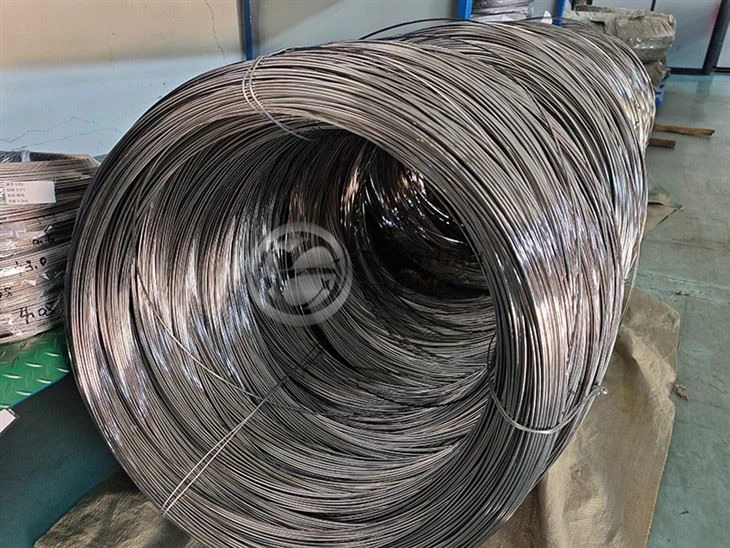

In terms of applications, GR1 Titanium Welding Wire is commonly used in the production of chemical equipment, such as reactors, heat exchangers, and pipelines. Its low hardness and good corrosion resistance make it ideal for these applications, as it can be easily fabricated into the required shapes and can withstand the corrosive environments typically encountered in the chemical industry. Additionally, GR1 titanium is also used in the medical field, for example, in the manufacturing of dental implants and orthopedic devices. The relatively low hardness and biocompatibility of GR1 titanium make it suitable for these applications, where the material needs to be in contact with the human body.
In conclusion, the hardness of GR1 Titanium Welding Wire is a complex characteristic influenced by its chemical composition, processing history, and welding conditions. Understanding the factors that affect the hardness is essential for selecting the right material for specific applications. Whether you're in the chemical, medical, aerospace, or other industries, choosing the appropriate GR1 Titanium Welding Wire based on its hardness can ensure the quality and performance of your products.
If you're interested in learning more about GR1 Titanium Welding Wire or are considering a purchase, please feel free to reach out. We're here to provide you with detailed information and assist you in making the best choice for your project. Whether you need a small quantity for testing or a large - scale supply, we can meet your requirements. Contact us today to start a discussion about your specific needs and how our GR1 Titanium Welding Wire can benefit your business.
References
- "Titanium: A Technical Guide" by John R. Davis.
- ASTM standards related to titanium materials and welding.
- Technical literature from titanium manufacturers and suppliers.