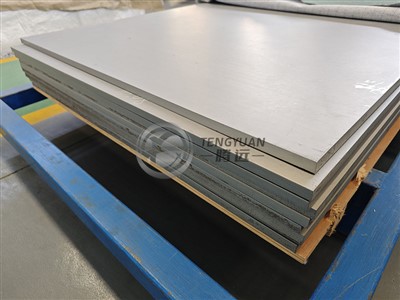
GR2 titanium wire is a popular choice in various industries due to its excellent corrosion resistance, good mechanical properties, and high biocompatibility. As a trusted GR2 titanium wire supplier, I understand the importance of heat treatment processes in enhancing the performance of this material. In this blog post, I will discuss the heat treatment processes for GR2 titanium wire, their effects on the material's properties, and the applications where they are commonly used.
Annealing
Annealing is a heat treatment process used to relieve internal stresses, improve ductility, and refine the grain structure of GR2 titanium wire. This process involves heating the wire to a specific temperature, holding it at that temperature for a certain period, and then slowly cooling it. The annealing temperature for GR2 titanium wire typically ranges from 600°C to 700°C, depending on the desired properties.
During annealing, the internal stresses in the wire are relieved, which reduces the risk of cracking and deformation during further processing. The ductility of the wire is also improved, making it easier to form and shape. Additionally, the grain structure of the wire is refined, which enhances its mechanical properties, such as strength and toughness.
There are two main types of annealing for GR2 titanium wire: full annealing and stress relief annealing. Full annealing involves heating the wire to a temperature above the recrystallization temperature and then slowly cooling it. This process results in a fully recrystallized grain structure and maximum ductility. Stress relief annealing, on the other hand, involves heating the wire to a temperature below the recrystallization temperature and then slowly cooling it. This process relieves internal stresses without significantly changing the grain structure or mechanical properties of the wire.
Solution Treatment
Solution treatment is a heat treatment process used to dissolve the alloying elements in GR2 titanium wire and form a homogeneous solid solution. This process involves heating the wire to a high temperature, typically between 850°C and 950°C, and then rapidly cooling it in water or oil. The rapid cooling, also known as quenching, prevents the alloying elements from precipitating out of the solid solution and maintains the homogeneous structure.
Solution treatment improves the corrosion resistance and mechanical properties of GR2 titanium wire. By dissolving the alloying elements, the wire becomes more resistant to corrosion in various environments. The mechanical properties, such as strength and hardness, are also enhanced due to the formation of a fine-grained structure.
However, solution treatment can also make the wire more brittle. To overcome this, a subsequent aging treatment is often performed. Aging treatment involves heating the solution-treated wire to a lower temperature, typically between 400°C and 600°C, and holding it at that temperature for a certain period. This process allows the alloying elements to precipitate out of the solid solution in a controlled manner, which improves the wire's toughness and ductility.
Aging Treatment
Aging treatment, also known as precipitation hardening, is a heat treatment process used to improve the strength and hardness of GR2 titanium wire. This process involves heating the solution-treated wire to a specific temperature and holding it at that temperature for a certain period to allow the alloying elements to precipitate out of the solid solution. The precipitation of these elements forms fine particles that strengthen the wire.
The aging temperature and time depend on the specific alloy composition and the desired properties of the wire. Generally, the aging temperature ranges from 400°C to 600°C, and the aging time can vary from a few hours to several days. The longer the aging time and the higher the aging temperature, the greater the strength and hardness of the wire.
Aging treatment can significantly improve the mechanical properties of GR2 titanium wire. The strength and hardness of the wire are increased, while the ductility and toughness are slightly reduced. This makes the wire suitable for applications where high strength and hardness are required, such as in aerospace and automotive industries.
Effects of Heat Treatment on GR2 Titanium Wire Properties
The heat treatment processes described above have significant effects on the properties of GR2 titanium wire. Annealing improves the ductility and reduces the internal stresses, making the wire easier to form and shape. Solution treatment enhances the corrosion resistance and mechanical properties by dissolving the alloying elements and forming a homogeneous solid solution. Aging treatment further improves the strength and hardness of the wire by precipitating the alloying elements out of the solid solution.
In addition to these effects, heat treatment can also affect the microstructure of GR2 titanium wire. The grain size, shape, and orientation of the grains can be changed during heat treatment, which in turn affects the mechanical properties of the wire. For example, a fine-grained structure generally results in higher strength and toughness, while a coarse-grained structure may lead to lower strength and ductility.
Applications of Heat-Treated GR2 Titanium Wire
Heat-treated GR2 titanium wire is used in a wide range of applications due to its excellent properties. In the aerospace industry, it is used in the manufacture of aircraft components, such as landing gear, engine parts, and structural components. The high strength, corrosion resistance, and light weight of heat-treated GR2 titanium wire make it an ideal material for these applications.
In the automotive industry, heat-treated GR2 titanium wire is used in the production of exhaust systems, suspension components, and engine parts. The high temperature resistance and corrosion resistance of the wire make it suitable for use in harsh environments.


In the medical industry, heat-treated GR2 titanium wire is used in the manufacture of surgical implants, such as bone screws, plates, and pins. The biocompatibility and corrosion resistance of the wire make it safe for use in the human body.
Conclusion
Heat treatment processes play a crucial role in enhancing the performance of GR2 titanium wire. Annealing, solution treatment, and aging treatment are the main heat treatment processes used for GR2 titanium wire, each with its own unique effects on the material's properties. By carefully selecting the appropriate heat treatment process and parameters, the desired properties of the wire can be achieved, making it suitable for a wide range of applications.
As a GR2 titanium wire supplier, I am committed to providing high-quality heat-treated GR2 titanium wire to meet the diverse needs of my customers. If you are interested in purchasing GR2 Titanium Wire, GR1 Titanium Welding Wire, or GR2 Titanium Welding Wire, please feel free to contact me for more information and to discuss your specific requirements. I look forward to working with you.
References
- Boyer, R. R., Welsch, G., & Collings, E. W. (1994). Materials properties handbook: Titanium alloys. ASM International.
- Davis, J. R. (2000). Titanium and titanium alloys: ASM specialty handbook. ASM International.
- Lütjering, G., & Williams, J. C. (2007). Titanium. Springer Science & Business Media.