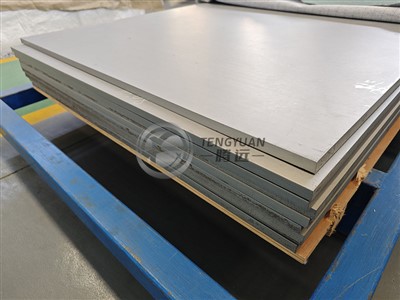
Hey there! I'm a supplier of GR12 Titanium Rods, and I know that transporting these rods safely is super important. In this blog, I'll share some tips on how to do just that.
First off, let's talk a bit about GR12 Titanium Rods. These rods are pretty awesome. They're used in a bunch of different industries, like the chemical industry and the shipbuilding industry. You can check out more about GR12 Titanium Rods for Chemical Industry, GR12 Titanium Rods, and GR12 Titanium Rod for Ships on our website.
Packaging is Key
The first step in safe transportation is proper packaging. GR12 titanium rods are strong, but they can still get damaged if not packed right. You want to use high - quality packaging materials.
For starters, wrap each rod individually in a soft, protective material like foam or bubble wrap. This helps prevent scratches and dents during transit. After wrapping each rod, group them together and place them in a sturdy wooden crate or a metal container. Make sure there's enough padding inside the crate to keep the rods from moving around. You can use sawdust, shredded paper, or foam inserts for this purpose.
If you're transporting a large number of rods, consider using dividers inside the crate to keep each rod separate. This reduces the risk of them rubbing against each other and causing damage. Also, label the crate clearly with information like the type of rods, quantity, and handling instructions.
Loading and Unloading
When it comes to loading the rods onto the transport vehicle, be extra careful. Use proper lifting equipment like cranes or forklifts. Make sure the operators are trained and experienced in handling titanium rods.
When lifting the rods, attach the lifting equipment securely to the rods. Avoid using sharp hooks or clamps that could damage the surface of the rods. Lift the rods slowly and steadily to prevent any sudden movements that could cause them to fall or get damaged.
During unloading, follow the same safety procedures. Inspect the rods immediately after unloading to check for any signs of damage. If you notice any issues, document them right away.
Transportation Mode
The choice of transportation mode also matters a lot. You can choose between road, rail, sea, or air transportation.


Road Transportation
Road transportation is often a convenient option, especially for shorter distances. When using trucks, make sure the truck bed is clean and free of any sharp objects. Secure the crate with the rods using straps or chains to prevent it from shifting during the journey.
Check the weather forecast before setting off. If there's a chance of heavy rain or snow, take extra precautions to protect the rods from moisture. You can cover the truck with a waterproof tarp.
Rail Transportation
Rail transportation is great for long - distance hauls. When using rail, make sure the train car is in good condition. Similar to road transportation, secure the crate properly inside the train car. Railroads can be bumpy, so you want to make sure the rods are well - protected from vibrations.
Sea Transportation
For international shipments, sea transportation is a common choice. When shipping by sea, the rods will be stored in shipping containers. Make sure the container is watertight and in good condition. You may also want to use desiccants inside the container to absorb any moisture and prevent corrosion.
Air Transportation
Air transportation is the fastest option, but it can be more expensive. When shipping by air, the rods need to meet the airline's safety regulations. Make sure the packaging is lightweight but still provides adequate protection. Airlines also have strict rules about the size and weight of the cargo, so make sure you comply with those.
Environmental Conditions
GR12 titanium rods are sensitive to certain environmental conditions. You need to protect them from extreme temperatures, moisture, and chemicals.
Temperature
Extreme heat or cold can affect the properties of the titanium rods. During transportation, try to keep the rods in a temperature - controlled environment as much as possible. If that's not possible, at least avoid exposing them to direct sunlight for long periods or leaving them in freezing temperatures.
Moisture
Moisture can cause corrosion on the surface of the rods. As mentioned earlier, use waterproof packaging and desiccants to keep the rods dry. If the rods do get wet, dry them off as soon as possible to prevent corrosion.
Chemicals
Avoid exposing the rods to chemicals during transportation. Make sure the transport vehicle or container is clean and hasn't been used to transport any corrosive chemicals recently.
Insurance
It's always a good idea to get insurance for your GR12 titanium rods during transportation. Accidents can happen, and having insurance will give you some peace of mind.
When getting insurance, make sure you understand the terms and conditions. Provide accurate information about the value and quantity of the rods to the insurance company. This way, if something does go wrong during transportation, you'll be covered.
Documentation
Keep all the necessary documentation handy during transportation. This includes the bill of lading, packing list, and any certificates related to the quality and origin of the rods.
The bill of lading is an important document that serves as a receipt for the goods and a contract of carriage. Make sure all the information on the bill of lading is accurate. The packing list details the contents of the crate, which is useful for both the transporter and the recipient.
Inspection at Destination
Once the rods reach their destination, conduct a thorough inspection. Check the surface of the rods for scratches, dents, or any signs of corrosion. Measure the dimensions of the rods to make sure they meet the specifications.
If you find any damaged rods, contact the transportation company and your insurance provider right away. Provide them with detailed information and photos of the damage.
Conclusion
Transporting GR12 titanium rods safely requires careful planning and attention to detail. From proper packaging to choosing the right transportation mode and protecting the rods from environmental conditions, every step is crucial.
If you're in the market for high - quality GR12 titanium rods and need advice on transportation or any other aspect, feel free to reach out. We're here to help you ensure that your titanium rods are transported safely and arrive at their destination in perfect condition.
References
- Titanium Alloy Handbook: A comprehensive guide on the properties and handling of titanium alloys.
- Transportation Safety Regulations: Published by relevant transportation authorities for different modes of transportation.
- Industry Best Practices for Titanium Rod Handling and Transportation: Compiled by industry experts and associations.