Proper storage of GR1 Titanium Welding Wire is crucial to maintain its quality and performance. As a supplier of GR1 Titanium Welding Wire, I understand the significance of providing customers with the right guidance on storage. In this blog, I will share some scientific and practical tips on how to store GR1 Titanium Welding Wire properly.
Understanding GR1 Titanium Welding Wire
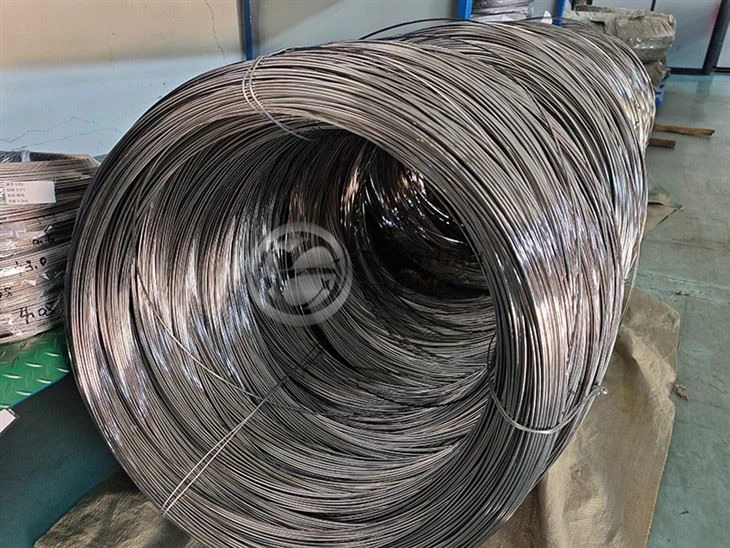
GR1 Titanium Welding Wire is a type of industrial pure titanium wire. It is widely used in various welding applications due to its excellent corrosion resistance, high strength - to - weight ratio, and good weldability. You can find more information about it on our website GR1 Titanium Welding Wire. For comparison, we also offer GR2 Titanium Wire, which has slightly different properties. And our GR1 Titanium Wire can be used in multiple industrial scenarios.
Factors Affecting the Storage of GR1 Titanium Welding Wire
Moisture
Moisture is one of the most significant factors that can damage GR1 Titanium Welding Wire. Titanium has a high affinity for oxygen and hydrogen. When exposed to moisture, the wire can absorb hydrogen, leading to hydrogen embrittlement. This can cause the wire to become brittle and reduce its ductility, which will ultimately affect the quality of the weld. Additionally, moisture can also cause surface oxidation of the wire, forming a layer of titanium oxide. Although titanium oxide can provide some protection, excessive oxidation can still have a negative impact on the welding process.
Temperature
Extreme temperatures can also have adverse effects on GR1 Titanium Welding Wire. High temperatures can accelerate the oxidation process and may even cause the wire to anneal, changing its mechanical properties. On the other hand, very low temperatures can make the wire more brittle. Therefore, it is essential to store the wire in a temperature - controlled environment.
Contamination
Contamination from dirt, oil, grease, or other foreign substances can significantly affect the performance of GR1 Titanium Welding Wire. These contaminants can interfere with the welding arc, cause porosity in the weld, and reduce the overall quality of the joint.
Proper Storage Conditions
Storage Environment
The ideal storage environment for GR1 Titanium Welding Wire is a dry, clean, and well - ventilated area. The relative humidity should be kept below 60%. A humidity - controlled storage room or cabinet is highly recommended. You can use a dehumidifier to maintain the appropriate humidity level. The temperature should be maintained between 10°C and 30°C (50°F and 86°F). Avoid storing the wire in areas prone to temperature fluctuations, such as near heating or cooling vents.
Packaging
The wire should be stored in its original packaging as much as possible. The original packaging is designed to protect the wire from moisture and contamination during transportation and short - term storage. If the original packaging is damaged, transfer the wire to a sealed plastic bag or a metal container. Make sure the container is clean and dry before use.
Storage Racks
Use clean and dry storage racks to store the GR1 Titanium Welding Wire. The racks should be designed to prevent the wire from being damaged or deformed. Avoid stacking the wire too high to prevent crushing. If possible, store the wire in a vertical position to minimize the risk of kinking or tangling.
Handling During Storage
Inspection
Regularly inspect the stored GR1 Titanium Welding Wire for any signs of damage, oxidation, or contamination. Check the packaging for any signs of moisture ingress, such as water stains or mold. If you notice any issues, take appropriate measures immediately, such as cleaning the wire or replacing the packaging.
Rotation
Practice first - in - first - out (FIFO) inventory management. This means using the oldest wire first to ensure that the wire does not exceed its recommended storage time. Although GR1 Titanium Welding Wire can have a relatively long shelf life under proper storage conditions, it is still a good practice to use the oldest stock to maintain consistent quality.

Special Considerations for Long - Term Storage
Coating
For long - term storage, you may consider applying a thin layer of anti - oxidation coating to the wire. This coating can provide an additional layer of protection against oxidation and moisture. However, make sure that the coating is compatible with the welding process and will not cause any issues during welding.
Documentation
Keep detailed records of the storage conditions, including temperature, humidity, and the date of storage. This documentation can be useful for quality control and troubleshooting in case of any welding problems.
Conclusion
Proper storage of GR1 Titanium Welding Wire is essential to ensure its quality and performance. By following the guidelines mentioned above, you can minimize the risk of damage to the wire and achieve high - quality welds. If you have any further questions about the storage or use of GR1 Titanium Welding Wire, or if you are interested in purchasing our products, please feel free to contact us for more information and to start a procurement discussion.
References
- ASM Handbook Volume 6: Welding, Brazing, and Soldering
- Titanium: A Technical Guide, Second Edition by John C. Williams