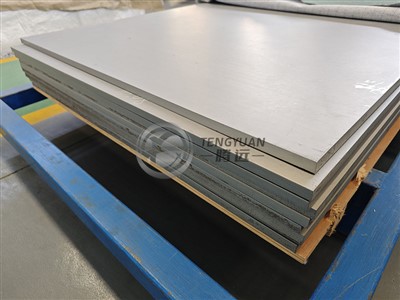
Improving the surface finish of GR1 Titanium Plates is crucial for enhancing their aesthetic appeal, corrosion resistance, and overall performance. As a trusted supplier of GR1 Titanium Plates, we understand the significance of delivering high-quality products with superior surface finishes. In this blog post, we will delve into the various factors that affect the surface finish of GR1 Titanium Plates and explore effective strategies to improve it.
Understanding GR1 Titanium Plates
GR1 Titanium Plates are made from commercially pure titanium, which is known for its excellent corrosion resistance, high strength-to-weight ratio, and biocompatibility. These plates are widely used in various industries, including chemical processing, marine, aerospace, and medical. The surface finish of GR1 Titanium Plates plays a vital role in determining their suitability for specific applications. A smooth and uniform surface finish not only enhances the visual appearance of the plates but also improves their resistance to corrosion and wear.
Factors Affecting Surface Finish
Several factors can influence the surface finish of GR1 Titanium Plates during the manufacturing process. Understanding these factors is essential for implementing effective strategies to improve the surface quality. Here are some key factors to consider:
1. Material Quality
The quality of the raw material used to manufacture GR1 Titanium Plates has a significant impact on the surface finish. High-quality titanium with low levels of impurities and inclusions is more likely to produce plates with a smooth and uniform surface. As a supplier, we source our titanium from reputable manufacturers to ensure the highest quality standards.
2. Manufacturing Process
The manufacturing process used to produce GR1 Titanium Plates can also affect the surface finish. Processes such as hot rolling, cold rolling, and annealing can introduce surface defects such as scratches, pits, and roughness. Proper control of the manufacturing parameters, such as temperature, pressure, and speed, is crucial for minimizing these defects and achieving a high-quality surface finish.


3. Surface Treatment
Surface treatment is an important step in improving the surface finish of GR1 Titanium Plates. Common surface treatment methods include mechanical polishing, chemical etching, and electro-polishing. Each method has its advantages and disadvantages, and the choice of treatment depends on the specific requirements of the application.
4. Environmental Conditions
The environmental conditions during the manufacturing and storage of GR1 Titanium Plates can also affect the surface finish. Exposure to moisture, chemicals, and contaminants can cause corrosion and surface damage. Proper storage and handling procedures, such as using protective coatings and storing the plates in a clean and dry environment, are essential for maintaining the surface quality.
Strategies to Improve Surface Finish
Based on our experience as a GR1 Titanium Plates supplier, we have developed several strategies to improve the surface finish of our products. Here are some effective strategies that you can implement:
1. Select High-Quality Raw Materials
As mentioned earlier, the quality of the raw material is crucial for achieving a high-quality surface finish. When selecting titanium for your GR1 Titanium Plates, choose a supplier that offers high-purity titanium with low levels of impurities and inclusions. This will help minimize surface defects and ensure a smooth and uniform surface.
2. Optimize the Manufacturing Process
Optimizing the manufacturing process is essential for improving the surface finish of GR1 Titanium Plates. This includes controlling the temperature, pressure, and speed during hot rolling, cold rolling, and annealing processes. Additionally, using high-quality tools and equipment can help minimize surface defects and achieve a more precise surface finish.
3. Implement Proper Surface Treatment
Surface treatment is an effective way to improve the surface finish of GR1 Titanium Plates. Mechanical polishing is a common method used to remove surface defects and achieve a smooth and shiny surface. Chemical etching can be used to create a uniform texture on the surface, while electro-polishing can further enhance the smoothness and corrosion resistance of the plates.
4. Control Environmental Conditions
Controlling the environmental conditions during the manufacturing and storage of GR1 Titanium Plates is crucial for maintaining the surface quality. This includes storing the plates in a clean and dry environment, using protective coatings to prevent corrosion, and avoiding exposure to moisture, chemicals, and contaminants.
5. Conduct Quality Control Checks
Regular quality control checks are essential for ensuring the surface finish of GR1 Titanium Plates meets the required standards. This includes visual inspection, surface roughness measurement, and corrosion resistance testing. By conducting these checks at various stages of the manufacturing process, you can identify and address any surface defects before the plates are shipped to the customer.
Applications of GR1 Titanium Plates
GR1 Titanium Plates are widely used in various industries due to their excellent properties and high surface finish. Here are some common applications of GR1 Titanium Plates:
1. Chemical Industry
GR1 Titanium Plates are highly resistant to corrosion, making them ideal for use in the chemical industry. They are commonly used in the construction of chemical processing equipment, such as reactors, heat exchangers, and storage tanks. For more information about GR1 Titanium Plates for Chemical Industry, please visit our website.
2. Marine Industry
The marine environment is highly corrosive, and GR1 Titanium Plates are well-suited for use in marine applications. They are commonly used in the construction of ship hulls, offshore platforms, and marine equipment. GR2 Titanium Plates for Ships are also available for specific marine applications.
3. Aerospace Industry
GR1 Titanium Plates are lightweight and have high strength-to-weight ratio, making them ideal for use in the aerospace industry. They are commonly used in the construction of aircraft components, such as wings, fuselages, and engine parts.
4. Medical Industry
GR1 Titanium Plates are biocompatible, which means they are well-tolerated by the human body. They are commonly used in the medical industry for the manufacture of medical implants, such as dental implants, bone plates, and joint replacements.
Conclusion
Improving the surface finish of GR1 Titanium Plates is essential for enhancing their performance and suitability for various applications. By understanding the factors that affect the surface finish and implementing effective strategies to improve it, you can ensure the highest quality standards for your products. As a trusted supplier of GR1 Titanium Plates, we are committed to providing our customers with high-quality products that meet their specific requirements. If you are interested in purchasing GR1 Titanium Plates or have any questions about our products, please feel free to contact us for a quote or to discuss your needs. We look forward to working with you.
References
- ASM Handbook, Volume 2: Properties and Selection: Nonferrous Alloys and Special-Purpose Materials
- Titanium: A Technical Guide, Second Edition by John C. Williams
- Corrosion Resistance of Titanium by George E. Totten and M. Ashraf Imam