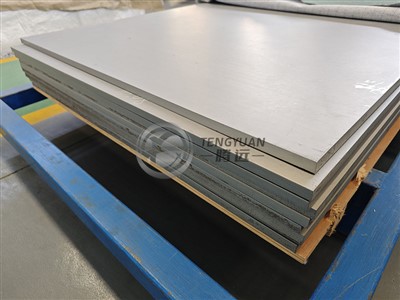
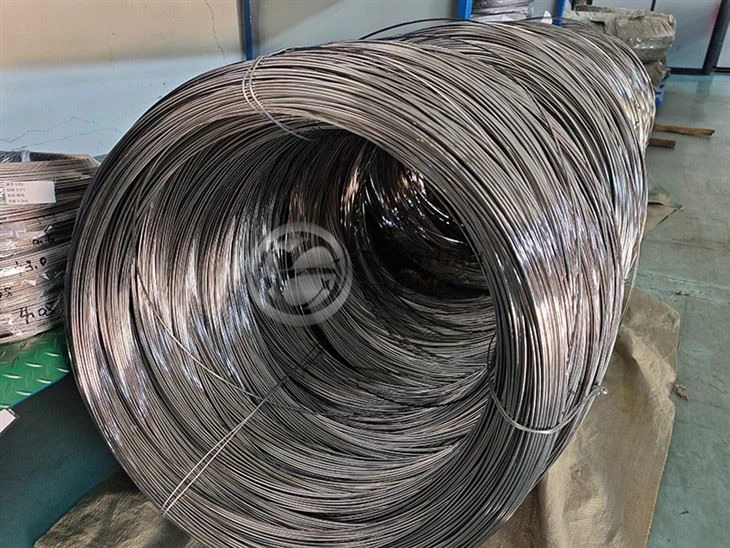
As a supplier of GR2 Titanium Wire, ensuring the safety of this high - quality product during transportation is of utmost importance to me. GR2 Titanium Wire, known for its excellent corrosion resistance, good ductility, and high strength - to - weight ratio, is widely used in various industries such as aerospace, medical, and chemical processing. Any damage during transportation can lead to significant losses for both my company and our customers. In this blog, I will share some effective strategies to ensure the safety of GR2 Titanium Wire during transportation.
1. Proper Packaging
The first and most crucial step in ensuring the safety of GR2 Titanium Wire during transportation is proper packaging. The packaging should be able to protect the wire from physical damage, moisture, and contamination.
- Inner Packaging: We use high - density plastic film to wrap the GR2 Titanium Wire tightly. This plastic film acts as a barrier against moisture and dust. It also prevents the wire from getting scratched during handling. For smaller coils of GR2 Titanium Wire, we place them in individual plastic bags with desiccants to absorb any residual moisture.
- Intermediate Packaging: After the inner packaging, we use wooden spools or steel drums to hold the wire coils. Wooden spools are lightweight and easy to handle, while steel drums offer more protection against impact and rough handling. The wire is carefully wound onto the spools or placed inside the drums, and we make sure there is no excessive movement during transportation.
- Outer Packaging: Finally, we use corrugated cardboard boxes or wooden crates for the outer packaging. These provide an additional layer of protection against external forces. The boxes or crates are labeled clearly with handling instructions, such as "Fragile", "Do Not Stack", and "Keep Dry".
When you are interested in high - quality packaging for your GR2 Titanium Wire, you can visit our GR2 Titanium Wire product page for more details.
2. Handling Precautions
Proper handling during loading, unloading, and transit is essential to prevent damage to the GR2 Titanium Wire.
- Trained Personnel: All employees involved in the handling of GR2 Titanium Wire are trained to follow strict safety procedures. They are educated about the properties of the wire and the potential damage that can occur if it is not handled properly. For example, they know to avoid dropping or throwing the wire coils, as this can cause kinks or breaks in the wire.
- Handling Equipment: We use appropriate handling equipment, such as forklifts, cranes, and pallet jacks, to move the packaged wire. These equipment are regularly maintained to ensure their safe operation. When using forklifts, the forks are carefully positioned to avoid piercing or damaging the packaging.
- Avoiding Overcrowding: During transportation, we make sure that the wire coils are not overcrowded in the shipping containers or trucks. Overcrowding can lead to the wire being crushed or deformed. We leave enough space between the coils to allow for proper ventilation and to prevent any contact that could cause damage.
3. Transportation Mode Selection
Choosing the right transportation mode is also a key factor in ensuring the safety of GR2 Titanium Wire.
- Road Transportation: For short - distance deliveries, road transportation is often the most convenient option. We use well - maintained trucks with shock - absorbing suspensions to minimize the impact of bumps and vibrations on the wire. The trucks are also equipped with temperature and humidity control systems to maintain a stable environment inside the cargo area.
- Rail Transportation: For longer - distance domestic shipments, rail transportation can be a reliable choice. Railcars are designed to handle heavy loads and provide a relatively smooth ride. However, we still take precautions to secure the wire coils properly to prevent them from shifting during transit.
- Air Transportation: For international shipments or urgent orders, air transportation is preferred. Airlines have strict safety regulations and advanced handling procedures. The wire is carefully loaded into aircraft cargo holds, and we work closely with the airlines to ensure that the wire is stored and transported under the right conditions.
4. Monitoring and Tracking
Monitoring the condition of the GR2 Titanium Wire during transportation is crucial to detect any potential problems early.
- Sensors: We use sensors to monitor temperature, humidity, and shock levels inside the shipping containers. These sensors transmit real - time data to our monitoring system, allowing us to track the environmental conditions and the integrity of the wire throughout the journey. If any abnormal conditions are detected, we can take immediate action, such as adjusting the temperature or humidity settings or rerouting the shipment.
- GPS Tracking: In addition to environmental monitoring, we also use GPS tracking to keep track of the location of the shipment. This allows us to provide our customers with accurate delivery estimates and to quickly respond to any delays or issues that may arise during transportation.
5. Insurance
Despite all the precautions we take, unforeseen events can still occur during transportation. That's why we always purchase comprehensive insurance for our GR2 Titanium Wire shipments. The insurance covers damage, loss, and theft, providing financial protection for both our company and our customers.
If you are interested in other types of titanium welding wire, such as GR2 Titanium Welding Wire or GR1 Titanium Welding Wire, we also offer high - quality products with the same level of transportation safety assurance.
In conclusion, ensuring the safety of GR2 Titanium Wire during transportation requires a comprehensive approach that includes proper packaging, careful handling, appropriate transportation mode selection, monitoring, and insurance. By following these strategies, we can minimize the risk of damage to the wire and ensure that our customers receive high - quality products in a timely manner.
If you are interested in purchasing GR2 Titanium Wire or have any questions about our transportation safety measures, please feel free to contact us. We are always ready to discuss your requirements and provide you with the best solutions.

References
- ASM Handbook Committee. ASM Handbook, Volume 2: Properties and Selection: Nonferrous Alloys and Special - Purpose Materials. ASM International, 2001.
- Titanium Information Group. Titanium: The Definitive Guide. Titanium Information Group, 2015.
- International Air Transport Association (IATA). Dangerous Goods Regulations. IATA, 2023.