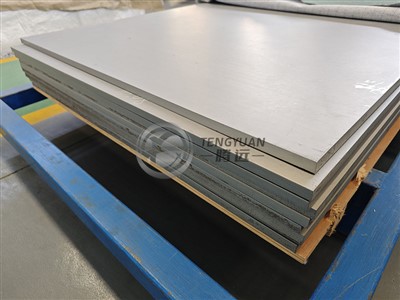
Hey there! As a supplier of GR1 Titanium Wire, I've seen firsthand how its price can be a bit of a rollercoaster. In this blog, I'll break down the factors that make the price of GR1 Titanium Wire fluctuate.
Supply and Demand Basics
First off, the basic principle of supply and demand plays a huge role. When demand for GR1 Titanium Wire goes up, but the supply can't keep pace, prices tend to shoot up. On the flip side, if there's a surplus of supply and not enough buyers, the price will drop.
Let's look at some industries that rely on GR1 Titanium Wire. The aerospace sector is a biggie. They use it for all sorts of components because of its high strength - to - weight ratio and corrosion resistance. When aerospace companies are ramping up production, say for new military aircraft or commercial airplanes, the demand for GR1 Titanium Wire spikes. As a supplier, I've noticed that during these high - demand periods, it's hard to keep enough stock and the prices go through the roof.
Medical device manufacturers are another major customer. GR1 Titanium Wire is biocompatible, which means it can be used in things like dental implants and orthopedic devices. When there's an increase in the number of medical procedures or new product developments in the medical field, the demand for our wire goes up, pushing the price higher.
Raw Material Costs
The cost of raw materials is a huge factor in the price of GR1 Titanium Wire. Titanium ore is the starting point, and its price can be quite volatile. Mining operations can be affected by all sorts of things. Natural disasters like floods or earthquakes can disrupt mines in countries where titanium ore is abundant. For example, if there's a major earthquake in a key mining region, the mining operations might have to shut down temporarily. This reduces the supply of titanium ore, and as a result, the cost of the ore goes up.
Energy costs also play a part. Extracting and processing titanium ore into GR1 Titanium Wire requires a lot of energy. When the price of electricity, oil, or gas increases, the overall cost of production goes up. We, as suppliers, have to pass on at least some of these increased costs to our customers, which leads to a rise in the price of the wire.
Global Economic Conditions
The state of the global economy has a significant impact on the price of GR1 Titanium Wire. During economic downturns, industries that use our wire, like manufacturing and construction, tend to cut back on production. This reduces the demand for GR1 Titanium Wire and causes prices to fall.
Exchange rates can also affect the price. Since titanium is traded on the global market, changes in exchange rates can impact the cost for international buyers. If the currency of a major importing country weakens against the currency in which the wire is priced, it becomes more expensive for them to buy. This can lead to a decrease in demand, which in turn can lower the price.
Technological Advancements
New technologies can either increase or decrease the price of GR1 Titanium Wire. On one hand, if there are new and more efficient production methods developed, the cost of manufacturing the wire can go down. For example, if a new smelting technique is invented that uses less energy and produces less waste, the overall production cost will be reduced. As a result, we can offer the wire at a lower price.
On the other hand, if new technologies require higher - quality GR1 Titanium Wire, the demand for a more refined product might increase. This can drive up the price as suppliers need to invest in more advanced processing equipment and quality control measures to meet the new standards.
Competition in the Market
The level of competition among GR1 Titanium Wire suppliers also affects the price. When there are many suppliers in the market, each one is trying to attract customers. This often leads to price wars, where suppliers lower their prices to gain a larger market share.
However, if a few large suppliers dominate the market, they may have more control over the price. They could potentially collude (although this is illegal in most countries) or simply use their market power to keep prices high. As an independent supplier, I have to be aware of what my competitors are doing and price my products competitively to stay in the game.
Related Products and Their Influence
The prices of related products can also influence the price of GR1 Titanium Wire. For instance, GR2 Titanium Wire has slightly different properties compared to GR1. If the price of GR2 Titanium Wire drops significantly, some customers might switch to it instead of GR1. This would reduce the demand for GR1 Titanium Wire and cause its price to fall.

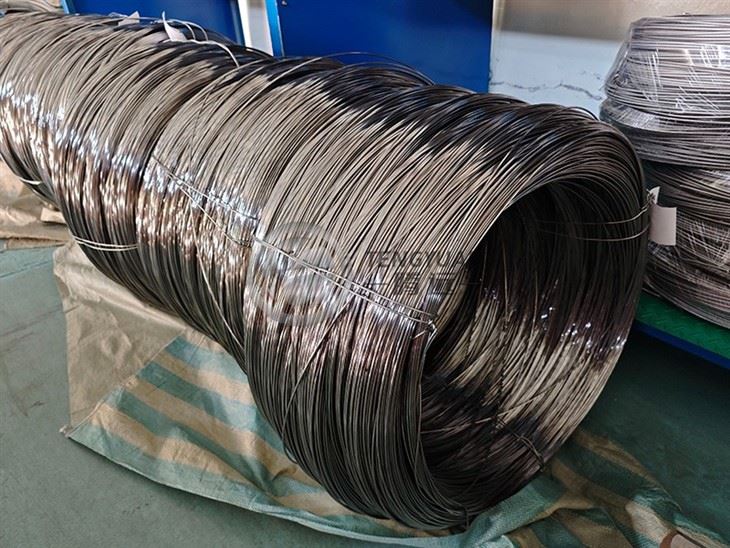
Similarly, the price of GR1 Titanium Welding Wire can impact the market. If the welding wire becomes more expensive, it could lead to a decrease in the overall demand for GR1 Titanium - related products, as welding is an important process in many applications.
How We Adapt as a Supplier
As a supplier of GR1 Titanium Wire, we have to be really flexible. When the prices of raw materials go up, we try to negotiate better deals with our ore suppliers. We also look for ways to optimize our production process to reduce costs. For example, we might invest in new equipment that uses less energy or improves the efficiency of our manufacturing line.
We keep a close eye on market trends. By analyzing data on demand from different industries and the prices of related products, we can make more informed decisions about pricing. When we anticipate an increase in demand, we might stock up on raw materials to ensure we can meet the orders without having to raise prices too much.
Contact Us for Your GR1 Titanium Wire Needs
If you're in the market for high - quality GR1 Titanium Wire, we're here to help. Whether you're in the aerospace, medical, or any other industry that requires this versatile material, we can offer you competitive prices and excellent service. The price of GR1 Titanium Wire may fluctuate, but we're committed to providing you with the best value for your money. Reach out to us to discuss your specific requirements and start a procurement conversation.
References
- "Titanium: A Technical Guide" by Don Eylon
- Industry reports on the global titanium market
- Research papers on the economic factors affecting metal prices