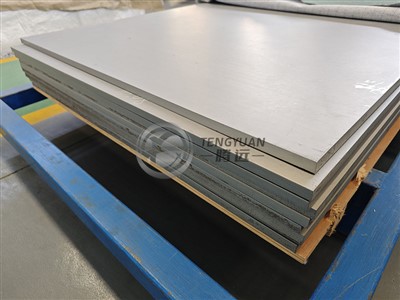
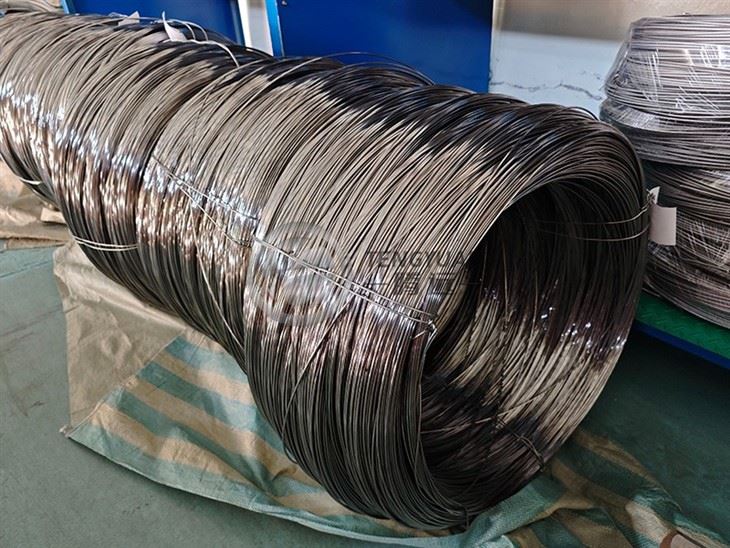
As a supplier of GR2 Titanium Wire, I've witnessed firsthand the exceptional performance of this material in various industrial applications. One of the most remarkable features of GR2 Titanium Wire is its ability to resist alkaline corrosion. In this blog, I'll delve into the scientific principles behind this resistance and explain why GR2 Titanium Wire is an ideal choice for applications in alkaline environments.
Understanding Alkaline Corrosion
Before we explore how GR2 Titanium Wire resists alkaline corrosion, it's important to understand what alkaline corrosion is. Alkaline corrosion, also known as caustic corrosion, occurs when a metal reacts with an alkaline solution. Alkaline solutions have a pH greater than 7 and can contain substances such as sodium hydroxide (NaOH), potassium hydroxide (KOH), and calcium hydroxide (Ca(OH)₂). When a metal comes into contact with an alkaline solution, a chemical reaction can occur, leading to the degradation of the metal surface.
The corrosion process in alkaline solutions typically involves the formation of metal hydroxides or oxides on the metal surface. These compounds can either protect the metal from further corrosion or accelerate the corrosion process, depending on their properties. In some cases, the metal hydroxides or oxides can form a passive film that acts as a barrier between the metal and the alkaline solution, preventing further corrosion. However, if the passive film is unstable or damaged, the corrosion process can continue.
The Properties of GR2 Titanium Wire
GR2 Titanium Wire is a grade of commercially pure titanium that contains a minimum of 99% titanium. It is known for its excellent corrosion resistance, high strength-to-weight ratio, and good formability. These properties make GR2 Titanium Wire suitable for a wide range of applications, including aerospace, chemical processing, marine, and medical industries.
One of the key factors that contribute to the corrosion resistance of GR2 Titanium Wire is its ability to form a passive oxide film on its surface. When GR2 Titanium Wire is exposed to oxygen or an oxidizing environment, a thin layer of titanium dioxide (TiO₂) forms on the surface of the wire. This passive oxide film is extremely stable and adherent, providing a protective barrier against corrosion.
The passive oxide film on GR2 Titanium Wire has several important properties that make it effective in resisting alkaline corrosion. First, it is highly resistant to chemical attack by alkaline solutions. The titanium dioxide in the passive film is insoluble in most alkaline solutions, preventing the alkaline solution from reacting with the underlying titanium metal. Second, the passive oxide film is self-healing. If the film is damaged or removed, it can quickly reform in the presence of oxygen or an oxidizing environment, restoring the protective barrier against corrosion.
How GR2 Titanium Wire Resists Alkaline Corrosion
The resistance of GR2 Titanium Wire to alkaline corrosion can be attributed to the following mechanisms:
Formation of a Passive Oxide Film
As mentioned earlier, GR2 Titanium Wire forms a passive oxide film on its surface when exposed to oxygen or an oxidizing environment. This passive oxide film acts as a barrier between the titanium metal and the alkaline solution, preventing direct contact between the two. The titanium dioxide in the passive film is highly resistant to chemical attack by alkaline solutions, effectively protecting the underlying titanium metal from corrosion.
Stability of the Passive Oxide Film
The passive oxide film on GR2 Titanium Wire is extremely stable in alkaline solutions. It has a high resistance to dissolution and does not break down easily in the presence of alkaline substances. This stability is due to the strong chemical bonds between the titanium atoms and the oxygen atoms in the titanium dioxide film. As a result, the passive oxide film can maintain its integrity and continue to protect the GR2 Titanium Wire from alkaline corrosion for an extended period of time.
Self-Healing Ability
The passive oxide film on GR2 Titanium Wire has a self-healing ability. If the film is damaged or removed by mechanical abrasion, chemical attack, or other means, it can quickly reform in the presence of oxygen or an oxidizing environment. This self-healing property ensures that the protective barrier against corrosion is always maintained, even in harsh alkaline environments.
Low Reactivity of Titanium
Titanium is a relatively inert metal, meaning it has a low reactivity with most chemicals. This low reactivity is due to the high energy required to break the strong chemical bonds in titanium. As a result, GR2 Titanium Wire is less likely to react with alkaline solutions compared to other metals, reducing the risk of corrosion.
Applications of GR2 Titanium Wire in Alkaline Environments
The excellent alkaline corrosion resistance of GR2 Titanium Wire makes it suitable for a variety of applications in alkaline environments. Some of the common applications include:
Chemical Processing Industry
In the chemical processing industry, GR2 Titanium Wire is used in equipment and components that come into contact with alkaline solutions, such as reactors, heat exchangers, and pipelines. The corrosion resistance of GR2 Titanium Wire ensures the long-term reliability and performance of these equipment and components, reducing maintenance costs and downtime.

Marine Industry
In the marine industry, GR2 Titanium Wire is used in applications where it is exposed to seawater, which is an alkaline environment. It is used in shipbuilding, offshore oil and gas platforms, and desalination plants. The corrosion resistance of GR2 Titanium Wire helps to prevent the degradation of these structures and equipment, ensuring their safety and longevity.
Medical Industry
In the medical industry, GR2 Titanium Wire is used in various medical devices, such as orthopedic implants and dental implants. These devices are often exposed to body fluids, which have a slightly alkaline pH. The corrosion resistance of GR2 Titanium Wire ensures that the implants are biocompatible and do not cause any adverse reactions in the body.
Conclusion
In conclusion, GR2 Titanium Wire is an excellent choice for applications in alkaline environments due to its exceptional corrosion resistance. The ability of GR2 Titanium Wire to form a stable and self-healing passive oxide film on its surface, combined with its low reactivity and high stability, makes it highly resistant to alkaline corrosion. Whether you are in the chemical processing, marine, medical, or other industries, GR2 Titanium Wire can provide reliable and long-lasting performance in alkaline environments.
If you are interested in learning more about GR2 Titanium Wire or other grades of titanium wire, such as GR1 Titanium Wire and GR1 Titanium Welding Wire, please visit our website GR2 Titanium Wire for more information. We are a leading supplier of high-quality titanium wire and can provide you with the best products and services to meet your specific needs. Contact us today to start a discussion about your procurement requirements.
References
- ASM Handbook, Volume 13A: Corrosion: Fundamentals, Testing, and Protection. ASM International.
- Titanium: A Technical Guide. John R. Davis (Editor). ASM International.
- Corrosion Resistance of Titanium and Titanium Alloys. Carl L. Faust. NACE International.