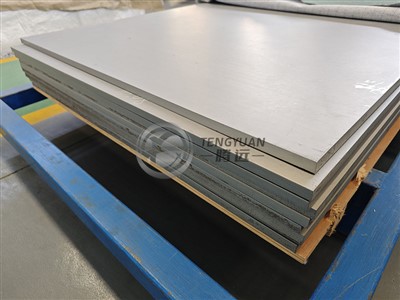
Titanium is a remarkable metal known for its exceptional properties, such as high strength-to-weight ratio, excellent corrosion resistance, and biocompatibility. Among the various grades of titanium, GR2 titanium is one of the most widely used due to its versatility and relatively lower cost compared to some other grades. As a supplier of GR2 Titanium Plates, I often receive inquiries about the machinability of these plates. In this blog post, I will delve into the topic of whether GR2 titanium plates have good machinability, exploring the factors that influence it and providing some practical insights.
Understanding GR2 Titanium
GR2 titanium, also known as commercially pure titanium grade 2, is an unalloyed titanium with a relatively low oxygen content. It offers a good balance of strength, ductility, and corrosion resistance, making it suitable for a wide range of applications. These applications include marine, chemical processing, architecture, and medical industries. GR2 Titanium Plates for Ships are commonly used in shipbuilding due to their excellent corrosion resistance in seawater, while GR1 Titanium Plates for Chemical Industry are favored for their ability to withstand harsh chemical environments.
Machinability Defined
Machinability refers to the ease with which a material can be machined using various cutting processes, such as turning, milling, drilling, and grinding. A material with good machinability typically requires less cutting force, produces a smooth surface finish, and has a longer tool life. On the other hand, a material with poor machinability may result in high cutting forces, rough surface finishes, and rapid tool wear.
Factors Affecting the Machinability of GR2 Titanium Plates
1. High Strength and Low Thermal Conductivity
GR2 titanium has a relatively high strength, which means that more cutting force is required to remove material during machining. Additionally, titanium has a low thermal conductivity, which causes heat to be concentrated at the cutting edge. This high temperature can lead to rapid tool wear, as the heat can soften the tool material and reduce its hardness.
2. Chemical Reactivity
Titanium is highly reactive with oxygen, nitrogen, and other elements at high temperatures. During machining, the high temperatures generated at the cutting edge can cause the titanium to react with the surrounding atmosphere, forming hard and abrasive compounds. These compounds can further increase tool wear and degrade the surface finish of the machined part.
3. Work Hardening
GR2 titanium has a tendency to work harden during machining. As the cutting tool deforms the material, the surface layer of the titanium becomes harder, making it more difficult to cut. This work hardening can lead to increased cutting forces, tool wear, and poor surface finish.
4. Chip Formation
The chip formation process in titanium machining is also a challenge. Titanium chips tend to be long and stringy, which can wrap around the cutting tool and cause problems such as chip jamming and tool breakage. Proper chip control is essential to ensure efficient machining and prevent damage to the tool and the workpiece.
Strategies to Improve the Machinability of GR2 Titanium Plates
1. Tool Selection
Choosing the right cutting tools is crucial for machining GR2 titanium plates. Carbide tools are commonly used due to their high hardness and wear resistance. Coated carbide tools, such as those coated with titanium nitride (TiN), titanium carbonitride (TiCN), or aluminum oxide (Al₂O₃), can further improve tool life by reducing friction and heat generation. Cubic boron nitride (CBN) tools are also an option for high-speed machining of titanium, as they offer excellent wear resistance and can withstand high temperatures.
2. Cutting Parameters
Optimizing the cutting parameters is essential to improve the machinability of GR2 titanium plates. Lower cutting speeds and feed rates are generally recommended to reduce the heat generated at the cutting edge and minimize tool wear. However, the cutting speed and feed rate should be carefully balanced to ensure efficient material removal. Additionally, a generous amount of coolant should be used to dissipate heat and flush away chips.
3. Machining Techniques
Using the right machining techniques can also help improve the machinability of GR2 titanium plates. For example, high-pressure coolant delivery can be used to improve chip evacuation and reduce the temperature at the cutting edge. Additionally, using a slow and steady feed rate can help prevent work hardening and improve the surface finish of the machined part.
4. Pre-Machining and Post-Machining Treatments
Pre-machining treatments, such as annealing, can be used to reduce the hardness of the titanium and improve its machinability. Post-machining treatments, such as stress relieving, can be used to reduce the residual stresses in the machined part and improve its dimensional stability.

Conclusion
In conclusion, while GR2 titanium plates have some challenges when it comes to machinability due to their high strength, low thermal conductivity, chemical reactivity, work hardening, and chip formation characteristics, with the right strategies and techniques, it is possible to achieve good machining results. By selecting the appropriate cutting tools, optimizing the cutting parameters, using the right machining techniques, and implementing pre-machining and post-machining treatments, manufacturers can overcome these challenges and produce high-quality machined parts from GR2 titanium plates.
If you are in the market for GR2 Titanium Plates or GR1 Titanium Plates for Corrosion Resistant, and you have questions about their machinability or any other aspects, please feel free to contact us. We are here to provide you with the best products and technical support to meet your specific needs. Let's start a discussion about your procurement requirements and find the most suitable solutions together.
References
- "Machining of Titanium Alloys: A Review" by S. C. Jha, A. K. Choudhury, and B. Bhattacharyya
- "Titanium and Titanium Alloys: Fundamentals and Applications" edited by David E. Alexander and R. Byron Boyer
- "Manufacturing Engineering and Technology" by S. Kalpakjian and S. R. Schmid