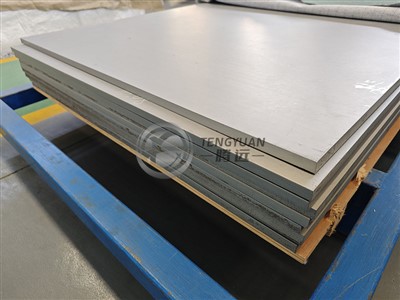
As a supplier of GR1 Titanium Wire, I often receive inquiries regarding its potential use in food - processing equipment. This blog post aims to delve into the suitability of GR1 Titanium Wire for this specific application, exploring its properties, advantages, potential drawbacks, and regulatory considerations.
Properties of GR1 Titanium Wire
GR1 Titanium is an unalloyed titanium grade known for its high purity. It consists mainly of titanium with only trace amounts of other elements such as iron, oxygen, carbon, nitrogen, and hydrogen. This high - purity composition gives GR1 Titanium Wire several notable properties.
Firstly, it has excellent corrosion resistance. Titanium forms a passive oxide layer on its surface when exposed to oxygen. This oxide layer is extremely stable and self - healing, protecting the underlying metal from corrosion in a wide range of environments, including those with high humidity, acids, and alkalis. In the context of food - processing, where equipment is often in contact with various food substances, cleaning agents, and water, this corrosion resistance is crucial to prevent the contamination of food products.
Secondly, GR1 Titanium Wire has a relatively low density compared to many other metals. This makes it lightweight, which can be beneficial for food - processing equipment, especially in applications where mobility or ease of handling is important. For example, in some small - scale food - processing operations or in equipment that needs to be frequently moved or adjusted, the use of lightweight materials can reduce labor and energy costs.
Thirdly, GR1 Titanium Wire has good mechanical properties. It has a high strength - to - weight ratio, which means it can withstand significant loads while remaining relatively light. This is important in food - processing equipment, where components may need to support the weight of food products, withstand the forces of processing operations such as cutting, mixing, or pressing.
Advantages of Using GR1 Titanium Wire in Food - Processing Equipment
One of the most significant advantages of using GR1 Titanium Wire in food - processing equipment is its biocompatibility. Titanium is a non - toxic metal and is widely used in medical applications for this reason. In the food - processing industry, this means that there is no risk of the wire leaching harmful substances into food products. This is in contrast to some other metals, such as lead or cadmium, which can contaminate food if they are used in equipment and are exposed to acidic or alkaline food substances.
Another advantage is its resistance to microbial growth. The smooth surface of GR1 Titanium Wire, combined with its corrosion - resistant properties, makes it difficult for bacteria and other microorganisms to adhere and grow on it. This is essential in food - processing environments, where maintaining high levels of hygiene is crucial to prevent foodborne illnesses.
GR1 Titanium Wire also has good heat transfer properties. In food - processing operations that involve heating or cooling, such as pasteurization or refrigeration, efficient heat transfer can improve the quality and consistency of food products. The ability of GR1 Titanium Wire to transfer heat effectively can help in achieving more uniform processing results.
Potential Drawbacks
Despite its many advantages, there are also some potential drawbacks to using GR1 Titanium Wire in food - processing equipment. One of the main concerns is the cost. Titanium is generally more expensive than many other metals commonly used in food - processing equipment, such as stainless steel. This higher cost can be a significant barrier for some food - processing companies, especially small - and medium - sized enterprises with limited budgets.
Another potential drawback is the difficulty of machining GR1 Titanium Wire. Titanium is a relatively hard and tough metal, which can make it challenging to shape and form into the desired components for food - processing equipment. Specialized machining techniques and tools are often required, which can increase the manufacturing cost and time.
Regulatory Considerations
Before using GR1 Titanium Wire in food - processing equipment, it is essential to ensure compliance with relevant regulations. In many countries, there are strict regulations regarding the materials that can be used in contact with food. These regulations typically specify the allowable levels of contaminants and the requirements for the safety and hygiene of food - contact materials.
For example, in the United States, the Food and Drug Administration (FDA) has established regulations under the Federal Food, Drug, and Cosmetic Act (FD&C Act) for food - contact substances. Manufacturers of food - processing equipment using GR1 Titanium Wire need to ensure that the wire meets the FDA's requirements for safety and non - migration of substances into food.
In the European Union, the European Food Safety Authority (EFSA) provides guidelines and regulations for food - contact materials. The use of GR1 Titanium Wire in food - processing equipment must comply with these regulations to ensure the safety of food products.
Comparison with Other Titanium Grades
When considering the use of titanium in food - processing equipment, it is also important to compare GR1 Titanium Wire with other titanium grades, such as GR2 Titanium Wire. GR2 Titanium is also an unalloyed titanium grade, but it has slightly higher levels of impurities compared to GR1. This can result in some differences in properties.

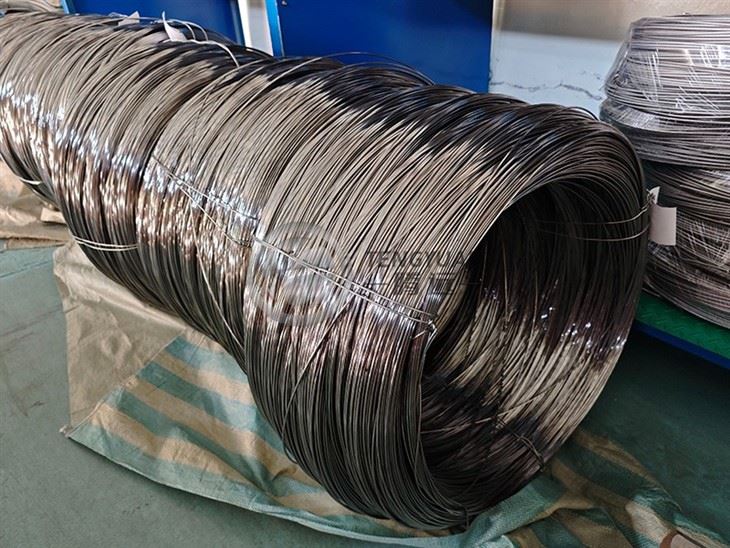
GR2 Titanium Wire generally has slightly higher strength and hardness than GR1 Titanium Wire. However, this also means that it may be more difficult to machine. In terms of corrosion resistance, both GR1 and GR2 Titanium Wires have excellent performance, but the specific application may determine which grade is more suitable. For example, in applications where high strength is required, GR2 Titanium Wire may be a better choice, while in applications where high purity and ease of machining are more important, GR1 Titanium Wire may be preferred.
Welding Considerations
In the manufacturing of food - processing equipment, welding is often required to join different components made of GR1 Titanium Wire. GR1 Titanium Welding Wire is specifically designed for this purpose. When welding GR1 Titanium Wire, it is important to use the correct welding techniques and procedures to ensure the quality of the weld.
Titanium is sensitive to oxygen, nitrogen, and hydrogen during the welding process. If these elements are present in the welding environment, they can react with the titanium and form brittle compounds, which can reduce the strength and corrosion resistance of the weld. Therefore, welding of GR1 Titanium Wire is typically carried out in an inert gas environment, such as argon or helium, to prevent contamination.
Similarly, GR2 Titanium Welding Wire can be used for welding GR2 Titanium components. The choice between GR1 and GR2 welding wire depends on the specific requirements of the welding application, such as the grade of the base metal and the desired properties of the weld.
Conclusion
In conclusion, GR1 Titanium Wire has many properties that make it a suitable material for use in food - processing equipment. Its excellent corrosion resistance, biocompatibility, and mechanical properties make it a viable option for ensuring the safety and quality of food products. However, the high cost and difficulty of machining are potential drawbacks that need to be considered.
When making a decision about using GR1 Titanium Wire in food - processing equipment, food - processing companies should carefully evaluate their specific needs, budget, and regulatory requirements. If you are interested in exploring the use of GR1 Titanium Wire for your food - processing equipment, I encourage you to contact me for more information and to discuss potential procurement opportunities. We can work together to determine the best solution for your specific application.
References
- "Titanium: A Technical Guide" by John C. Williams
- "Food Contact Materials: Regulatory Aspects" by various authors in the field of food safety and regulations
- Industry standards and guidelines from organizations such as the FDA and EFSA