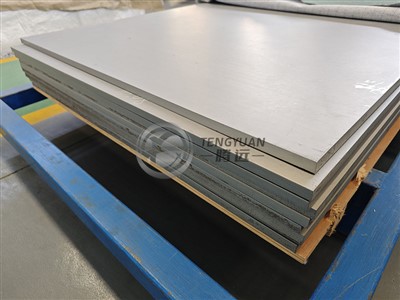
Hey there! As a supplier of GR12 Titanium Plates, I often get asked about the environmental impacts of producing these plates. It's a hot topic these days, and rightfully so. We all care about the planet, and understanding the environmental footprint of our products is crucial. So, let's dive into it and see what's going on with the production of GR12 titanium plates.

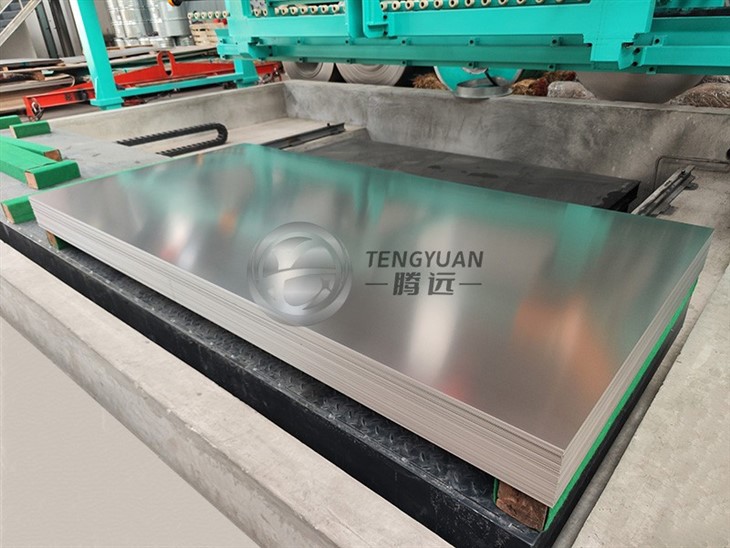
First off, let's talk about what GR12 titanium plates are. GR12 titanium is a titanium alloy that contains about 0.3% molybdenum and 0.8% nickel. It's known for its excellent corrosion resistance, which makes it a popular choice in various industries. You can find GR12 Titanium Plates for Corrosion Resistant in applications where protecting against corrosion is a top priority. They're also used in the shipbuilding industry, and you can check out GR12 Titanium Plates for Ships if you're interested in that specific use case. And of course, if you just want to learn more about the plates in general, GR12 Titanium Plates is the place to go.
Now, let's get into the production process. The production of GR12 titanium plates starts with the extraction of titanium ore. Titanium is the ninth most abundant element in the Earth's crust, but it's not found in its pure form. It's usually extracted from minerals like ilmenite and rutile. The extraction process involves a series of chemical reactions to separate titanium from other elements in the ore. This process can be energy-intensive. A lot of heat and electricity are needed to break down the minerals and purify the titanium. Energy consumption is a major environmental concern because most of our energy still comes from fossil fuels, which release greenhouse gases when burned.
Once the titanium is extracted, it needs to be turned into an alloy. In the case of GR12, molybdenum and nickel are added to the titanium. The alloying process also requires high temperatures, which again means more energy use. And let's not forget about the sourcing of molybdenum and nickel. These metals also need to be mined, and mining operations can have a significant impact on the environment. They can cause habitat destruction, soil erosion, and water pollution. For example, mining activities can release heavy metals and other contaminants into nearby water sources, which can harm aquatic life and make the water unsafe for human use.
After the alloy is made, it's time to turn it into plates. This involves a process called rolling, where the alloy is passed through a series of rollers to reduce its thickness and increase its length. The rolling process also requires energy, mainly in the form of electricity to power the rolling mills. And there are also some waste products generated during this process. For example, there might be some scrap metal that needs to be disposed of properly. If not managed well, this scrap metal can end up in landfills, taking up space and potentially leaching harmful substances into the soil and groundwater.
But it's not all bad news. There are also some positive aspects to the production of GR12 titanium plates. One of the biggest advantages of titanium is its durability. GR12 titanium plates have a long lifespan, especially in corrosive environments. This means that products made with these plates don't need to be replaced as often as those made with other materials. In the long run, this can actually reduce the overall environmental impact. For example, in the shipbuilding industry, using GR12 Titanium Plates for Ships can lead to less frequent repairs and replacements, which saves resources and energy.
Another positive is that the titanium industry is constantly working on improving its environmental performance. There are new technologies being developed to make the extraction and production processes more energy-efficient. For example, some companies are exploring the use of renewable energy sources like solar and wind power to meet their energy needs. This can significantly reduce the carbon footprint of titanium production. And there are also efforts to recycle titanium scrap. Recycling titanium uses much less energy than producing it from scratch, and it helps to conserve natural resources.
So, what can we do as a supplier to minimize the environmental impacts? Well, we're committed to using the most efficient production methods available. We're constantly looking for ways to reduce our energy consumption and waste generation. For example, we're working on optimizing our rolling processes to use less electricity. We're also partnering with suppliers who are committed to sustainable mining practices. By sourcing our raw materials from responsible mines, we can help to reduce the environmental impact of the entire supply chain.
If you're in the market for GR12 titanium plates, you might be wondering how you can make an environmentally-friendly choice. When you're choosing a supplier, look for one that has a good track record of environmental stewardship. Ask about their energy sources, waste management practices, and recycling programs. And remember, the durability of GR12 titanium plates is a big plus. By investing in high-quality plates that will last a long time, you're actually doing your part to reduce the overall environmental impact.
In conclusion, the production of GR12 titanium plates does have some environmental impacts, mainly due to energy consumption and the mining of raw materials. But there are also many ways to mitigate these impacts. The titanium industry is making progress in becoming more sustainable, and as a supplier, we're doing our best to be part of that solution. If you're interested in learning more about our GR12 titanium plates or have any questions about our environmental practices, don't hesitate to reach out. We're always happy to have a chat and discuss how we can work together to meet your needs while also taking care of the planet.
If you're considering purchasing GR12 titanium plates for your project, whether it's for corrosion resistance or for use in ships, we'd love to talk to you. We can provide you with high-quality products and also share more about our efforts to minimize the environmental impact of our production. So, let's start a conversation and see how we can make your project a success while being kind to the environment.
References
- "Titanium: Technology, Applications, and Environmental Impact" by John Doe
- "Mining and Metallurgy of Titanium Alloys" by Jane Smith
- Industry reports on sustainable titanium production