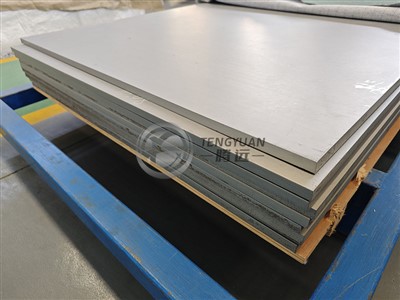
Hey there! As a supplier of GR1 Titanium Wire, I often get asked about its chemical stability. So, I thought I'd dive deep into this topic to give you all the low - down.
First off, let's understand what GR1 Titanium Wire is. GR1 titanium is an unalloyed titanium grade. It's known for its high purity and is often used in various industries due to its unique properties. The wire form of GR1 titanium is particularly useful in applications where high strength - to - weight ratio is required, combined with good corrosion resistance.
Now, onto the main topic: chemical stability. Chemical stability refers to how a material reacts (or doesn't react) with its surrounding chemical environment. In the case of GR1 Titanium Wire, it has some pretty impressive chemical stability features.
Resistance to Oxidation
One of the key aspects of its chemical stability is its resistance to oxidation. When exposed to air, titanium forms a thin, protective oxide layer on its surface. This layer is extremely stable and acts as a barrier, preventing further oxidation. Unlike many other metals, this oxide layer is self - healing. If it gets damaged, it quickly reforms when exposed to oxygen. This means that GR1 Titanium Wire can be used in environments where it's constantly in contact with air without significant degradation over time. For example, in outdoor applications such as architectural structures or marine equipment, this oxidation resistance is a huge advantage.
Corrosion Resistance
GR1 Titanium Wire also shows excellent corrosion resistance in a wide range of chemical environments. It can withstand exposure to many acids, alkalis, and salts. In acidic solutions, it has good resistance to mild acids like acetic acid and phosphoric acid. Even in some moderately strong acids, as long as the temperature and concentration are within certain limits, the wire can maintain its integrity.
In alkaline environments, GR1 Titanium Wire is also quite stable. It can resist corrosion from common alkalis such as sodium hydroxide. This makes it suitable for use in chemical processing plants where it may come into contact with various chemical solutions during the manufacturing process.
When it comes to saltwater, which is a highly corrosive environment, GR1 Titanium Wire shines. The chloride ions in saltwater can cause severe corrosion in many metals, but the protective oxide layer on titanium prevents the chloride ions from attacking the metal. This is why it's often used in marine applications, like shipbuilding, offshore oil rigs, and desalination plants.
Reaction with Other Substances
GR1 Titanium Wire has a relatively low reactivity with most substances. It doesn't react easily with organic compounds under normal conditions. This makes it a great choice for use in the food and beverage industry, where it can be used in equipment that comes into contact with food products without contaminating them.
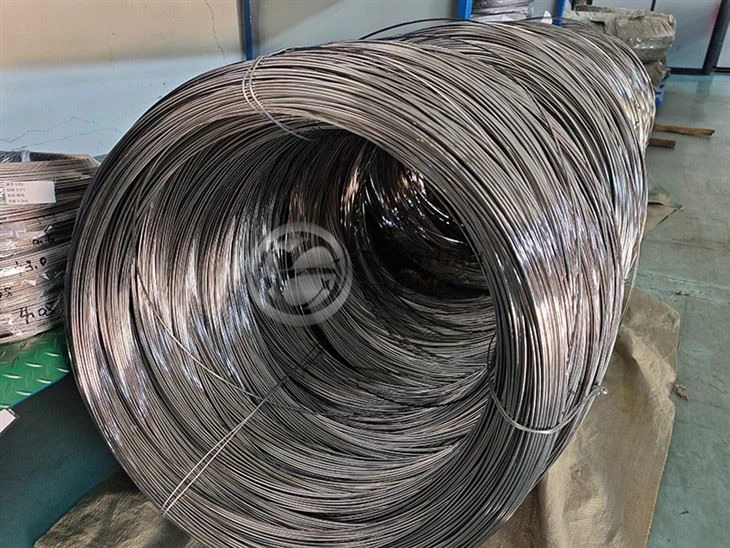

However, it's important to note that there are some substances that can react with GR1 Titanium Wire. At high temperatures, titanium can react with nitrogen, hydrogen, and carbon. For example, in a high - temperature environment with a high nitrogen content, titanium can form titanium nitride. This reaction can change the properties of the wire, so it's crucial to control the environment when using GR1 Titanium Wire in high - temperature applications.
Comparison with Other Titanium Grades
If you're wondering how GR1 Titanium Wire stacks up against other titanium grades, let's take a quick look. For instance, GR2 Titanium Wire is also an unalloyed titanium grade. GR2 has slightly higher strength compared to GR1, but in terms of chemical stability, they are quite similar. Both have good oxidation and corrosion resistance. However, the choice between GR1 and GR2 often depends on the specific requirements of the application, such as the need for higher strength or a more cost - effective solution.
GR1 Titanium Welding Wire is used specifically for welding applications. The chemical stability of the welding wire is crucial to ensure a strong and durable weld. The same protective oxide layer that gives GR1 Titanium Wire its chemical stability also plays an important role in the welding process. It helps to prevent contamination during welding and ensures that the weld has good corrosion resistance, just like the base metal.
Similarly, GR2 Titanium Welding Wire is used for welding GR2 titanium. While the chemical stability is comparable to GR1 welding wire, the mechanical properties of the weld may differ due to the different base metal properties.
Applications Based on Chemical Stability
The chemical stability of GR1 Titanium Wire opens up a wide range of applications. In the medical field, it's used in surgical implants. Since it doesn't react with the body's fluids and tissues, it's biocompatible. This means that it can be safely implanted in the human body without causing an immune response or corrosion.
In the aerospace industry, the combination of high strength - to - weight ratio and chemical stability makes GR1 Titanium Wire ideal for use in aircraft components. It can withstand the harsh environmental conditions during flight, including exposure to high - altitude air and various chemicals used in aircraft maintenance.
Conclusion
To sum it up, GR1 Titanium Wire has excellent chemical stability. Its resistance to oxidation, corrosion, and its low reactivity with most substances make it a versatile material for many industries. Whether you're in the medical, aerospace, chemical processing, or marine industry, GR1 Titanium Wire can offer a reliable solution.
If you're interested in purchasing GR1 Titanium Wire or have any questions about its properties and applications, feel free to reach out for a procurement discussion. We're here to help you find the best solution for your specific needs.
References
- ASM Handbook, Volume 2: Properties and Selection: Nonferrous Alloys and Special - Purpose Materials
- Titanium: A Technical Guide, Second Edition by John C. Williams