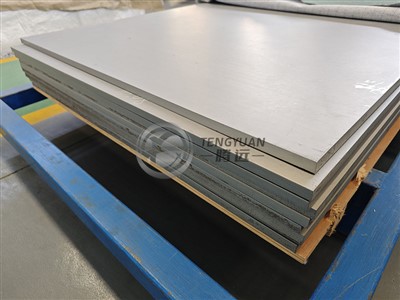
Hey there! As a supplier of GR2 titanium plates, I'm super stoked to share with you all the awesome surface treatments available for these bad - boys. GR2 titanium plates are pretty popular in various industries because of their great corrosion resistance, good formability, and decent strength. But sometimes, we need to give them a little extra TLC through surface treatments to make them even better for specific applications.
1. Anodizing
Anodizing is like a magic trick for GR2 titanium plates. It's an electrochemical process that creates a controlled oxide layer on the surface of the titanium. This oxide layer can be really thin or a bit thicker, depending on what we want.
One of the main benefits of anodizing is that it enhances the corrosion resistance of the GR2 titanium plates. The oxide layer acts as a barrier, preventing the metal from reacting with the surrounding environment. For example, in marine applications, where the plates are constantly exposed to saltwater, an anodized GR2 titanium plate can last much longer without getting corroded.
Another cool thing about anodizing is that it can change the color of the titanium. We can get a whole range of colors, from gold to blue to purple. This is not just for looks, though. In some industries, like jewelry or high - end consumer products, the colored anodized finish adds an aesthetic appeal. If you're interested in GR2 Titanium Plates for Corrosion Resistant, anodizing could be a great option to boost their performance.
2. Passivation
Passivation is a simple but effective surface treatment for GR2 titanium plates. It involves treating the plates with a chemical solution, usually nitric acid or citric acid. The goal of passivation is to remove any free iron or other contaminants from the surface of the titanium.
When the surface is free of these impurities, it becomes more resistant to corrosion. The chemical treatment forms a thin, protective oxide layer on the surface, similar to what happens in the natural oxidation process but in a more controlled way. Passivation is often used as a standard treatment for GR2 titanium plates in industries where corrosion resistance is crucial, such as the chemical processing industry.
The process is relatively quick and doesn't change the dimensions or the mechanical properties of the plates significantly. So, if you need your GR2 titanium plates to maintain their original shape and strength while getting better corrosion protection, passivation is a go - to option.
3. Polishing
Polishing is all about making the GR2 titanium plates look good and smooth. There are different levels of polishing, from a basic buffing to a high - gloss mirror finish.
A polished surface has several advantages. First of all, it's easier to clean. In industries like food processing or medical equipment manufacturing, where hygiene is a top priority, a polished GR2 titanium plate is a great choice. The smooth surface doesn't allow dirt, bacteria, or other contaminants to stick to it easily.
Secondly, polishing can improve the aesthetic appearance of the plates. In architectural applications, for example, polished GR2 titanium plates can add a modern and sleek look to buildings. We can use different polishing techniques, such as mechanical polishing or electrochemical polishing, depending on the desired finish.
4. Coating
Coating GR2 titanium plates is another way to enhance their performance. There are various types of coatings available, each with its own set of benefits.
Ceramic Coatings
Ceramic coatings are known for their high hardness and wear resistance. When applied to GR2 titanium plates, they can protect the surface from scratches, abrasion, and high - temperature environments. In aerospace applications, where the plates may be exposed to high - speed particles and extreme temperatures, a ceramic - coated GR2 titanium plate can provide better durability.
Polymer Coatings
Polymer coatings, on the other hand, can offer excellent chemical resistance and flexibility. They can be used to protect the plates from harsh chemicals or to provide a non - stick surface. For example, in the chemical storage industry, polymer - coated GR2 titanium plates can prevent the stored chemicals from reacting with the metal.
5. Shot Peening
Shot peening is a bit different from the other surface treatments. It involves bombarding the surface of the GR2 titanium plates with small spherical particles, called shots. This process creates compressive stresses on the surface of the metal.
The compressive stresses improve the fatigue resistance of the plates. In applications where the plates are subjected to cyclic loading, like in automotive or aerospace components, shot - peened GR2 titanium plates can last longer without cracking or failing. It also helps to improve the surface hardness to some extent.
Comparison of Surface Treatments
Now, let's compare these surface treatments to see which one is the best fit for different situations.
| Surface Treatment | Corrosion Resistance | Aesthetic Appeal | Wear Resistance | Fatigue Resistance |
|---|---|---|---|---|
| Anodizing | High | High (due to color options) | Moderate | Low |
| Passivation | High | Low | Low | Low |
| Polishing | Moderate | High | Low | Low |
| Coating (Ceramic) | High | Varies | High | Moderate |
| Coating (Polymer) | High | Varies | Moderate | Low |
| Shot Peening | Moderate | Low | Moderate | High |
As you can see, each surface treatment has its own strengths. If you're mainly concerned about corrosion resistance, anodizing or passivation might be the best choices. For a great - looking finish, polishing or anodizing with color options are good. And if fatigue resistance is your top priority, shot peening is the way to go.
Choosing the Right Surface Treatment
When it comes to choosing the right surface treatment for your GR2 titanium plates, there are a few things to consider.
First, think about the application. If the plates are going to be used in a corrosive environment, like a chemical plant or a marine setting, corrosion - resistant treatments like anodizing or passivation are essential. If they're for a high - end consumer product or an architectural project, aesthetic treatments such as polishing or anodizing for color are more appropriate.
Second, consider the cost. Some treatments, like anodizing or coating, can be more expensive than others, like passivation or polishing. You need to balance the benefits of the treatment with your budget.
Finally, think about the impact on the mechanical properties of the plates. Some treatments, like shot peening, can improve certain mechanical properties, while others may have little to no effect. Make sure the treatment you choose doesn't compromise the performance of the plates in your specific application.
If you're still not sure which surface treatment is right for your needs, don't hesitate to reach out. We're here to help you make the best decision for your GR2 titanium plate requirements. Whether you're interested in GR1 Titanium Plates for Corrosion Resistant or GR1 Titanium Plates for Ships, we've got the expertise to guide you.
In conclusion, surface treatments can significantly enhance the performance and appearance of GR2 titanium plates. By understanding the different options available and choosing the right one for your application, you can get the most out of these amazing metal plates. If you're in the market for GR2 titanium plates or have questions about surface treatments, feel free to contact us for a detailed discussion and procurement options. We're eager to work with you and provide the best solutions for your projects.


References
- ASM Handbook Volume 5: Surface Engineering.
- "Titanium: A Technical Guide" by Don Eylon.