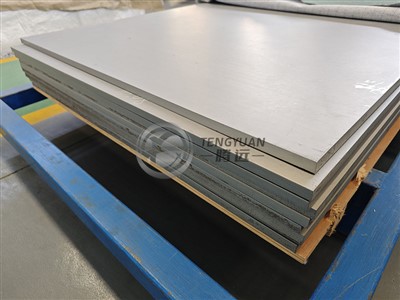
Hey there! As a supplier of GR2 Titanium Welding Wire, I've been getting a lot of questions lately about whether it's suitable for robotic welding. So, I thought I'd take a deep - dive into this topic and share my insights with you.
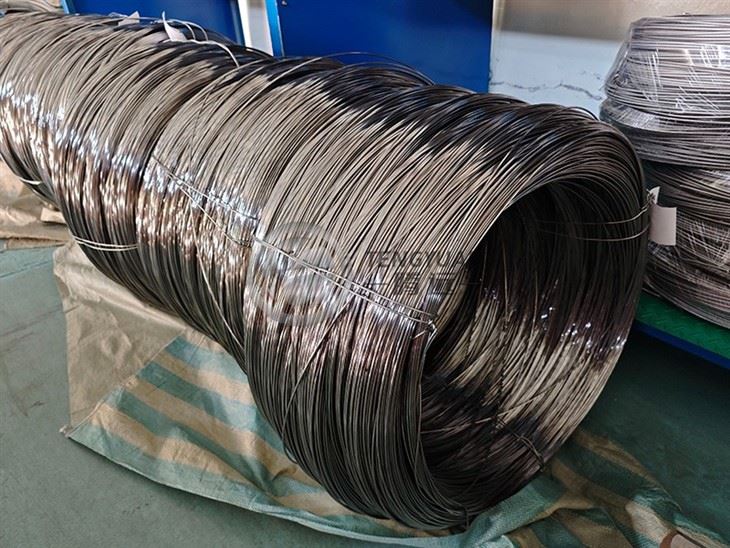

First off, let's talk a bit about what GR2 Titanium Welding Wire is. GR2 Titanium Wire is an industrial - pure titanium wire. It's known for its excellent corrosion resistance, good ductility, and relatively low density. These properties make it a popular choice in many industries, including aerospace, chemical processing, and marine applications. You can learn more about it here.
Now, let's get to the main question: Is it suitable for robotic welding? Well, the short answer is yes, but there are some things you need to keep in mind.
Advantages of Using GR2 Titanium Welding Wire in Robotic Welding
1. Consistency
One of the biggest advantages of robotic welding is its ability to provide consistent welds. GR2 Titanium Welding Wire is a great match for this. Since it has a uniform composition, the robot can lay down welds with the same quality over and over again. This is crucial in industries where precision and repeatability are key, like aerospace. For example, when manufacturing aircraft components, a slight variation in the weld quality can have a huge impact on the overall safety and performance of the aircraft. With GR2 Titanium Welding Wire and a well - programmed robot, you can ensure that each weld meets the strict quality standards.
2. High - Speed Welding
Robots are capable of welding at high speeds. GR2 Titanium Welding Wire can handle these high - speed operations pretty well. Its good flow characteristics allow the weld pool to form smoothly even when the welding speed is increased. This means you can increase your production rate without sacrificing the quality of the weld. In a manufacturing setting, this can lead to significant cost savings as you can produce more parts in less time.
3. Adaptability
GR2 Titanium Welding Wire can be used in different types of robotic welding processes, such as Gas Tungsten Arc Welding (GTAW) and Gas Metal Arc Welding (GMAW). This gives you more flexibility in choosing the welding process that best suits your application. For instance, GTAW is often preferred for its high - quality, precise welds, while GMAW is known for its higher deposition rates. Whether you're looking for a fine - tuned weld for a delicate component or a faster way to join larger pieces, GR2 Titanium Welding Wire can be used effectively.
Challenges and How to Overcome Them
1. Contamination
Titanium is highly reactive to oxygen, nitrogen, and hydrogen at elevated temperatures. During the welding process, if the wire or the weld area is contaminated, it can lead to poor weld quality, such as porosity, cracking, or reduced mechanical properties. In a robotic welding setup, it's essential to have a proper shielding gas system. Argon is commonly used as a shielding gas to protect the weld pool from the surrounding atmosphere. Also, make sure the wire is stored in a clean and dry environment to prevent contamination before welding.
2. Weld Joint Preparation
Proper weld joint preparation is crucial when using GR2 Titanium Welding Wire in robotic welding. The edges of the parts to be welded need to be clean and free of any oxides, oils, or other contaminants. Any imperfections in the joint can cause issues during the welding process, such as uneven weld bead formation or incomplete fusion. You may need to use specific cleaning methods, like chemical cleaning or mechanical grinding, to ensure the joint is in the best condition for welding.
3. Heat Input Control
Titanium has a relatively low thermal conductivity compared to some other metals. This means that heat can build up quickly during the welding process, which can lead to distortion and other problems. In robotic welding, it's important to carefully control the heat input. You can do this by adjusting the welding parameters, such as the welding current, voltage, and travel speed. By optimizing these parameters, you can ensure that the heat is distributed evenly and the weld is of high quality.
Comparison with Other Titanium Welding Wires
It's also worth comparing GR2 Titanium Welding Wire with other types of titanium welding wires, like GR1 Titanium Welding Wire. GR1 Titanium Wire is even more pure than GR2, which gives it slightly better corrosion resistance in some environments. However, GR2 has a better balance of strength and ductility. In robotic welding, GR2 is often a more practical choice because it can handle a wider range of applications. The slightly higher strength of GR2 can be beneficial in applications where the welded parts need to withstand some mechanical stress.
Real - World Applications
There are many real - world applications where GR2 Titanium Welding Wire is used in robotic welding. In the chemical processing industry, it's used to weld tanks and pipes that come into contact with corrosive chemicals. The corrosion resistance of GR2 ensures that the welded structures have a long service life. In the marine industry, it's used to build ship components, such as hulls and decks. The good ductility of GR2 allows the welded parts to withstand the stresses of the marine environment.
Conclusion
In conclusion, GR2 Titanium Welding Wire is definitely suitable for robotic welding. It offers many advantages in terms of consistency, high - speed welding, and adaptability. However, you need to be aware of the challenges, such as contamination, weld joint preparation, and heat input control, and take appropriate measures to overcome them.
If you're in the market for high - quality GR2 Titanium Welding Wire for your robotic welding needs, I'd love to have a chat with you. Whether you're a small - scale manufacturer or a large industrial company, we can work together to find the best solution for your specific application. Don't hesitate to reach out and start a conversation about your procurement requirements.
References
- AWS D16.1:2017, Specification for Welding Titanium and Titanium Alloys
- ASM Handbook Volume 6: Welding, Brazing, and Soldering