

Cutting a U-shaped titanium profile requires precision, the right tools, and a good understanding of the material properties. As a reliable supplier of U-shaped titanium profiles, I am here to share comprehensive guidance on how to cut these profiles effectively.
Understanding U-shaped Titanium Profiles
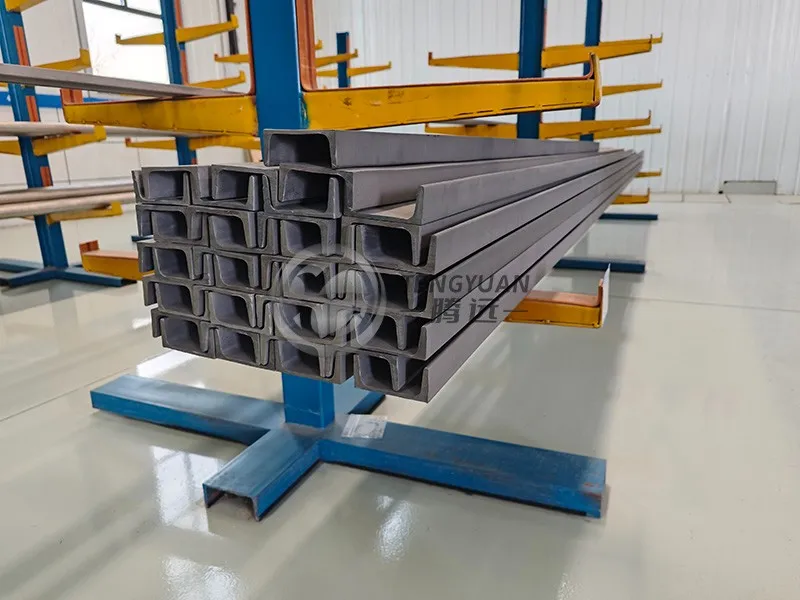
U-shaped titanium profiles are widely used in various industries due to their excellent properties such as high strength, low density, and good corrosion resistance. We offer different grades of U-shaped titanium profiles, including GR2 U-shaped Titanium Profile and GR5 U-shaped Titanium Profile. The GR2 grade is known for its good formability and corrosion resistance, making it suitable for applications in chemical processing, marine, and architecture. On the other hand, the GR5 grade, also known as Ti-6Al-4V, is a high-strength alloy that is commonly used in aerospace, medical, and high-performance engineering applications. Our U-shaped Titanium Profile for Corrosion Resistant is specifically designed to withstand harsh environments and chemical exposure.
Tools Required for Cutting U-shaped Titanium Profiles
Before you start cutting, it is essential to gather the right tools. Here are some of the commonly used tools for cutting U-shaped titanium profiles:

- Band Saw: A band saw is a versatile tool that can be used to cut through titanium profiles with relative ease. Make sure to use a blade specifically designed for cutting titanium, as regular blades may wear out quickly or not provide a clean cut.
- Circular Saw: A circular saw can also be used for cutting U-shaped titanium profiles. Similar to the band saw, use a carbide-tipped blade designed for titanium cutting.
- Plasma Cutter: Plasma cutters are suitable for cutting thicker titanium profiles. They work by creating a high-velocity jet of ionized gas that melts and blows away the metal.
- Waterjet Cutter: Waterjet cutting is a precise and clean method for cutting titanium profiles. It uses a high-pressure stream of water mixed with abrasive particles to cut through the material.
Safety Precautions
Cutting titanium profiles can be dangerous if proper safety precautions are not taken. Here are some safety tips to keep in mind:
- Wear Protective Gear: Always wear safety glasses, gloves, and a face shield to protect yourself from flying debris and sparks.
- Ventilation: Make sure the cutting area is well-ventilated to avoid inhaling harmful fumes and dust.
- Secure the Profile: Use clamps or a vise to secure the U-shaped titanium profile firmly in place before cutting. This will prevent the profile from moving and ensure a clean cut.
- Follow Tool Instructions: Read and follow the manufacturer's instructions for all cutting tools to ensure safe and proper operation.
Step-by-Step Guide to Cutting U-shaped Titanium Profiles
- Measure and Mark: Use a measuring tape and a marker to measure and mark the desired length on the U-shaped titanium profile. Make sure to double-check your measurements to ensure accuracy.
- Set Up the Cutting Tool: Depending on the cutting tool you are using, set up the blade or cutting head according to the manufacturer's instructions. Adjust the cutting speed and depth as needed.
- Cut the Profile: Start the cutting tool and slowly guide it along the marked line. Apply even pressure and avoid forcing the tool through the material. If using a band saw or circular saw, make sure to keep the blade perpendicular to the profile to ensure a straight cut.
- Finish the Cut: Once the cut is complete, turn off the cutting tool and allow it to cool down. Use a file or sandpaper to smooth any rough edges or burrs on the cut end of the profile.
Troubleshooting Common Cutting Issues
- Blade Wear: If the blade is wearing out quickly, it may be due to using the wrong blade for the material or cutting at too high a speed. Replace the blade with a suitable one and adjust the cutting speed as needed.
- Rough Cuts: Rough cuts can be caused by a dull blade, improper cutting speed, or uneven pressure. Sharpen or replace the blade, adjust the cutting speed, and make sure to apply even pressure during the cutting process.
- Overheating: Overheating can occur if the cutting tool is used for an extended period without proper cooling. Take breaks between cuts to allow the tool to cool down, and use a coolant if necessary.
Conclusion
Cutting U-shaped titanium profiles requires the right tools, safety precautions, and proper technique. By following the steps outlined in this guide, you can achieve clean and precise cuts on your U-shaped titanium profiles. As a supplier of high-quality U-shaped titanium profiles, we are committed to providing our customers with the best products and support. If you have any questions or need further assistance with cutting our U-shaped titanium profiles, please feel free to contact us for a purchase consultation. We look forward to working with you to meet your specific requirements.
References
- "Titanium: Properties, Processing, and Applications" - ASM International
- "Cutting Titanium: Best Practices and Techniques" - The Fabricator


