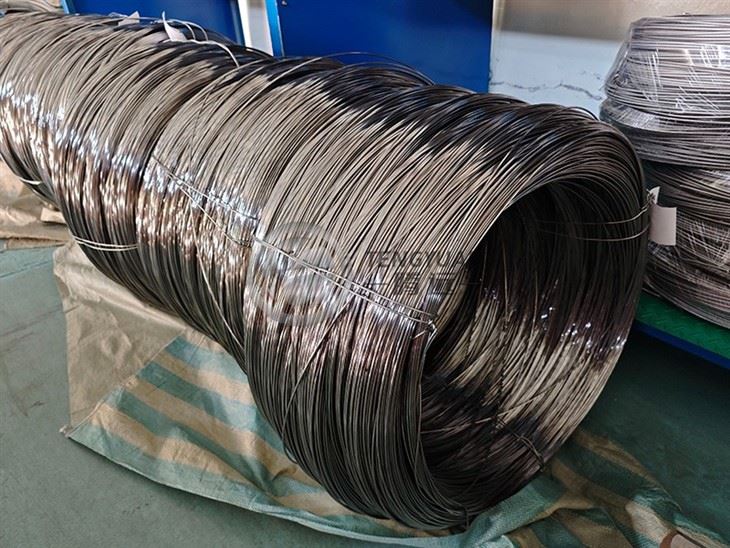
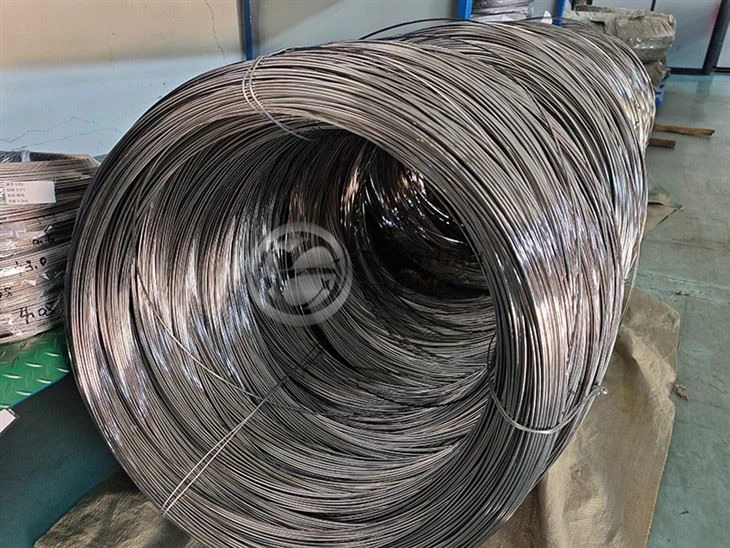
Hey there! As a supplier of GR1 Titanium Wire, I often get asked about the best ways to clean this high - quality material. Cleaning GR1 Titanium Wire is crucial to maintain its performance and appearance, whether you're using it in welding, aerospace, or other industrial applications. In this blog, I'll share some practical tips on how to clean GR1 Titanium Wire effectively.
Why Cleaning GR1 Titanium Wire is Important
First off, let's talk about why cleaning is so important. GR1 Titanium Wire is known for its excellent corrosion resistance, high strength - to - weight ratio, and biocompatibility. However, during storage, handling, or processing, it can pick up contaminants like oils, dirt, and oxides. These contaminants can have a negative impact on the wire's performance. For example, in welding applications, dirty wire can lead to poor weld quality, porosity, and reduced mechanical properties of the welded joint. So, keeping the wire clean is a must to ensure optimal results.
Pre - Cleaning Preparation
Before you start the cleaning process, there are a few things you need to do. First, gather all the necessary cleaning supplies. You'll typically need a mild detergent, a soft - bristle brush, clean water, and lint - free cloths. Make sure you're working in a well - ventilated area, especially if you're using any chemical cleaners.
Inspect the wire carefully. Look for any signs of damage, such as kinks or scratches. If you find any damaged sections, it's best to remove them before cleaning. This will prevent any further issues during the cleaning and subsequent use of the wire.
Cleaning Methods
1. Mild Detergent Cleaning
This is the most common and gentle way to clean GR1 Titanium Wire. Fill a container with warm water and add a small amount of mild detergent. Make sure the detergent is free of harsh chemicals that could damage the titanium.
Submerge the wire in the soapy water and let it soak for a few minutes. This will help loosen the dirt and oils on the surface. Then, use a soft - bristle brush to gently scrub the wire. Be careful not to apply too much pressure, as this could scratch the surface of the titanium. Pay special attention to any areas that seem particularly dirty.
After scrubbing, rinse the wire thoroughly with clean water. Make sure all the detergent is removed. You can do this by holding the wire under running water or by dunking it in a container of clean water several times.
Finally, dry the wire with a lint - free cloth. Make sure it's completely dry before storing or using it. Moisture left on the wire can lead to corrosion over time.
2. Solvent Cleaning
In some cases, mild detergent cleaning might not be enough, especially if the wire is heavily contaminated with oils or grease. In such situations, you can use a solvent. However, you need to be very careful when using solvents, as they can be flammable and harmful if inhaled.
Choose a solvent that is compatible with titanium, such as isopropyl alcohol. Pour a small amount of the solvent into a container. Dip a lint - free cloth into the solvent and gently wipe the wire. Avoid submerging the wire in the solvent for too long, as this could cause damage.
After wiping, let the wire air - dry in a well - ventilated area. Make sure all the solvent has evaporated before handling the wire further.
3. Pickling
Pickling is a more aggressive cleaning method that is used to remove oxides and scale from the surface of the GR1 Titanium Wire. It involves using an acid solution. However, this method should only be used when necessary, as it can be dangerous if not done correctly.
The most common acid used for pickling titanium is a mixture of hydrofluoric acid and nitric acid. This should be done in a controlled environment, such as a laboratory or a professional cleaning facility.
Before pickling, make sure you're wearing appropriate protective gear, including gloves, goggles, and a respirator. Immerse the wire in the acid solution for a specific period of time, which depends on the degree of oxidation. After pickling, rinse the wire thoroughly with water to neutralize the acid and prevent further corrosion.
Post - Cleaning Care
Once the wire is clean, it's important to store it properly to prevent re - contamination. Wrap the wire in a clean, dry cloth or place it in a sealed plastic bag. Store it in a cool, dry place away from direct sunlight and moisture.
If you're not going to use the wire immediately, it's a good idea to apply a thin layer of a corrosion - resistant coating. This will provide an extra layer of protection and keep the wire in good condition for a longer time.
Choosing the Right Cleaning Method
The choice of cleaning method depends on the degree of contamination and the intended use of the wire. For light dirt and oils, mild detergent cleaning is usually sufficient. If the wire has stubborn grease or oil stains, solvent cleaning might be a better option. And if there are significant oxides or scale on the surface, pickling may be necessary.
It's also important to note that different applications may have different cleanliness requirements. For example, in the aerospace industry, the wire needs to be extremely clean to ensure the safety and performance of the components. In such cases, more rigorous cleaning methods may be required.
Related Products
If you're interested in other types of titanium wire, we also offer GR2 Titanium Welding Wire and GR2 Titanium Wire. These products have their own unique properties and applications. And of course, our GR1 Titanium Welding Wire is also a great choice for various welding projects.
Conclusion
Cleaning GR1 Titanium Wire is an important step to ensure its performance and longevity. By following the right cleaning methods and taking proper care of the wire, you can get the most out of this high - quality material. Whether you're a small - scale manufacturer or a large - scale industrial user, keeping your GR1 Titanium Wire clean will help you achieve better results in your projects.
If you're interested in purchasing GR1 Titanium Wire or have any questions about cleaning or using it, feel free to reach out. We're always here to help you with your titanium wire needs and can provide you with more detailed information based on your specific requirements.
References
- "Titanium: A Technical Guide" by J. R. Davis
- "Handbook of Titanium Science and Technology" edited by R. I. Jaffee and H. M. Burte