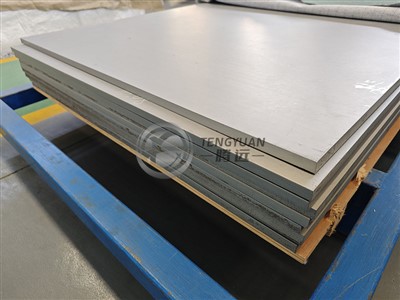
When it comes to selecting materials for various industrial applications, the cost is often a critical factor. Titanium plates, in particular, are widely used in numerous sectors due to their exceptional properties. As a titanium plates supplier, I've been closely involved in the market and understand the significance of cost comparison among different metals. In this blog, I'll delve into how the cost of titanium plates stacks up against other metals and explore the factors influencing these costs.
Understanding the Basics of Titanium Plates
Titanium is a remarkable metal known for its high strength - to - weight ratio, excellent corrosion resistance, and biocompatibility. These properties make titanium plates highly sought - after in industries such as aerospace, marine, medical, and chemical processing. For instance, GR1 Titanium Plates for Corrosion Resistant are widely used in chemical plants where corrosion is a major concern. Their ability to withstand harsh chemical environments without significant degradation ensures long - term performance and reliability.
Cost Comparison with Steel
Steel is one of the most commonly used metals in the world. It is known for its strength and relatively low cost. In general, the cost of titanium plates is significantly higher than that of steel. The price difference can be attributed to several factors. Firstly, the extraction and purification process of titanium is far more complex and energy - intensive compared to steel. Titanium ore needs to go through multiple chemical and physical processes to obtain pure titanium, while steel can be produced from iron ore through a more straightforward smelting and refining process.
Secondly, the production volume of steel is much larger than that of titanium. The economies of scale in steel production allow manufacturers to produce steel at a lower cost per unit. For large - scale construction projects, where cost is a primary consideration, steel is often the preferred choice. However, in applications where weight reduction and corrosion resistance are crucial, such as in aerospace, the benefits of titanium plates may outweigh the higher cost.
Cost Comparison with Aluminum
Aluminum is another lightweight metal that is widely used in various industries. It is known for its good corrosion resistance and relatively low cost. Compared to aluminum, titanium plates are more expensive. Aluminum has a lower melting point than titanium, which makes its production process less energy - consuming. Additionally, aluminum is more abundant in the Earth's crust, leading to lower raw material costs.
However, titanium has a much higher strength - to - weight ratio than aluminum. This means that in applications where high strength and light weight are required, such as in high - performance racing cars or military aircraft, titanium plates can offer better performance. For example, the use of GR5 U - shaped Titanium Profile in aerospace structures can provide the necessary strength while reducing the overall weight of the aircraft, leading to improved fuel efficiency and performance.
Cost Comparison with Copper
Copper is a metal known for its excellent electrical and thermal conductivity. It is also relatively easy to work with, making it a popular choice in electrical wiring, plumbing, and heat exchangers. The cost of copper is generally lower than that of titanium. Copper can be mined and refined using well - established and relatively simple methods, and its market supply is relatively stable.
On the other hand, titanium's superior corrosion resistance and strength make it a better option in certain applications. For example, in marine environments where copper may corrode quickly, titanium plates can provide long - term durability. Titanium's non - magnetic properties also make it suitable for applications where magnetic interference needs to be avoided, such as in some electronic devices.
Factors Affecting the Cost of Titanium Plates
- Raw Material Costs: The price of titanium ore can fluctuate due to factors such as mining production levels, geopolitical issues, and global demand. Any disruption in the supply of titanium ore can lead to an increase in the cost of titanium plates.
- Production Process: As mentioned earlier, the complex extraction and purification process of titanium adds to its cost. The need for specialized equipment and high - energy consumption during production also contribute to the overall cost.
- Quality and Specifications: Higher - grade titanium plates with specific properties, such as enhanced corrosion resistance or precise dimensions, will generally cost more. For example, GR2 Titanium Rod which has specific purity and mechanical property requirements, may be priced higher than standard - grade titanium products.
- Market Demand: The demand for titanium plates in different industries can also affect their cost. If there is a sudden increase in demand from the aerospace or medical industries, the price of titanium plates may rise due to limited supply.
When to Choose Titanium Plates Despite the Higher Cost
Despite the higher cost, there are many situations where titanium plates are the best choice. In the medical field, titanium's biocompatibility makes it ideal for implants such as dental implants and joint replacements. The human body does not reject titanium, and it can integrate well with bone tissue, ensuring long - term success of the implant.
In the aerospace industry, the high strength - to - weight ratio of titanium plates allows for the design of lighter and more fuel - efficient aircraft. The reduction in weight can lead to significant savings in fuel costs over the lifespan of the aircraft. In the chemical and marine industries, the excellent corrosion resistance of titanium plates ensures long - term performance in harsh environments, reducing the need for frequent replacements and maintenance.
Conclusion
In conclusion, the cost of titanium plates is higher than that of many other metals such as steel, aluminum, and copper. However, the unique properties of titanium, including its high strength - to - weight ratio, excellent corrosion resistance, and biocompatibility, make it a valuable material in many specialized applications. When considering the use of titanium plates, it is essential to weigh the benefits against the cost.
If you are in need of high - quality titanium plates for your industrial applications, we are here to assist you. We offer a wide range of titanium products, including GR1 Titanium Plates for Corrosion Resistant, GR5 U - shaped Titanium Profile, and GR2 Titanium Rod. Our team of experts can provide you with detailed information and guidance to help you make the best choice for your specific needs. We encourage you to contact us for further discussions and to start the procurement process.


References
- "Titanium: A Technical Guide" by Don Eylon
- "Metals Handbook: Properties and Selection: Nonferrous Alloys and Pure Metals" published by ASM International
- Industry reports on the global titanium market from market research firms.