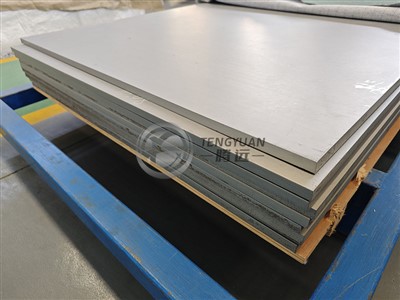
As a supplier of GR2 Titanium Plates, I've witnessed firsthand the growing interest in how these plates perform in high - humidity environments. High - humidity conditions, such as those found in coastal areas, tropical regions, or industrial settings with high moisture content, pose unique challenges to materials. In this blog, I'll delve into the performance of GR2 titanium plates under such circumstances, drawing on scientific knowledge and real - world experiences.
Properties of GR2 Titanium Plates
GR2 Titanium Plates are made from commercially pure titanium, which is known for its excellent combination of strength, ductility, and corrosion resistance. The purity of GR2 titanium typically contains about 99% titanium, with small amounts of iron, oxygen, and other elements. This composition gives GR2 titanium plates several key properties that are relevant to their performance in high - humidity environments.
First, titanium has a high affinity for oxygen. When exposed to air, a thin, adherent, and protective oxide layer forms on the surface of the GR2 titanium plate. This oxide layer is self - healing, meaning that if it is damaged, it will reform quickly in the presence of oxygen. This property is crucial for corrosion resistance, as it acts as a barrier between the metal and the surrounding environment, preventing the metal from reacting with moisture and other corrosive agents.
Second, GR2 titanium plates have relatively high strength - to - weight ratios. This makes them suitable for applications where weight is a concern, such as in aerospace and marine industries. In high - humidity environments, the strength of the plates ensures that they can withstand the mechanical stresses caused by factors like wind, waves, and the weight of equipment.
Performance in High - Humidity Environments
Corrosion Resistance
One of the most significant advantages of GR2 titanium plates in high - humidity environments is their exceptional corrosion resistance. Unlike many other metals, such as steel, which can rust rapidly in the presence of moisture and oxygen, GR2 titanium plates are highly resistant to general corrosion. The protective oxide layer on the surface of the plates prevents the penetration of water and oxygen, which are the main agents responsible for corrosion.
In coastal areas, where the air contains a high concentration of salt particles, GR2 titanium plates still perform well. Saltwater is a highly corrosive medium, but the oxide layer on the titanium plates remains stable in saltwater environments. Research has shown that GR2 titanium plates can be used in seawater applications for extended periods without significant corrosion. For example, in marine structures like offshore platforms and ship components, GR2 titanium plates can resist the corrosive effects of saltwater, reducing maintenance costs and increasing the lifespan of the structures.
However, it's important to note that while GR2 titanium plates are highly resistant to general corrosion, they can be susceptible to crevice corrosion under certain conditions. Crevice corrosion occurs in narrow gaps or crevices where the flow of oxygen is restricted. In high - humidity environments, if there are crevices in the GR2 titanium plates, such as between two plates that are bolted together, the protective oxide layer may break down in these areas, leading to localized corrosion. To prevent crevice corrosion, proper design and installation techniques should be used, such as avoiding tight crevices and ensuring good ventilation in potential crevice areas.
Mechanical Properties
In high - humidity environments, the mechanical properties of GR2 titanium plates remain relatively stable. The high - humidity conditions do not significantly affect the strength and ductility of the plates. This is in contrast to some metals, whose mechanical properties can degrade over time due to corrosion.
The stability of the mechanical properties of GR2 titanium plates is particularly important in applications where the plates are subjected to dynamic loads. For example, in shipbuilding, GR2 titanium plates are used in the construction of hulls and other structural components. These components need to withstand the forces exerted by waves and the movement of the ship. The stable mechanical properties of GR2 titanium plates ensure that the ship's structure remains strong and reliable, even in high - humidity and high - stress environments.
Fatigue Resistance
Fatigue resistance is another important property when considering the performance of GR2 titanium plates in high - humidity environments. Fatigue occurs when a material is subjected to repeated loading and unloading cycles, which can lead to the initiation and propagation of cracks. In high - humidity environments, the presence of moisture can potentially accelerate the fatigue process in some metals.
However, GR2 titanium plates have good fatigue resistance. The protective oxide layer on the surface of the plates helps to prevent the initiation of cracks caused by environmental factors. Additionally, the inherent toughness of titanium contributes to its ability to resist crack propagation. In applications such as bridges and machinery components that are exposed to high - humidity and cyclic loading, GR2 titanium plates can provide long - term performance without significant fatigue failure.
Comparison with Other Titanium Grades
When comparing GR2 titanium plates with other titanium grades, such as GR1 Titanium Plates for Ships, there are some differences in their performance in high - humidity environments. GR1 titanium is even purer than GR2 titanium, with a higher percentage of titanium and lower levels of impurities. As a result, GR1 titanium plates generally have slightly better corrosion resistance than GR2 titanium plates. However, GR2 titanium plates offer a better balance between corrosion resistance and mechanical properties.


GR2 titanium plates have higher strength than GR1 titanium plates, which makes them more suitable for applications where higher mechanical strength is required. In high - humidity environments, if the application involves both corrosion resistance and the need to withstand mechanical stresses, GR2 titanium plates may be a better choice.
On the other hand, GR2 Titanium Plates for Ships are specifically designed for marine applications. They are optimized to perform well in the harsh high - humidity and saltwater environments found in the marine industry. These plates often undergo additional processing and quality control measures to ensure their reliability in shipbuilding and other marine uses.
Applications in High - Humidity Environments
GR2 titanium plates have a wide range of applications in high - humidity environments. Some of the most common applications include:
Marine Industry
As mentioned earlier, GR2 titanium plates are widely used in the marine industry. They are used in the construction of ships, submarines, offshore platforms, and other marine structures. In ships, GR2 titanium plates can be used for hulls, decks, and other structural components. Their corrosion resistance and high strength - to - weight ratios make them ideal for these applications, as they can reduce the weight of the ship while increasing its durability.
Chemical Industry
In the chemical industry, many processes involve high - humidity and corrosive environments. GR2 titanium plates are used in the construction of chemical reactors, storage tanks, and piping systems. Their corrosion resistance allows them to withstand the aggressive chemicals and high - humidity conditions often found in chemical plants, ensuring the safety and reliability of the equipment.
Architecture
In coastal and tropical regions, GR2 titanium plates are used in architectural applications. They can be used for building facades, roofing, and other exterior elements. The corrosion resistance of GR2 titanium plates ensures that the buildings maintain their aesthetic appearance over time, even in high - humidity and harsh environmental conditions.
Conclusion
In conclusion, GR2 titanium plates perform very well in high - humidity environments. Their excellent corrosion resistance, stable mechanical properties, and good fatigue resistance make them suitable for a wide range of applications in these environments. The protective oxide layer on the surface of the plates plays a crucial role in their performance, preventing corrosion and maintaining the integrity of the material.
However, it's important to take proper precautions to ensure the long - term performance of GR2 titanium plates. This includes proper design and installation to prevent crevice corrosion and regular inspection to detect any potential issues.
If you are interested in purchasing GR2 Titanium Plates for your high - humidity environment applications, I encourage you to contact us for further information and to discuss your specific requirements. We can provide you with high - quality GR2 titanium plates and professional advice to meet your needs.
References
- "Titanium and Titanium Alloys: Fundamentals and Applications" by John C. Williams.
- "Corrosion Resistance of Titanium in Aggressive Environments" by various authors in the Journal of Corrosion Science.
- Industry reports on the use of titanium plates in marine and chemical industries.