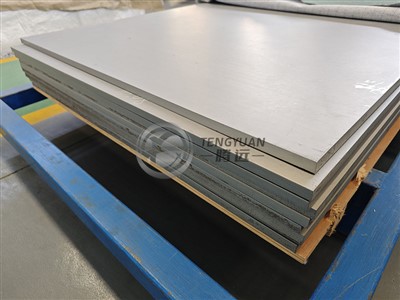
Titanium is a remarkable metal known for its excellent combination of strength, low density, and corrosion resistance. Among the various grades of titanium, GR2 titanium is one of the most widely used due to its favorable properties. As a supplier of GR2 Titanium Plates, I often receive inquiries about the tribological properties of these plates. In this blog post, I will delve into the question: Do GR2 titanium plates have good tribological properties?
Understanding Tribological Properties
Tribology is the science and engineering of interacting surfaces in relative motion. It encompasses friction, wear, and lubrication. Good tribological properties are crucial in applications where components are in contact and move relative to each other, such as in mechanical systems, bearings, and cutting tools. Friction is the force that resists the relative motion of two surfaces in contact, while wear is the removal of material from the surfaces due to this relative motion. Lubrication can be used to reduce friction and wear.
Properties of GR2 Titanium
GR2 titanium, also known as commercially pure titanium grade 2, is an unalloyed titanium with a relatively low oxygen content. It offers excellent corrosion resistance, good formability, and moderate strength. These properties make it suitable for a wide range of applications, including chemical processing, marine environments, and medical devices.
- Corrosion Resistance: GR2 titanium has a high resistance to corrosion in many environments, including seawater, chloride solutions, and most organic acids. This is due to the formation of a thin, protective oxide layer on the surface of the metal, which prevents further oxidation and corrosion. You can learn more about the corrosion-resistant properties of GR2 titanium plates here.
- Formability: GR2 titanium can be easily formed into various shapes using common metalworking techniques such as rolling, forging, and machining. This makes it a popular choice for manufacturing complex components.
- Strength: While not as strong as some alloyed titanium grades, GR2 titanium still has sufficient strength for many applications. It has a yield strength of around 275 - 415 MPa and a tensile strength of 345 - 485 MPa.
Tribological Performance of GR2 Titanium Plates
The tribological performance of GR2 titanium plates depends on several factors, including the contact conditions, the presence of lubrication, and the counterface material.
- Friction: In dry sliding conditions, GR2 titanium typically exhibits relatively high friction coefficients. This is because the surface oxide layer can be easily damaged during sliding, leading to direct metal - to - metal contact and increased friction. However, in the presence of a lubricant, the friction coefficient can be significantly reduced. For example, using a suitable oil - based lubricant can reduce the friction coefficient to a more acceptable level, making GR2 titanium suitable for applications where friction needs to be minimized.
- Wear Resistance: The wear resistance of GR2 titanium is also affected by the sliding conditions. In dry sliding against hard counterface materials, GR2 titanium can experience significant wear due to adhesive and abrasive wear mechanisms. Adhesive wear occurs when the surfaces stick together and material is transferred from one surface to the other, while abrasive wear is caused by the scratching of the surface by hard particles. However, when properly lubricated or when used in combination with a compatible counterface material, the wear resistance of GR2 titanium can be improved. For instance, using a ceramic counterface can reduce wear compared to a steel counterface.
Applications and Tribological Requirements
GR2 titanium plates are used in a variety of applications where their tribological properties play an important role.
- Chemical Industry: In the chemical industry, GR2 titanium plates are used for equipment such as heat exchangers, reactors, and storage tanks. While the primary requirement in these applications is corrosion resistance, the tribological properties can also be important during the installation and maintenance processes. For example, when two GR2 titanium components are assembled, the friction and wear characteristics can affect the ease of assembly and the long - term performance of the joint. You can find more information about GR2 titanium plates for the chemical industry here.
- Marine Applications: In marine environments, GR2 titanium plates are used for shipbuilding, offshore platforms, and desalination plants. The plates are often in contact with seawater and other abrasive particles, so good corrosion resistance and wear resistance are essential. The tribological properties of GR2 titanium can be enhanced by using appropriate surface treatments or coatings to protect the surface from wear and corrosion.
- Medical Devices: GR2 titanium is widely used in medical devices such as orthopedic implants and dental implants. In these applications, the tribological properties are crucial for the long - term performance of the implants. The implants need to have low friction and good wear resistance to minimize the generation of wear debris, which can cause inflammation and other complications in the body.
Improving Tribological Properties
There are several ways to improve the tribological properties of GR2 titanium plates:


- Surface Treatments: Surface treatments such as nitriding, carburizing, and coating can be used to improve the wear resistance and reduce the friction of GR2 titanium. Nitriding involves introducing nitrogen into the surface of the titanium to form a hard nitride layer. Carburizing is similar but involves introducing carbon. Coating the surface with materials such as diamond - like carbon (DLC) or ceramic coatings can also provide a hard, low - friction surface.
- Lubrication: As mentioned earlier, using a suitable lubricant can significantly reduce friction and wear. Lubricants can be classified into different types, such as oil - based, grease - based, and solid lubricants. The choice of lubricant depends on the application requirements, such as the operating temperature, load, and speed.
- Counterface Selection: Choosing the right counterface material can also improve the tribological performance of GR2 titanium. For example, using a softer or more compatible material as the counterface can reduce wear and friction.
Comparison with Other Titanium Grades
When comparing the tribological properties of GR2 titanium plates with other titanium grades, such as GR1 titanium, there are some differences. GR1 titanium is even more pure than GR2 titanium, with a lower oxygen content. It has slightly lower strength but better formability. In terms of tribological properties, GR1 titanium may have similar friction and wear characteristics to GR2 titanium in dry sliding conditions. However, due to its higher purity, GR1 titanium may form a more stable oxide layer, which could potentially improve its corrosion and wear resistance in some environments. You can learn more about GR1 titanium plates for corrosion resistance here.
Conclusion
In conclusion, the tribological properties of GR2 titanium plates are a complex topic that depends on multiple factors. In dry sliding conditions, GR2 titanium may have relatively high friction and limited wear resistance. However, with the use of lubrication, appropriate surface treatments, and proper counterface selection, the tribological performance can be significantly improved. GR2 titanium plates are still a viable option for many applications where a combination of corrosion resistance, formability, and acceptable tribological properties is required.
If you are interested in purchasing GR2 titanium plates for your specific application, I encourage you to contact us for a detailed discussion. We can provide you with high - quality GR2 titanium plates and offer technical support to ensure that the plates meet your tribological and other requirements.
References
- ASTM International. Standard Specification for Titanium and Titanium Alloy Strip, Sheet, and Plate. ASTM B265 - 15.
- "Tribology of Titanium Alloys" by various authors in the Journal of Tribology.
- "Corrosion and Tribological Behavior of Titanium and Its Alloys" in the Handbook of Tribology.