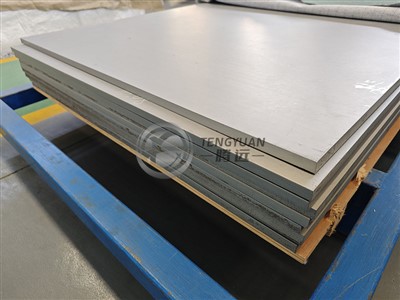
U-shaped titanium profiles are known for their excellent corrosion resistance, high strength-to-weight ratio, and good biocompatibility. These properties make them a popular choice in various industries, including aerospace, automotive, and chemical processing. But the question remains: Can U-shaped titanium profiles be used in food processing applications? As a supplier of U-shaped titanium profiles, I'll delve into this topic to provide a comprehensive answer.
Properties of Titanium Relevant to Food Processing
First, let's look at the key properties of titanium that could potentially make it suitable for food processing. Titanium is highly resistant to corrosion, even in harsh chemical environments. This resistance is due to the formation of a thin, protective oxide layer on its surface. In food processing, where equipment often comes into contact with acidic or alkaline substances, corrosion resistance is crucial to prevent contamination of the food product and to ensure the longevity of the equipment.
Another important property is its biocompatibility. Titanium is widely used in medical implants because it does not react with the human body. In the context of food processing, this means that titanium is unlikely to leach harmful substances into the food, making it a safe material for use in contact with edible products.
Titanium also has a high strength-to-weight ratio, which means that U-shaped titanium profiles can be used to construct lightweight yet sturdy equipment. This is beneficial in food processing plants, where heavy machinery can be difficult to move and maintain. The use of titanium profiles can reduce the overall weight of the equipment without sacrificing strength, leading to more efficient and cost - effective operations.
Regulatory Considerations
Before using U-shaped titanium profiles in food processing applications, it's essential to consider regulatory requirements. In many countries, materials used in food processing must meet strict safety standards. For example, in the United States, the Food and Drug Administration (FDA) regulates the use of materials in contact with food. Titanium is generally recognized as safe (GRAS) for use in food contact applications when it meets certain purity and quality criteria.
In the European Union, the European Food Safety Authority (EFSA) also has regulations regarding food contact materials. Manufacturers must ensure that the U-shaped titanium profiles they use comply with these regulations to avoid legal issues and to guarantee the safety of the food products.
Examples of Applications in Food Processing
U-shaped titanium profiles can be used in a variety of food processing applications. For instance, they can be used in the construction of conveyor systems. Conveyor belts are an integral part of food processing plants, and using U-shaped titanium profiles to support and guide the belts can improve their durability and performance. The corrosion resistance of titanium ensures that the conveyor system will not rust or corrode when exposed to food residues, cleaning agents, or moisture.
They can also be used in the manufacturing of mixing tanks. Mixing is a common process in food production, and the U-shaped profiles can be used to reinforce the structure of the tanks. The high strength of titanium allows the tanks to withstand the pressure and agitation during the mixing process, while its biocompatibility ensures that the food inside remains uncontaminated.
In addition, U-shaped titanium profiles can be used in the design of food storage containers. These containers need to be resistant to corrosion and able to maintain the quality of the food over time. Titanium's properties make it an ideal material for this purpose, as it can prevent the growth of bacteria and the degradation of the food due to chemical reactions.
Comparison with Other Materials
When considering the use of U-shaped titanium profiles in food processing, it's important to compare them with other commonly used materials. Stainless steel is a popular choice in the food industry due to its corrosion resistance and relatively low cost. However, titanium offers superior corrosion resistance, especially in more aggressive chemical environments. Stainless steel may also be prone to pitting corrosion in the presence of certain salts, which can lead to contamination of the food.
Aluminum is another material used in food processing. While it is lightweight and relatively inexpensive, it is less corrosion - resistant than titanium. Aluminum can react with acidic foods, which may result in the leaching of aluminum ions into the food, which could potentially be harmful to human health.
Our Product Offerings
As a supplier of U-shaped titanium profiles, we offer a range of products suitable for different applications. Our GR2 U-shaped Titanium Profile is made from Grade 2 titanium, which is known for its excellent corrosion resistance and good formability. This profile is ideal for applications where high - quality and reliable performance are required.
We also have U-shaped Titanium Profile for Chemical Industry. Although designed for the chemical industry, its properties also make it suitable for food processing applications that involve contact with aggressive chemicals.


For marine - related food processing applications, such as fish processing plants located near the sea, our U-shaped Titanium Profile for Ships can be a great choice. It is highly resistant to seawater corrosion, which is important in an environment where the equipment may be exposed to saltwater.
Cost Considerations
One of the main concerns when using U-shaped titanium profiles in food processing is the cost. Titanium is generally more expensive than stainless steel or aluminum. However, when considering the long - term benefits, such as reduced maintenance costs, longer equipment lifespan, and better food safety, the initial investment in titanium can be justified.
The high corrosion resistance of titanium means that the equipment will not need to be replaced as frequently as equipment made from other materials. This can result in significant cost savings over time. Additionally, the biocompatibility of titanium reduces the risk of food contamination, which can prevent costly product recalls and damage to the company's reputation.
Conclusion
In conclusion, U-shaped titanium profiles can be used in food processing applications. Their corrosion resistance, biocompatibility, and high strength - to - weight ratio make them a suitable material for a variety of food processing equipment. However, it's important to ensure that the profiles comply with regulatory requirements and to consider the cost - benefit analysis.
If you are interested in using U-shaped titanium profiles in your food processing operations, we encourage you to contact us for a detailed discussion. Our team of experts can provide you with more information about our products and help you choose the right profiles for your specific needs. We look forward to the opportunity to work with you and contribute to the success of your food processing business.
References
- Food and Drug Administration (FDA). Regulations on food contact materials.
- European Food Safety Authority (EFSA). Guidelines for materials in contact with food.
- Technical literature on titanium properties and applications in various industries.