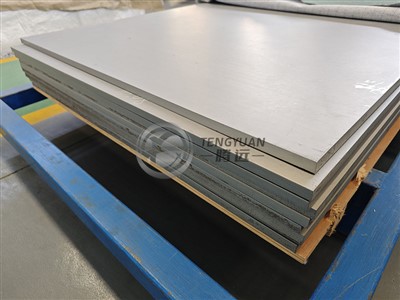
Hey there! I'm a supplier of GR2 Titanium Plates, and today I want to dig into a super interesting question: Can GR2 titanium plates be used in wastewater treatment plants?
First off, let's talk a bit about what GR2 titanium plates are. GR2 titanium is a type of commercially pure titanium. It's known for its excellent corrosion resistance, good formability, and relatively high strength - to - weight ratio. You can check out more about GR2 Titanium Plates on our website.
Now, let's get to the wastewater treatment plants. These places are crucial for our environment. They clean up all sorts of wastewater, from domestic sewage to industrial effluents, before releasing it back into the environment. The conditions in a wastewater treatment plant can be pretty harsh. There are various chemicals, high humidity, and sometimes even abrasive materials in the water.
One of the main reasons GR2 titanium plates could be a great fit for wastewater treatment plants is their corrosion resistance. Wastewater often contains corrosive substances like acids, alkalis, and salts. For example, in industrial wastewater, there might be strong acids from metal - plating processes or alkalis from textile manufacturing. Regular metals like steel would quickly corrode in such an environment, leading to leaks, structural failures, and costly replacements. But GR2 titanium has a naturally occurring oxide layer on its surface. This layer acts as a protective shield, preventing the metal from reacting with the corrosive agents in the wastewater.
Another aspect is the durability of GR2 titanium plates. In a wastewater treatment plant, equipment needs to last a long time. The treatment process is continuous, and any breakdown can disrupt the entire operation. GR2 titanium's high strength - to - weight ratio means that it can withstand the mechanical stresses in the plant, such as the pressure from water flow and the impact of solid particles in the wastewater. This durability can save a lot of money in the long run, as there will be less need for frequent repairs and replacements.
Let's also consider the formability of GR2 titanium. It can be easily fabricated into different shapes and sizes. This is really useful in a wastewater treatment plant where there are various types of equipment, such as tanks, pipes, and heat exchangers. The plates can be cut, bent, and welded to create custom - made components that fit perfectly into the plant's infrastructure.
However, it's not all sunshine and rainbows. One of the potential drawbacks is the cost. GR2 titanium is more expensive than some traditional materials like steel. But when you factor in the long - term savings from reduced maintenance and replacement costs, it might actually be a cost - effective option in the end.
Now, let's compare GR2 titanium plates with some other materials commonly used in wastewater treatment plants. For instance, GR1 Titanium Plates are also commercially pure titanium, but GR2 has a slightly higher strength. GR1 might be a better choice for applications where formability is the main concern and the corrosion resistance requirements are not as extreme. On the other hand, GR2 offers a good balance between strength and corrosion resistance, making it suitable for a wider range of applications in the plant.
If we look at the use of GR2 titanium plates in specific parts of a wastewater treatment plant:


- Tanks: Tanks are used to store and treat the wastewater. GR2 titanium plates can be used to construct these tanks. Their corrosion resistance ensures that the tank walls won't corrode, preventing leaks and contamination of the surrounding environment.
- Pipes: Pipes are used to transport the wastewater within the plant. GR2 titanium pipes can handle the flow of corrosive wastewater without getting damaged. They also have a smooth inner surface, which reduces friction and improves the efficiency of the water flow.
- Heat exchangers: Heat exchangers are used to transfer heat in the treatment process. GR2 titanium's good thermal conductivity and corrosion resistance make it an ideal material for heat exchanger tubes. It can transfer heat efficiently while resisting the corrosive effects of the wastewater.
In some cases, GR2 titanium plates can also be used in the ship - related parts of a wastewater treatment plant. GR1 Titanium Plates for Ships are often used in shipbuilding, and GR2 titanium can offer similar benefits in the parts of the plant that are related to ships, such as the wastewater treatment systems on board or in port - side treatment facilities.
In conclusion, GR2 titanium plates have a lot of potential in wastewater treatment plants. Their corrosion resistance, durability, and formability make them a strong candidate for various applications in the plant. Although the initial cost might be higher, the long - term savings in maintenance and replacement costs are significant.
If you're in the wastewater treatment industry and are considering using GR2 titanium plates for your plant, I'd love to have a chat with you. We can discuss your specific needs, and I can provide you with more detailed information about our products. Whether it's for new construction or upgrading an existing plant, GR2 titanium plates could be the solution you're looking for.
References:
- ASM Handbook, Volume 2: Properties and Selection: Nonferrous Alloys and Special - Purpose Materials.
- Titanium: A Technical Guide, Second Edition by John R. Welch.