

When it comes to industrial materials, titanium stands out for its remarkable properties, and GR2 titanium plates are no exception. As a supplier of GR2 Titanium Plates, I often encounter questions from clients regarding the machinability of these plates, especially the ease of cutting. In this blog, I'll delve into the factors that affect the cutting process of GR2 titanium plates and provide insights into whether they can be cut easily.
Understanding GR2 Titanium Plates
GR2 titanium is an unalloyed titanium grade, known for its excellent corrosion resistance, good formability, and moderate strength. It is widely used in various industries, including chemical processing, marine, and aerospace. GR2 Titanium Plates for Ships are particularly popular due to their ability to withstand harsh marine environments. Similarly, GR1 Titanium Plates for Chemical Industry are favored for their corrosion resistance in chemical processing applications.
Factors Affecting the Cutting of GR2 Titanium Plates
1. Material Properties
Titanium, including GR2, has unique material properties that influence its cutting process. One of the main challenges is its high strength-to-weight ratio. While this property makes titanium an ideal choice for many applications, it also means that more force is required to cut through the material compared to softer metals. Additionally, titanium has a relatively low thermal conductivity. During the cutting process, heat is generated, and since the heat cannot dissipate quickly, it can accumulate at the cutting edge. This can lead to increased tool wear and reduced cutting efficiency.
2. Cutting Method
The choice of cutting method plays a crucial role in determining the ease of cutting GR2 titanium plates. There are several cutting methods available, each with its own advantages and limitations.
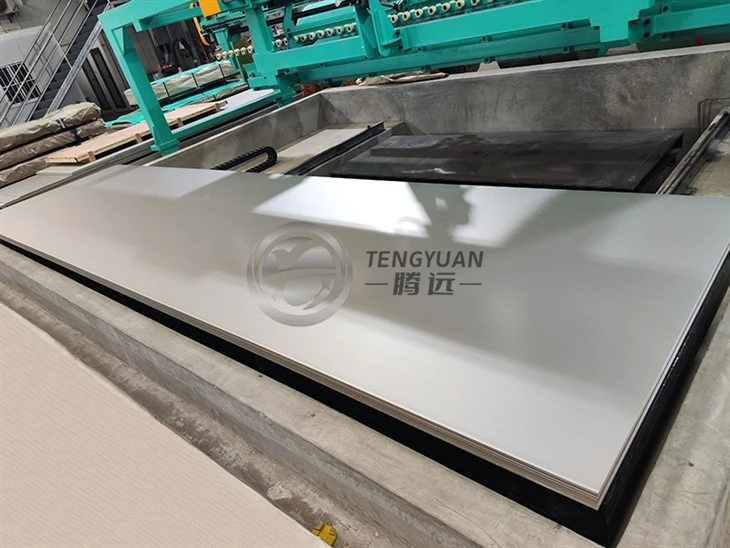

- Mechanical Cutting: This includes methods such as sawing and shearing. Sawing can be effective for cutting thinner GR2 titanium plates, but it requires sharp blades and proper cutting parameters. Shearing, on the other hand, is suitable for straight cuts but may not be ideal for complex shapes. The high strength of titanium can cause the blades to wear quickly, and the cutting process may require more power compared to other metals.
- Thermal Cutting: Processes like plasma cutting and laser cutting are commonly used for titanium. Plasma cutting uses a high-velocity jet of ionized gas to melt and remove the material. It is relatively fast and can cut through thick GR2 titanium plates. However, it can also produce a heat-affected zone (HAZ) around the cut, which may affect the material properties. Laser cutting, on the other hand, offers high precision and a narrow HAZ. It is suitable for cutting intricate shapes but may be more expensive and require specialized equipment.
- Waterjet Cutting: This method uses a high-pressure jet of water mixed with abrasive particles to cut through the material. Waterjet cutting is a cold cutting process, which means it does not generate heat and does not cause a HAZ. It is suitable for cutting GR2 titanium plates of various thicknesses and can produce clean, precise cuts. However, the cutting speed may be slower compared to thermal cutting methods.
3. Tooling and Equipment
The quality of the cutting tools and equipment used also affects the cutting process. For mechanical cutting, high-quality saw blades made from carbide or diamond-tipped materials are recommended to ensure long tool life and efficient cutting. When using thermal cutting methods, the cutting equipment needs to be properly maintained and calibrated to achieve optimal results. Additionally, the cutting parameters, such as cutting speed, feed rate, and power, need to be carefully adjusted based on the thickness and properties of the GR2 titanium plates.
Can GR2 Titanium Plates Be Cut Easily?
The answer to whether GR2 titanium plates can be cut easily is not straightforward. It depends on several factors, as discussed above. Compared to softer metals like aluminum or mild steel, GR2 titanium plates are more difficult to cut due to their high strength and low thermal conductivity. However, with the right cutting method, tooling, and equipment, it is possible to achieve efficient and precise cuts.
For small-scale or simple cutting tasks, mechanical cutting methods like sawing may be sufficient. However, for larger projects or complex shapes, thermal or waterjet cutting methods are often preferred. Plasma cutting is a cost-effective option for thick plates, while laser cutting offers high precision for intricate designs. Waterjet cutting is a versatile method that can handle a wide range of thicknesses and shapes without causing a HAZ.
Tips for Cutting GR2 Titanium Plates
- Select the Right Cutting Method: Choose the cutting method based on the thickness, shape, and quantity of the GR2 titanium plates. Consider the advantages and limitations of each method and select the one that best suits your requirements.
- Use High-Quality Tools and Equipment: Invest in high-quality cutting tools and equipment to ensure long tool life and efficient cutting. Follow the manufacturer's recommendations for tool selection and maintenance.
- Optimize Cutting Parameters: Adjust the cutting parameters, such as cutting speed, feed rate, and power, based on the material properties and cutting method. This will help to achieve the best cutting results and minimize tool wear.
- Cooling and Lubrication: Use appropriate cooling and lubrication methods to reduce heat generation and tool wear. For mechanical cutting, lubricants can help to improve the cutting process and extend the life of the blades.
- Safety Precautions: When cutting GR2 titanium plates, it is important to follow safety precautions. Wear appropriate personal protective equipment, such as gloves, goggles, and ear protection. Ensure that the cutting area is well-ventilated to prevent the inhalation of fumes.
Conclusion
In conclusion, while GR2 titanium plates are not as easy to cut as some other metals, they can be cut efficiently with the right approach. Understanding the material properties, choosing the appropriate cutting method, using high-quality tools and equipment, and optimizing the cutting parameters are key to achieving successful cuts. As a supplier of GR2 titanium plates, I am committed to providing my clients with the best products and technical support. If you have any questions or need assistance with cutting GR2 titanium plates, please feel free to contact me for further discussion and procurement.
References
- ASM Handbook, Volume 2: Properties and Selection: Nonferrous Alloys and Special-Purpose Materials. ASM International.
- Titanium: A Technical Guide. Don Eylon, et al. ASM International.


