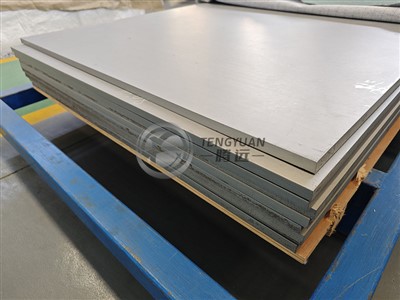
Hey there! As a supplier of GR2 Titanium Plates, I often get asked about the differences between GR2 and other grades of titanium plates. So, I thought I'd write this blog to break it down for you in a simple and easy - to - understand way.
Chemical Composition
Let's start with the chemical composition. Titanium plates come in different grades, each with its own unique mix of elements. GR2 Titanium Plates are made up mostly of titanium, with a small amount of other elements like iron, oxygen, and carbon. The low levels of these impurities make GR2 a pure form of titanium. You can check out more about GR2 Titanium Plates on our website.
In contrast, other grades have different elemental compositions. For example, GR1 Titanium Plates have even lower levels of iron and oxygen compared to GR2. They're great for applications where high corrosion resistance is needed, especially in environments with mild corrosive agents. You can learn more about GR1 Titanium Plates for Corrosion Resistant if you're interested in this grade.
On the other hand, some higher - numbered grades might have alloying elements like aluminum, vanadium, or molybdenum. These alloying elements are added to enhance specific properties, such as strength or heat resistance. But because GR2 is relatively pure, it has its own set of advantages that are different from these alloyed grades.
Mechanical Properties
When it comes to mechanical properties, GR2 Titanium Plates have a good balance. They're not as strong as some of the high - strength alloy grades, but they're still tough enough for many applications. The tensile strength of GR2 is around 345 - 485 MPa, which is sufficient for a wide range of uses.
The ductility of GR2 is quite good. It can be easily formed into different shapes, which is a big plus in manufacturing. You can bend, roll, or press GR2 plates without much trouble. This makes it ideal for applications where complex shapes are required, like in the chemical industry. GR2 Titanium Plates for Chemical Industry are often used to make tanks, pipes, and other equipment because of their formability.
Higher - grade titanium plates, especially those with alloying elements, tend to have higher strength but lower ductility. They're more suitable for applications where high - stress situations are expected, like in aerospace components. However, the forming process for these grades can be more challenging and costly.
Corrosion Resistance
One of the standout features of GR2 Titanium Plates is their excellent corrosion resistance. Titanium forms a thin, protective oxide layer on its surface when exposed to oxygen. This layer acts as a barrier, preventing further corrosion. GR2 has a great ability to maintain this oxide layer, even in harsh environments.
It can resist corrosion from many chemicals, including acids, alkalis, and salts. This makes it a popular choice in the chemical processing industry, where equipment is constantly in contact with corrosive substances. In comparison, some other grades might have better corrosion resistance in specific environments. For example, GR1 has slightly better corrosion resistance in very mild conditions, but the difference is often negligible in most practical applications.
On the flip side, some alloyed grades may be more prone to corrosion in certain situations. The alloying elements can sometimes react with specific chemicals, reducing the overall corrosion resistance. So, it's important to choose the right grade based on the specific corrosive environment of your application.
Cost
Cost is always a factor when choosing a material. GR2 Titanium Plates are generally more cost - effective compared to some of the higher - grade alloyed titanium plates. The production process for GR2 is relatively straightforward because it doesn't require the addition of expensive alloying elements.
This makes it a great option for budget - conscious projects without sacrificing too much in terms of performance. If you're looking for a good balance between cost and quality, GR2 is definitely worth considering. However, if your application requires the extreme strength or heat resistance that only higher - grade alloys can provide, then you might have to pay a premium.
Applications
The applications of GR2 Titanium Plates are diverse. In the chemical industry, as I mentioned earlier, it's used to make storage tanks, reaction vessels, and piping systems. Its corrosion resistance and formability make it an ideal material for these applications.


In the marine industry, GR2 is used for boat components, such as hulls and propellers. The saltwater environment is highly corrosive, and GR2 can withstand it well. It's also used in the automotive industry for parts that need to be lightweight and corrosion - resistant, like exhaust systems.
Other grades have different application areas. Higher - strength alloy grades are used in aerospace, where weight reduction and high - stress resistance are crucial. GR1 is often used in medical devices because of its high biocompatibility and excellent corrosion resistance.
Conclusion
In conclusion, GR2 Titanium Plates have their own unique set of characteristics that set them apart from other grades of titanium plates. Their good balance of mechanical properties, excellent corrosion resistance, cost - effectiveness, and wide range of applications make them a popular choice in many industries.
If you're in the market for titanium plates and think GR2 might be the right fit for your project, I'd love to talk to you. Whether you have questions about the material, need a quote, or want to discuss your specific requirements, don't hesitate to reach out. Let's have a chat and see how we can work together to meet your needs.
References
- ASM Handbook, Volume 2: Properties and Selection: Nonferrous Alloys and Special - Purpose Materials
- Titanium: A Technical Guide, Second Edition