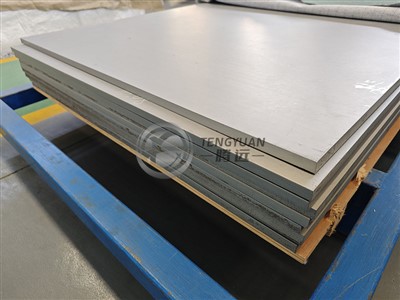
Hey there! As a supplier of h-shaped titanium profiles, I've seen firsthand how crucial proper storage is. These profiles are used in a bunch of industries, like shipbuilding, the chemical sector, and more. In this blog, I'll share some tips on how to store h-shaped titanium profiles correctly.
Why Proper Storage Matters
First off, let's talk about why storing these profiles properly is so important. Titanium is a super - cool metal. It's strong, lightweight, and resistant to corrosion. But if it's not stored right, it can get damaged. And damaged profiles mean unhappy customers and lost money for us suppliers.
If h - shaped titanium profiles are exposed to the wrong conditions, they can develop surface defects, like scratches or oxidation. Oxidation can weaken the metal over time, reducing its strength and durability. This is a big no - no, especially when these profiles are used in critical applications like H-shaped Titanium Profile for Ships. Ships need strong and reliable materials to withstand the harsh marine environment.
Choosing the Right Storage Location
The first step in proper storage is picking the right spot. You want a place that's dry and well - ventilated. Moisture is the enemy of titanium. It can cause rust and other forms of corrosion. So, avoid areas that are prone to flooding or high humidity.
A warehouse is usually a good choice. But make sure it's clean and free of debris. Dirt and dust can scratch the surface of the profiles during handling. Also, keep the storage area away from sources of heat and direct sunlight. Excessive heat can change the properties of the titanium, making it less strong.
Pre - storage Preparation
Before you store the h - shaped titanium profiles, you need to do a bit of prep work. First, clean the profiles thoroughly. Remove any dirt, oil, or grease that might be on the surface. You can use a mild detergent and a soft cloth for this. Make sure to dry the profiles completely after cleaning.
Next, inspect the profiles for any damage. Look for cracks, dents, or other defects. If you find any, mark them clearly and decide whether the profiles are still usable. It's better to catch these issues early rather than having the customer discover them later.
Storage Racks and Shelving
Invest in good quality storage racks and shelving. These will help keep the profiles organized and prevent them from getting damaged. The racks should be strong enough to support the weight of the profiles. They should also be designed in a way that allows easy access to the profiles.
When placing the profiles on the racks, make sure they are arranged neatly. Don't stack them too high, as this can cause the bottom profiles to bend or get damaged. You can use dividers or spacers to keep the profiles separated and prevent them from rubbing against each other.
Protection from Physical Damage
Physical damage is a common problem during storage. To prevent this, you can use protective covers or sleeves. These can be made of plastic or other soft materials. They will protect the profiles from scratches and dents.
If you're storing the profiles outdoors, you can use tarps to cover them. But make sure the tarps are secured properly so they don't blow off in the wind. Also, check the covers regularly for any signs of damage or wear.
Handling During Storage
Proper handling is key to keeping the profiles in good condition. When moving the profiles, use the right equipment. Forklifts, cranes, or other lifting devices should be used with care. Make sure the equipment is in good working condition and that the operators are trained.


Avoid dragging the profiles on the floor. This can cause scratches and damage to the edges. Instead, lift them carefully and place them on the storage racks.
Monitoring the Storage Conditions
Once the profiles are stored, you need to keep an eye on the storage conditions. Regularly check the temperature and humidity levels in the storage area. You can use a thermometer and a hygrometer for this. If the conditions are not within the acceptable range, take action to correct them.
Also, inspect the profiles regularly for any signs of damage or corrosion. Look for changes in color, texture, or shape. If you notice anything suspicious, take the necessary steps to address the issue.
Specific Considerations for Different Grades
Different grades of h - shaped titanium profiles may have different storage requirements. For example, GR2 H-shaped Titanium Profile is a popular grade. It has good corrosion resistance, but it still needs to be stored properly.
Some grades may be more sensitive to certain environmental factors. So, make sure you know the specific requirements of the grade you're storing. This will help you take the right precautions and ensure the profiles stay in good condition.
Storage for Chemical Industry Applications
If the h - shaped titanium profiles are for H-shaped Titanium Profile for Chemical Industry, there are some extra things to consider. Chemicals can be very corrosive, so the profiles need to be protected from any potential chemical exposure.
Store the profiles in a separate area away from chemicals. Make sure the storage area is well - sealed to prevent any chemical fumes from getting in. Also, use protective coatings on the profiles if necessary.
Conclusion
Proper storage of h - shaped titanium profiles is essential for maintaining their quality and performance. By choosing the right storage location, doing pre - storage preparation, using proper handling techniques, and monitoring the storage conditions, you can ensure that the profiles stay in top shape.
If you're in the market for high - quality h - shaped titanium profiles, we're here to help. We've got a wide range of profiles to meet your needs. Whether it's for ships, the chemical industry, or other applications, we've got you covered. Feel free to reach out and start a conversation about your procurement needs. We're always happy to chat and find the best solutions for you.
References
- Titanium Alloy Handbook.
- Industry standards for titanium profile storage.