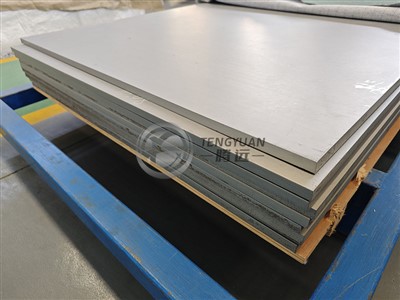
Hey there! As a supplier of h-shaped titanium profiles, I've seen my fair share of issues when it comes to handling these valuable materials. One of the most common problems is scratches, which can not only affect the appearance of the profiles but also potentially compromise their structural integrity. In this blog post, I'm going to share some tips on how to prevent scratches on h-shaped titanium profiles during handling.
Understanding the Problem
Before we dive into the solutions, it's important to understand why scratches occur in the first place. H-shaped titanium profiles are relatively soft compared to some other metals, which makes them more susceptible to scratches. During handling, they can come into contact with rough surfaces, sharp edges, or abrasive materials, all of which can cause scratches. Additionally, improper handling techniques, such as dragging or dropping the profiles, can also lead to scratches.
Proper Handling Techniques
One of the most effective ways to prevent scratches on h-shaped titanium profiles is to use proper handling techniques. Here are some tips to keep in mind:
- Use Lifting Equipment: When moving h-shaped titanium profiles, always use appropriate lifting equipment, such as cranes, forklifts, or hoists. This will help to minimize the risk of dropping or dragging the profiles, which can cause scratches.
- Protect the Profiles: Before handling the profiles, make sure to protect them with appropriate padding or covers. This can include using rubber mats, foam padding, or plastic sheeting to prevent the profiles from coming into contact with rough surfaces or sharp edges.
- Avoid Overloading: When stacking h-shaped titanium profiles, make sure not to overload them. Overloading can cause the profiles to bend or warp, which can lead to scratches.
- Use Gloves: When handling h-shaped titanium profiles, always wear gloves to prevent fingerprints and other marks from being left on the surface.
Storage and Transportation
In addition to proper handling techniques, it's also important to pay attention to storage and transportation. Here are some tips to keep in mind:
- Store the Profiles Properly: When storing h-shaped titanium profiles, make sure to store them in a clean, dry, and well-ventilated area. This will help to prevent rust and other forms of corrosion, which can also cause scratches.
- Use Appropriate Packaging: When transporting h-shaped titanium profiles, make sure to use appropriate packaging to protect them from damage. This can include using wooden crates, plastic containers, or cardboard boxes.
- Secure the Profiles: When transporting h-shaped titanium profiles, make sure to secure them properly to prevent them from shifting or moving during transit. This can include using straps, ropes, or other securing devices.
Surface Protection
Another way to prevent scratches on h-shaped titanium profiles is to use surface protection. Here are some options to consider:
- Coatings: Applying a protective coating to the surface of the h-shaped titanium profiles can help to prevent scratches. There are a variety of coatings available, including powder coatings, paint coatings, and ceramic coatings.
- Films: Applying a protective film to the surface of the h-shaped titanium profiles can also help to prevent scratches. There are a variety of films available, including polyethylene films, polypropylene films, and PVC films.
- Laminates: Applying a protective laminate to the surface of the h-shaped titanium profiles can also help to prevent scratches. There are a variety of laminates available, including acrylic laminates, polyester laminates, and vinyl laminates.
Training and Education
Finally, it's important to provide training and education to your employees on how to prevent scratches on h-shaped titanium profiles. Here are some tips to keep in mind:
- Provide Training: Make sure to provide your employees with proper training on how to handle, store, and transport h-shaped titanium profiles. This can include training on proper lifting techniques, the use of protective equipment, and the importance of surface protection.
- Set Clear Guidelines: Establish clear guidelines and procedures for handling, storing, and transporting h-shaped titanium profiles. Make sure your employees are aware of these guidelines and understand the importance of following them.
- Encourage Feedback: Encourage your employees to provide feedback on any issues or concerns they have regarding the handling of h-shaped titanium profiles. This can help you to identify areas for improvement and make necessary changes to your processes.
Conclusion
Preventing scratches on h-shaped titanium profiles during handling is essential to maintaining their quality and appearance. By using proper handling techniques, paying attention to storage and transportation, using surface protection, and providing training and education to your employees, you can minimize the risk of scratches and ensure that your h-shaped titanium profiles arrive at their destination in perfect condition.
If you're interested in purchasing high-quality h-shaped titanium profiles, we offer a wide range of options, including GR2 H-shaped Titanium Profile, H-shaped Titanium Profile for Ships, and H-shaped Titanium Profile for Chemical Industry. Contact us today to learn more about our products and how we can meet your specific needs.


References
- "Titanium: Properties, Processing, and Applications." ASM International, 2000.
- "Handbook of Titanium Science and Technology." Springer, 2013.
- "Titanium Alloys: Fundamentals and Applications." John Wiley & Sons, 2013.