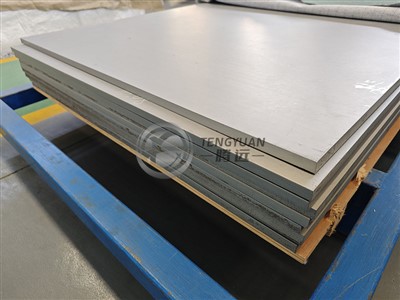
Cutting a titanium square tube is a task that requires precision, the right tools, and a good understanding of the material's properties. As a supplier of high - quality titanium square tubes, I've witnessed firsthand the importance of proper cutting techniques in various industries. In this blog post, I'll share some insights on how to cut a titanium square tube effectively.
Understanding Titanium Square Tubes
Titanium is a remarkable metal known for its high strength - to - weight ratio, excellent corrosion resistance, and biocompatibility. Our company offers a wide range of titanium square tubes, including GR5 Titanium Square Tube, which is widely used in aerospace, automotive, and medical applications due to its superior mechanical properties. We also provide Titanium Square Tube for Chemical Industry and Titanium Square Tubes for Ships, tailored to the specific needs of these industries.
However, cutting titanium square tubes is not as straightforward as cutting other metals. Titanium has a relatively low thermal conductivity, which means that heat generated during the cutting process can accumulate quickly, leading to tool wear and potential damage to the tube. Additionally, titanium is prone to work - hardening, which can make it more difficult to cut as the process progresses.
Tools Required for Cutting Titanium Square Tubes
Before you start cutting, it's essential to gather the right tools. Here are some of the commonly used tools for cutting titanium square tubes:
1. Band Saw
A band saw is a popular choice for cutting titanium square tubes. It offers a continuous cutting action, which can help reduce heat buildup. Make sure to use a blade specifically designed for cutting titanium. These blades usually have a high tooth count and are made from high - speed steel or carbide - tipped materials.
2. Abrasive Cut - Off Wheel
An abrasive cut - off wheel can be used for quick cuts. However, this method generates a significant amount of heat, so it's crucial to use coolant to prevent overheating. The cut - off wheel should be made from a material suitable for cutting titanium, such as aluminum oxide or silicon carbide.
3. Plasma Cutter
Plasma cutting is a fast and efficient method for cutting titanium square tubes. It uses a high - velocity jet of ionized gas to melt and remove the material. Plasma cutters are particularly useful for cutting thicker tubes. However, they require a certain level of skill to operate, and the cut edges may need some post - processing to achieve a smooth finish.
4. Water Jet Cutter
A water jet cutter is a precision cutting tool that uses a high - pressure stream of water mixed with an abrasive material to cut through the tube. This method produces minimal heat, which helps prevent work - hardening and damage to the tube. Water jet cutting is ideal for cutting complex shapes and achieving high - precision cuts.
Preparation Steps
Once you have the necessary tools, it's time to prepare for the cutting process:
1. Measure and Mark
Use a measuring tape and a scribe to mark the exact location where you want to cut the tube. Make sure the marks are clear and accurate to ensure a precise cut.
2. Secure the Tube
Use clamps or a vise to secure the titanium square tube firmly in place. This will prevent the tube from moving during the cutting process, which can lead to uneven cuts and potential safety hazards.
3. Set Up the Cutting Machine
Depending on the cutting tool you're using, set up the machine according to the manufacturer's instructions. This may involve adjusting the blade speed, the cutting pressure, or the water jet settings.
4. Apply Coolant
If you're using a band saw, abrasive cut - off wheel, or plasma cutter, apply coolant to the cutting area. Coolant helps reduce heat, lubricates the cutting tool, and extends its lifespan. You can use a water - based coolant or a specialized cutting fluid for titanium.
Cutting Techniques
Now that everything is set up, it's time to start cutting:
1. Band Saw Cutting
- Start the band saw and let it reach its full speed before making contact with the tube.
- Slowly lower the blade onto the tube and apply gentle pressure. Avoid forcing the blade through the material, as this can cause the blade to break or the tube to deform.
- Keep the blade aligned with the marked cutting line and let the saw do the work. If the blade starts to bind or overheat, stop the saw and check for any issues.
- Once the cut is complete, turn off the saw and wait for the blade to stop moving before removing the tube.
2. Abrasive Cut - Off Wheel Cutting
- Put on safety goggles and gloves to protect yourself from flying debris.
- Start the cut - off wheel and let it reach its operating speed.
- Gently lower the wheel onto the tube and apply light pressure. Move the wheel slowly along the marked cutting line, using a back - and - forth motion if necessary.
- Continuously apply coolant to the cutting area to prevent overheating. If the wheel starts to make a screeching noise or the cut becomes difficult, stop and check the wheel for wear or damage.
- After the cut is finished, turn off the cut - off wheel and allow it to come to a complete stop before handling the tube.
3. Plasma Cutting
- Make sure the plasma cutter is properly grounded and the gas supply is connected.
- Set the appropriate cutting parameters, such as the amperage and the gas flow rate, based on the thickness of the tube.
- Hold the plasma torch at a 90 - degree angle to the tube and start the arc. Move the torch slowly and steadily along the marked cutting line.
- Keep the torch at a consistent distance from the tube to ensure a uniform cut. If the arc starts to sputter or the cut is uneven, adjust the torch position or the cutting parameters.
- Once the cut is done, turn off the plasma cutter and allow the tube to cool down before handling it.
4. Water Jet Cutting
- Load the tube onto the water jet cutting table and secure it in place.
- Import the cutting design into the water jet cutter's control system and set the cutting parameters, such as the cutting speed and the water pressure.
- Start the water jet cutter and let it begin the cutting process. Monitor the cutting operation to ensure everything is running smoothly.
- After the cut is completed, remove the tube from the cutting table and clean it to remove any abrasive residue.
Post - Cutting Processing
After cutting the titanium square tube, you may need to perform some post - cutting processing to achieve the desired finish:
1. Deburring
Use a file or a deburring tool to remove any sharp edges or burrs from the cut surface. This will improve the safety of handling the tube and prevent damage to other components.
2. Grinding
If the cut edges are rough or uneven, you can use a grinder to smooth them out. Make sure to use a grinding wheel suitable for titanium and wear appropriate safety gear.
3. Welding Preparation
If you plan to weld the cut tube, you may need to prepare the edges by beveling them. This will ensure a strong and reliable weld joint.
Safety Precautions
Cutting titanium square tubes involves certain risks, so it's important to take the following safety precautions:
- Wear appropriate personal protective equipment (PPE), including safety goggles, gloves, and a face shield.
- Work in a well - ventilated area to avoid inhaling fumes and dust generated during the cutting process.
- Follow the manufacturer's instructions for operating the cutting tools to prevent accidents.
- Keep the work area clean and free of clutter to avoid tripping hazards.
Conclusion
Cutting a titanium square tube requires careful planning, the right tools, and proper techniques. By understanding the properties of titanium, preparing adequately, and following the safety guidelines, you can achieve precise and high - quality cuts. As a supplier of titanium square tubes, we are committed to providing our customers with the best products and technical support. If you have any questions about cutting titanium square tubes or need assistance with your project, please feel free to contact us for a purchase negotiation. We look forward to working with you to meet your titanium tube needs.


References
- ASM Handbook, Volume 6: Welding, Brazing, and Soldering, ASM International
- Titanium: A Technical Guide, Second Edition, by John C. Williams