

How much do GR1 Titanium Plates cost?
As a supplier of GR1 Titanium Plates, I often get asked about the cost of these high - quality products. The price of GR1 Titanium Plates is influenced by a multitude of factors, and understanding these can help potential buyers make informed decisions.
One of the primary factors affecting the cost of GR1 Titanium Plates is the raw material. Titanium itself is a relatively scarce metal, and the extraction and refining processes are complex and energy - intensive. GR1 titanium is an industrial pure titanium grade, known for its excellent corrosion resistance, good formability, and high ductility. The purity of the titanium used in the plates has a direct impact on the price. Higher purity levels often mean more refined extraction and processing methods, which can drive up the cost.
The size and thickness of the GR1 Titanium Plates also play a significant role in determining the price. Larger and thicker plates generally require more raw material and more complex manufacturing processes. For instance, producing a large - sized plate without defects requires precise control of the rolling and annealing processes. As the dimensions increase, the probability of internal flaws or uneven thickness also rises, which may lead to additional quality control measures and potentially higher costs.
Market demand and supply dynamics are another crucial aspect. When the demand for GR1 Titanium Plates is high, especially in industries such as aerospace, marine, and chemical processing, the prices tend to increase. In the aerospace industry, GR1 titanium plates are used in various components due to their lightweight and high - strength properties. Similarly, in the marine sector, GR1 Titanium Plates for Ships are highly sought after because of their corrosion resistance in saltwater environments. On the other hand, if the supply of GR1 titanium plates is abundant, perhaps due to increased production capacity from multiple suppliers, the prices may stabilize or even decrease.
The manufacturing process also contributes to the cost. Advanced manufacturing techniques, such as precision rolling and state - of - the - art heat treatment, can improve the quality and performance of the GR1 Titanium Plates. However, these processes often require expensive equipment and skilled labor. For example, heat treatment is essential to achieve the desired mechanical properties of the plates, and precise control of temperature and time during this process is crucial. Any deviation can result in sub - standard products, which may lead to additional costs for re - working or scrapping.
Surface finish requirements can add to the overall cost. A smooth and uniform surface finish is often required for applications where the plates are exposed to corrosive substances or where aesthetic appeal is important. Achieving a high - quality surface finish may involve additional grinding, polishing, or coating processes, all of which require additional resources and time.
Currently, the price of GR1 Titanium Plates can range from approximately $20 to $50 per kilogram. However, this is a very rough estimate, and the actual price can vary significantly based on the factors mentioned above. For small - quantity orders, the unit price may be higher due to the relatively high fixed costs associated with production setup and handling. In contrast, large - scale bulk orders can often benefit from economies of scale, resulting in a lower per - kilogram price.
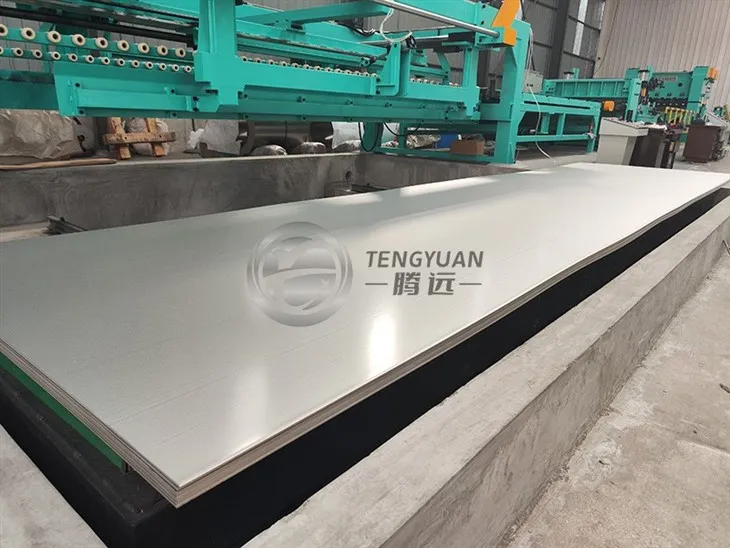

It's important to note that when comparing prices from different suppliers, quality should not be overlooked. A lower - priced product may not necessarily meet the required quality standards. Reputable suppliers invest in quality control measures throughout the manufacturing process to ensure that their GR1 Titanium Plates meet or exceed industry standards.
In the chemical industry, GR2 Titanium Plates for Chemical Industry are also popular. While GR1 and GR2 are both industrial pure titanium grades, GR2 has slightly higher strength due to a small amount of additional alloying elements. The cost of GR2 plates may be different from GR1 plates, depending on the specific requirements of the chemical process and the market availability of each grade.
In the shipbuilding industry, GR2 Titanium Plates for Ships are also used alongside GR1 plates. The choice between GR1 and GR2 often depends on the specific application within the ship, such as the location of the component and the expected environmental conditions.
If you are considering purchasing GR1 Titanium Plates, it is advisable to request detailed quotes from multiple suppliers. When evaluating these quotes, look beyond the price and consider factors such as the supplier's reputation, quality control measures, delivery time, and after - sales service. A reliable supplier should be able to provide you with comprehensive product information, including material certificates, test reports, and technical specifications.
In conclusion, the cost of GR1 Titanium Plates is a complex matter influenced by raw material, size, market dynamics, manufacturing processes, and surface finish requirements. As a supplier, I am committed to providing high - quality GR1 Titanium Plates at competitive prices. If you are interested in purchasing GR1 Titanium Plates for your specific application, I encourage you to reach out for a detailed discussion. We can work together to understand your requirements and provide you with the best possible solution.
References
- "Titanium and Titanium Alloys: Fundamentals and Applications" by J. C. Williams and E. W. Collings.
- Industry reports on titanium market trends and pricing.


